Biology
Showing 25–36 of 47 results
-
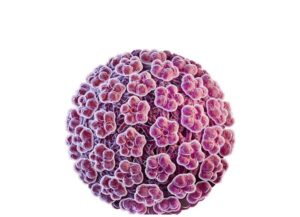
Human papillomavirus
24,50 € Add to basketHuman papillomavirus (HPV) is a common sexually transmitted
infection that can cause warts and cervical cancer, preventable with
vaccination and is detectable through screening.


-
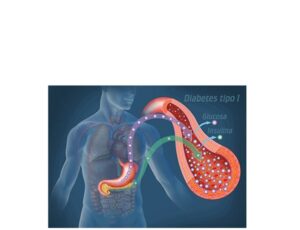
Illustration Type 1 Diabetes
24,50 € Add to basketType 1 diabetes. This illustration highlights the human figure,
the pancreas, and glucose particles to explain this chronic condition.
The representation shows the body’s inability to generate insulin,
which raises blood sugar levels and requires treatment with
injections or pumps. -
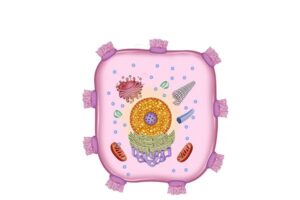
Keratinocyte cells
24,50 € Add to basketKeratinocytes are the main epidermal cells that produce
keratin and cytokines, maintaining skin barrier function,
immune defense, and regeneration. -
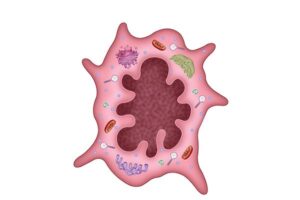
Langerhans cells
24,50 € Add to basketLangerhans cells are immune cells in the epidermis that
capture antigens and present them to lymphocytes, triggering
immune responses and protecting the body. -
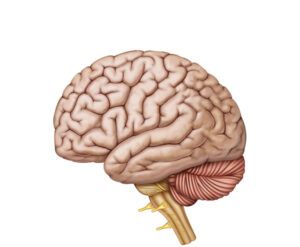
Lateral view of the brain
24,50 € Add to basketLateral view of the brain. This anatomical representation shows
the main sulci and lobes of the nervous system. The structure
includes the frontal, parietal, temporal, and occipital sectors. Each
area manages specific processes such as memory, sensory
perception, and cognition. -
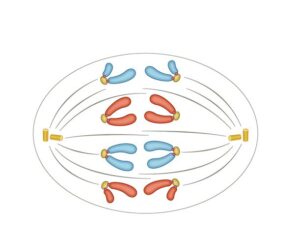
Meiosis cell division
24,50 € Add to basketMeiosis is a cell division process producing four haploid cells
through recombination and chromosome reduction, enabling
sexual reproduction and genetic diversity. -
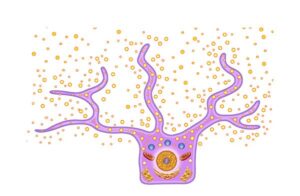
Melanocyte cell
24,50 € Add to basketThe melanocyte cell synthesizes melanin, the pigment responsible
for the coloration of the skin, hair, and eyes, and protects against
UV radiation through its distribution to epidermal keratinocytes.” -
Microsporum fungi
24,50 € Add to basketMicrosporum fungi are dermatophytes that infect skin, hair,
and nails, causing ringworm through keratin degradation and
spreading by direct or indirect contact. -
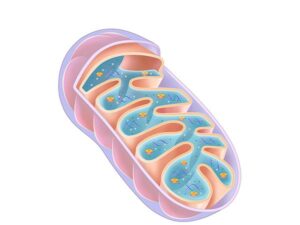
Mitochondria anatomy and physiology
24,50 € Add to basketLa mitocondria es un orgánulo con doble membrana que
produce ATP mediante la cadena respiratoria, siendo clave
en el metabolismo celular y la homeostasis energética. -
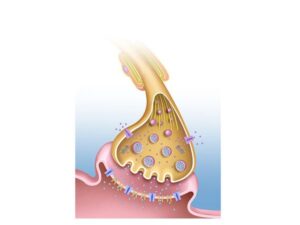
Neuronal synapse
24,50 € Add to basketNeuronal synapse is the connection between neurons
where neurotransmitters transmit signals across the
synaptic cleft, enabling nervous system communication. -
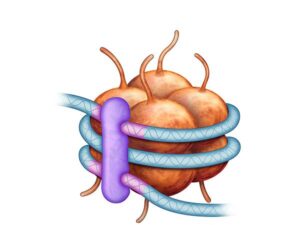
Nucleosome structure
24,50 € Add to basketThe nucleosome is the basic unit of chromatin, formed by
DNA wrapped around histones, enabling DNA compaction,
protection, and gene regulation. -
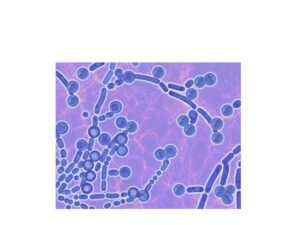
Pathogenic fungi
24,50 € Add to basketPathogenic fungi like Candida and Aspergillus cause infections
through hyphae and spores, affecting skin, organs, and respiratory
systems depending on immunity.