Cells
Showing 13–24 of 40 results
-
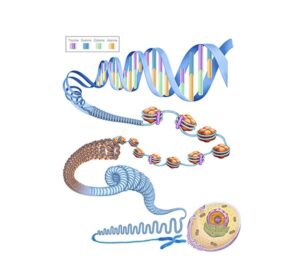
DNA structure and formation
24,50 € Add to basketDNA is a double helix molecule made of nucleotides, whose
replication ensures the accurate transmission of genetic
information between cells.


-
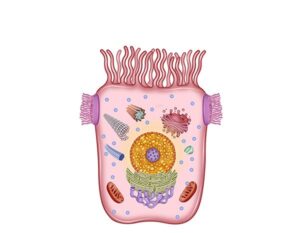
Enterocyte cells
24,50 € Add to basketEnterocyte cells are intestinal epithelial cells that absorb nutrients,
water, and electrolytes through microvilli, maintaining balance and
supporting body function. -
Epidermophyton floccosum fungi
24,50 € Add to basketEpidermophyton floccosum is an anthropophilic dermatophyte
that infects skin and nails, causing ringworm through keratin
degradation and contact transmission. -
Escherichia coli bacteria
24,50 € Add to basketEscherichia coli is a common intestinal bacterium, usually
harmless, but some strains cause foodborne infections with
severe gastrointestinal symptoms. -
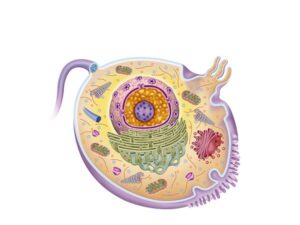
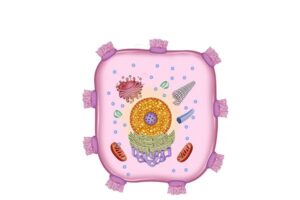
Eukaryotic cell anatomy
24,50 € Add to basketEukaryotic cells have a defined nucleus and organelles like
mitochondria and endoplasmic reticulum, enabling complex
functions and energy production. -
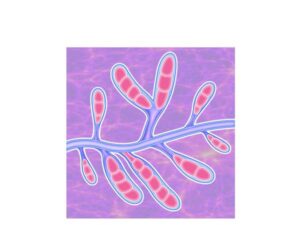
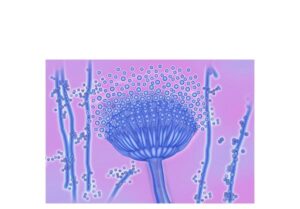
Filamentous Aspergillus
24,50 € Add to basketFilamentous Aspergillus is an opportunistic fungus with septate
hyphae that can cause lung infections and invasive disease, especially
in immunocompromised individuals. -
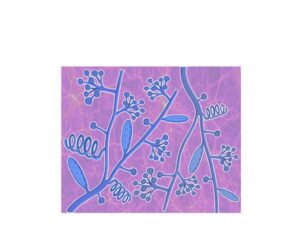
Filamentous dermatophyte fungi
24,50 € Add to basketFilamentous dermatophyte fungi degrade keratin and cause
infections like ringworm in skin, hair, and nails, spreading
through contact in humans and animals. -
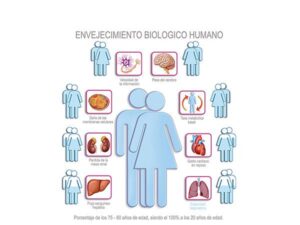
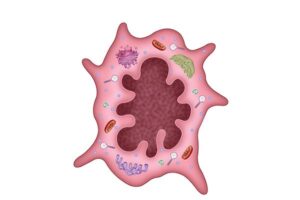
Human biological aging
24,50 € Add to basketHuman biological aging is a gradual process affecting cells
and tissues, increasing disease risk and reducing recovery
capacity over time. -
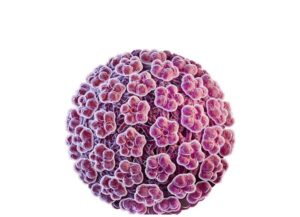
Human papillomavirus
24,50 € Add to basketHuman papillomavirus (HPV) is a common sexually transmitted
infection that can cause warts and cervical cancer, preventable with
vaccination and is detectable through screening. -
Keratinocyte cells
24,50 € Add to basketKeratinocytes are the main epidermal cells that produce
keratin and cytokines, maintaining skin barrier function,
immune defense, and regeneration. -
Langerhans cells
24,50 € Add to basketLangerhans cells are immune cells in the epidermis that
capture antigens and present them to lymphocytes, triggering
immune responses and protecting the body. -
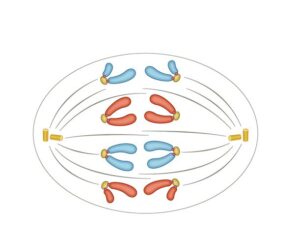
Meiosis cell division
24,50 € Add to basketMeiosis is a cell division process producing four haploid cells
through recombination and chromosome reduction, enabling
sexual reproduction and genetic diversity.