Cerebellum
Showing 13–24 of 91 results
-
Brain stem
24,50 € Add to basketThis illustration represents the brainstem. First,
it refers to the lower portion of the brain, which
connects the spinal cord with higher structures.


-
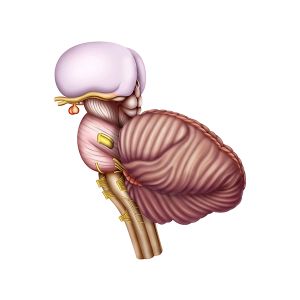
Brain stem and cerebellum
24,50 € Add to basketThe brainstem and cerebellum form the lower part
of the brain. First, the brainstem includes the medulla
oblongata, the pons, and the midbrain.
-
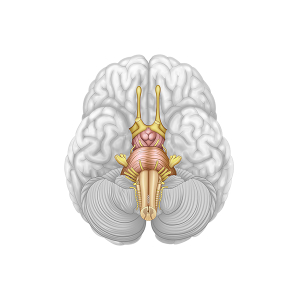
Brain stem bottom view
24,50 € Add to basketThe inferior view of the brainstem shows the lower
part of this crucial neural structure. First, it includes
the medulla oblongata, the pons, and the midbrain. -
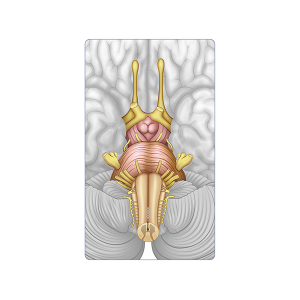
Brain stem bottom view
24,50 € Add to basketThe inferior view of the brainstem shows the lower
part of this crucial neural structure. First, it includes
the medulla oblongata, the pons, and the midbrain. -
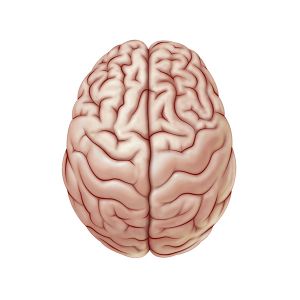
Brain top view
24,50 € Add to basketSuperior view of the brain. This illustration provides
a detailed view of the structures located in the upper
portion of the encephalon. From this perspective, the
gyri and sulci of the brain can be clearly observed. -
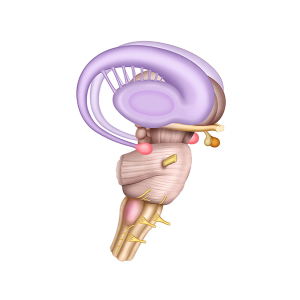
Brainstem and Basal Ganglion
24,50 € Add to basketRepresentation of the human head and the limbic
system shows the location of these structures
within the brain and key components such as the
hippocampus, amygdala, and hypothalamus. -
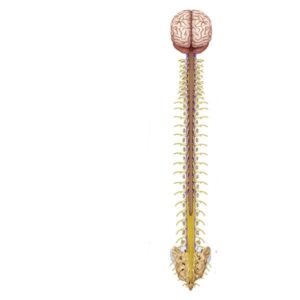
Central nervous branching
24,50 € Add to basketCentral nervous branching represents the extension of
nerves that originate from the central nervous system and
reach different regions of the body. The central nervous
system is composed of the brain and the spinal cord -
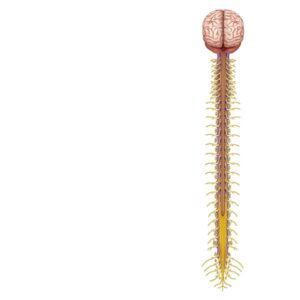
Central nervous system
24,50 € Add to basketThe central nervous system represents the extension of
nerves that originate from the central nervous system and
reach different regions of the body. The central nervous
system is composed of the brain and the spinal cord -
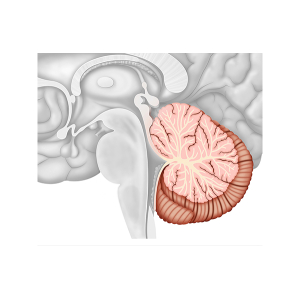
Cerebellum and brainstem
24,50 € Add to basketThe cerebellum and the brainstem are essential structures
of the central nervous system that play a crucial role in motor
coordination and balance. These structures are located at the
base of the brain.
-
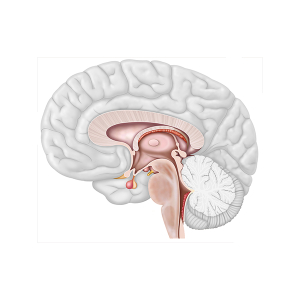
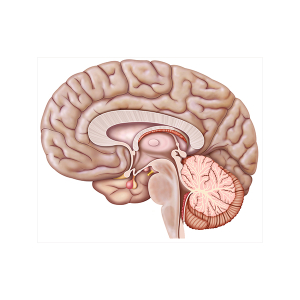
Cerebral sagittal section
24,50 € Add to basketIllustration of the sagittal section of the encephalon.
This view provides a detailed anatomical perspective
of the brain’s structure in profile, allowing observation
of the internal arrangement of its main components. -
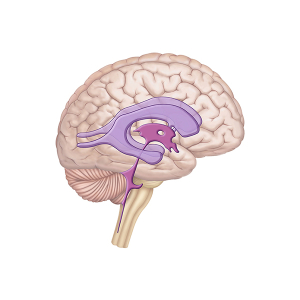
Cerebrospinal fluid
24,50 € Add to basketThis representation schematically illustrates cerebrospinal
fluid (CSF). First, it highlights the fundamental role of CSF
in protecting and nourishing the central nervous system. -
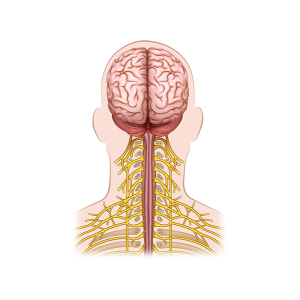
Cervical nerve branch
24,50 € Add to basketThe cervical nerve branch is the network of nerves
that originates in the spinal cord in the cervical
region of the spine. These nerves are distributed to
the neck, shoulders, and other nearby structures.