Female
Showing 13–24 of 57 results
-
The bladder cancer metastasis
24,50 € Add to basketBladder cancer metastasis is the spread of cancer cells to organs
such as lungs, bones, or lymph nodes. Moreover, it indicates advanced
disease. Diagnosis involves imaging and biopsy, and treatment includes
chemotherapy, immunotherapy, and targeted therapies.


-
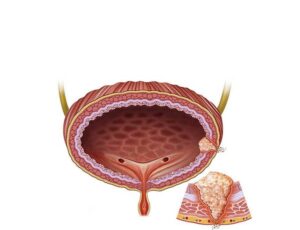
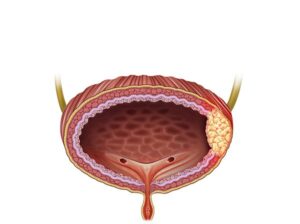
The bladder cancer tumor
24,50 € Add to basketBladder cancer tumor is a malignant growth in the bladder,
commonly transitional cell carcinoma. Moreover, it causes hematuria,
urinary changes, and pelvic pain. Diagnosis includes cystoscopy and
imaging, and treatment depends on tumor stage and progression. -
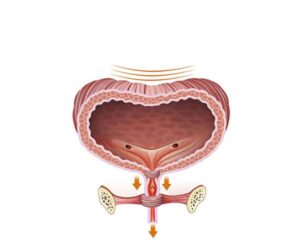
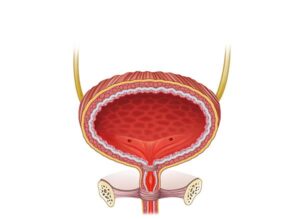
The bladder incontinence
24,50 € Add to basketBladder incontinence is the involuntary loss of urine due to impaired
bladder or urethral control. Moreover, it may result from muscle weakness,
nerve damage, or underlying conditions. Treatment includes exercises,
medications, or surgery, depending on the cause. -
The cystitis urinary infection
24,50 € Add to basketCystitis urinary infection, is a bacterial inflammation of the
bladder causing pain, urgency, and frequent urination. Moreover,
diagnosis is based on urine tests, and treatment includes antibiotics,
hydration, and symptom relief measures. -
The cystitis urinary infection
24,50 € Add to basketCystitis is a bacterial urinary infection that causes pain, urgency,
and frequent urination. Moreover, it is more common in women.
Diagnosis is based on urine tests, and treatment includes antibiotics
hydration, and symptom relief. -
The diabetic nephropathy
24,50 € Add to basketDiabetic nephropathy is a kidney complication caused by vascular
damage from high blood sugar. Moreover, it may lead to proteinuria,
edema, and kidney failure. Management includes glycemic control,
blood pressure regulation, and lifestyle changes. -
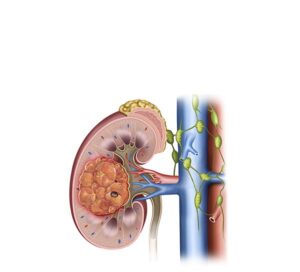
The early stage kidney cancer
24,50 € Add to basketEarly stage kidney cancer is a localized tumor confined to the
kidney without metastasis. Moreover, it may be asymptomatic or
cause mild hematuria. Diagnosis is imaging-based, and treatment
usually involves surgery, improving outcomes with early detection. -
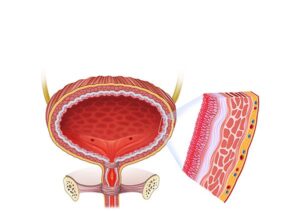
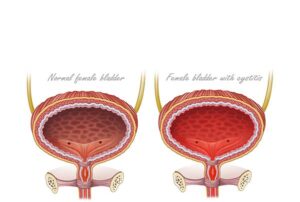
The female bladder with cystitis
24,50 € Add to basketFemale bladder with cystitis is bladder inflammation usually
caused by bacterial infection. Moreover, it leads to painful urination,
urgency, and frequency. Diagnosis is based on urine tests, and
treatment includes antibiotics and preventive measures. -
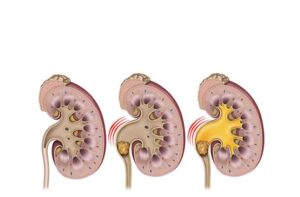
The grades of hydronephrosis
24,50 € Add to basketGrades of hydronephrosis indicate the severity of renal dilation
caused by urine accumulation. Moreover, they may be obstructive,
non-obstructive, or neonatal. Diagnosis is imaging-based, and treatment
depends on the cause to prevent progressive kidney damage. -
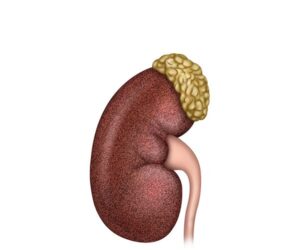
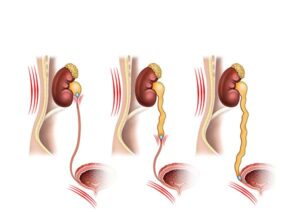
The hydronephrosis
24,50 € Add to basketHydronephrosis is the dilation of the kidney due to urine accumulation
caused by urinary obstruction. Moreover, it may result from stones, tumors,
or congenital anomalies. Diagnosis is imaging-based, and treatment
depends on the severity to prevent kidney damage. -
The inflammatory nephritis
24,50 € Add to basketInflammatory nephritis is kidney inflammation caused by infections
or autoimmune disorders. Moreover, it may lead to pain, fatigue, and
urinary changes. Treatment includes medication, dietary adjustments,
and control of underlying conditions to preserve kidney function. -
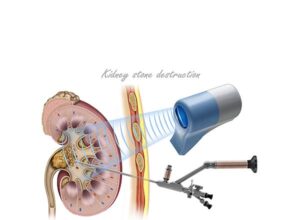
The kidney stone destruction
24,50 € Add to basketKidney stone destruction includes techniques such as lithotripsy,
ureteroscopy, and percutaneous nephrolithotomy to remove or fragment
stones. Moreover, treatment depends on size and location, relieving
symptoms and preventing complications.