Fertilization
Showing 13–24 of 33 results
-
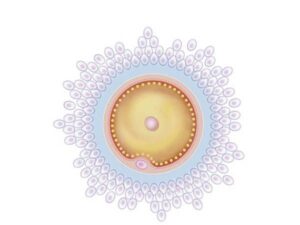
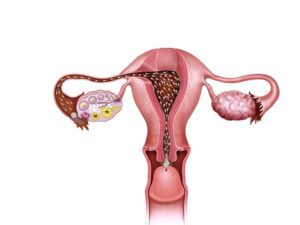
Fertilization of the ovum
24,50 € Add to basketFertilization of the ovum: a process where a sperm cell
unites with an egg in the fallopian tubes, forming a zygote
that divides into an embryo and implants in the uterus.


-
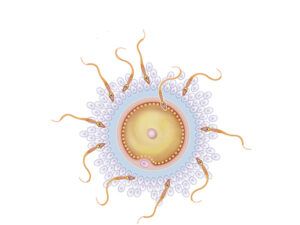
Fertilization of the ovum
24,50 € Add to basketFertilization of the ovum: union of sperm and egg in
the fallopian tubes form a zygote, which divides into
an embryo and implants in the uterus. -
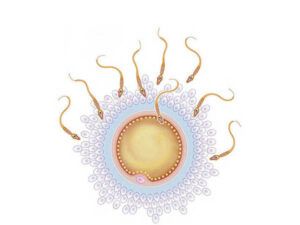
Fertilization of the ovum
24,50 € Add to basketFertilization of the ovum: a process where a sperm cell
unites with an egg in the fallopian tubes, forming a zygote
that develops into an embryo and implants in the uterus. -
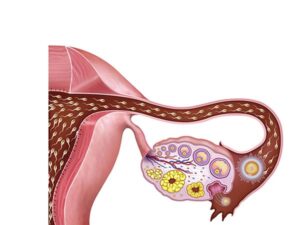
Human fertilization
24,50 € Add to basketHuman fertilization: a process where a sperm fertilizes an
egg in the fallopian tubes, forming a zygote that develops into
a blastocyst and implants in the uterus. -
Human sexual intercourse
24,50 € Add to basketHuman sexual intercourse: a process in which reproductive
organs enable sperm transfer into the female system, allowing
egg fertilization and the beginning of embryonic development. -
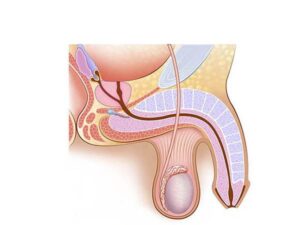
Male reproductive organs
24,50 € Add to basketMale reproductive organs include the testes, epididymis,
vas deferens, and accessory glands that produce, store,
and transport sperm, form semen, and enable ejaculation. -
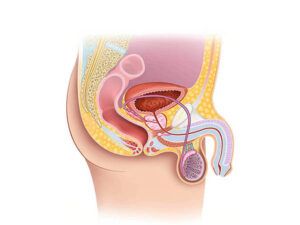
Male reproductive organs
24,50 € Add to basketMale reproductive organs: produces sperm in the testes,
matures them in the epididymis, transports them through
the vas deferens forms semen and expels it through the
urethra. -
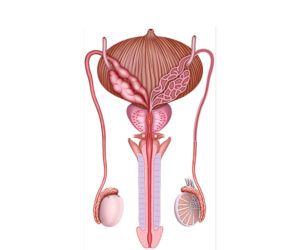
Male reproductive system
24,50 € Add to basketMale reproductive system: organs such as the testes,
epididymis, vas deferens, and urethra produce, store, and
transport sperm, form semen, and enable ejaculation. -
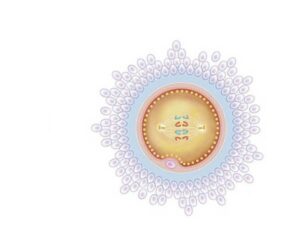
Meiosis and fertilization
24,50 € Add to basketMeiosis and fertilization: key processes where meiosis
produces haploid gametes, and fertilization restores
chromosome number, forming a zygote, and ensuring
genetic stability. -
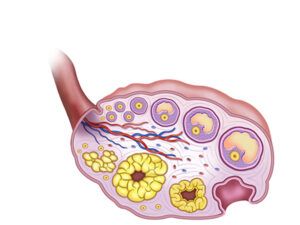
Ovary anatomy
24,50 € Add to basketOvary anatomy: pelvic organs containing follicles with
immature eggs, releasing an egg during ovulation, and
producing hormones such as estrogen and progesterone. -
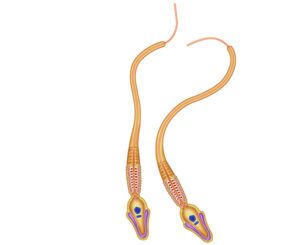
Sperm cell anatomy
24,50 € Add to basketSperm cell anatomy: a cell with a head containing DNA and an
acrosome, a midpiece with mitochondria, and a flagellated tail for
movement, produced in the testes and matured in the epididymis. -
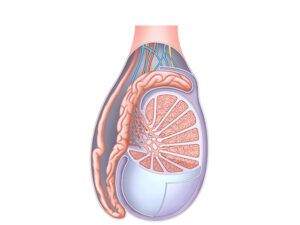
Testicular anatomy
24,50 € Add to basketTesticular anatomy: an organ in the scrotum that produces sperm
in seminiferous tubules and testosterone in Leydig cells, with the
epididymis is responsible for sperm maturation and transport.