Male
Showing 37–48 of 55 results
-
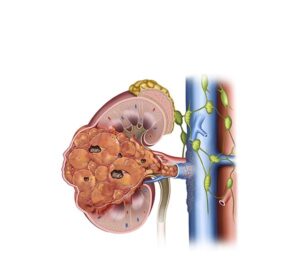
The stage 3 kidney cancer
24,50 € Add to basketStage 3 kidney cancer is a locally advanced tumor that invades nearby
tissues, lymph nodes, or blood vessels. Moreover, it may cause pain,
hematuria, and fatigue. Treatment includes surgery and systemic therapies
depending on the tumor extent.


-
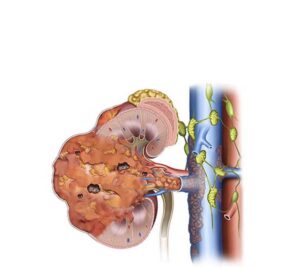
The stage 4 kidney cancer
24,50 € Add to basketStage 4 kidney cancer is an advanced stage where the tumor spreads
beyond the kidney to the lymph nodes and distant organs. Moreover, it
may cause pain, hematuria, and weight loss. Treatment includes targeted
therapy, immunotherapy, and sometimes surgery. -
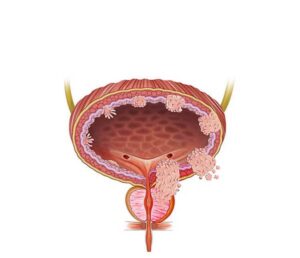
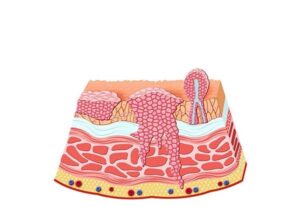
The stages of bladder cancer
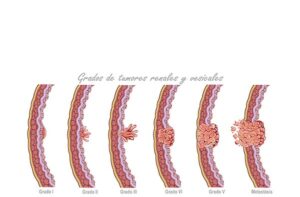
24,50 € Add to basketStages of bladder cancer describe tumor progression from
superficial layers to deep tissues and nearby organs. Moreover,
types include transitional and squamous cell carcinoma. Diagnosis
and treatment depend on the extent of invasion and tumor spread. -
The stages of bladder cancer
24,50 € Add to basketStages of bladder cancer describe tumor progression from
superficial layers to deep tissues and nearby organs. Moreover,
diagnosis includes cystoscopy and imaging. Treatment varies by
stage and may involve surgery, immunotherapy, or chemotherapy. -
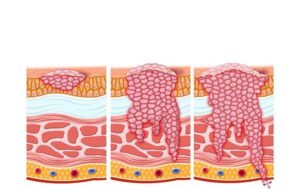
The stages of bladder tumor
24,50 € Add to basketStages of bladder tumor describe cancer progression from non
invasive disease to deep invasion and spread. Moreover, the diagnosis
includes cystoscopy and biopsy. Treatment varies by stage, ranging
from local therapies to surgery and systemic treatments. -
The stages of kidney cancer
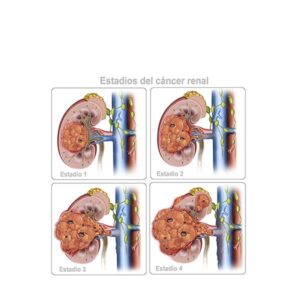
24,50 € Add to basketStages of kidney cancer describe tumor progression from localized
disease to spread into lymph nodes and distant organs. Moreover,
diagnosis involves imaging and biopsy. Treatment varies by stage and
includes surgery, immunotherapy, and systemic therapies. -
The testicular inflammation
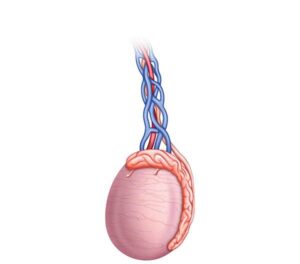
24,50 € Add to basketTesticular inflammation or orchitis is an inflammatory condition
caused by viral or bacterial infections. Moreover, it leads to pain,
swelling, and tenderness. Diagnosis is clinical and ultrasound-based,
and treatment includes rest, analgesics, and antibiotics when needed. -
The testicular spermatocele
24,50 € Add to basketTesticular spermatocele is a benign fluid-filled cyst that forms
in the epididymis. Moreover, it is usually painless and non-cancerous,
although it may cause discomfort. Diagnosis is clinical and ultrasound
based, and treatment is only needed if symptoms are present. -
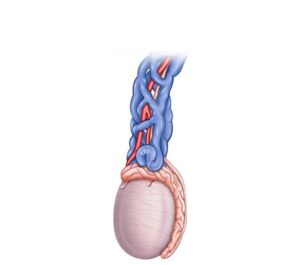
The testicular varicocele
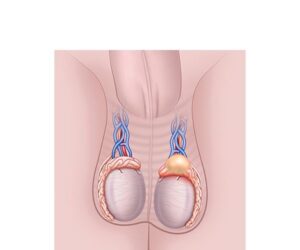
24,50 € Add to basketTesticular varicocele is an abnormal dilation of the pampiniform
plexus veins. It increases scrotal temperature and affects sperm quality.
Diagnosis is clinical and ultrasound-based, while treatment depends on
symptoms and fertility goals. -
The types of bladder cancer
24,50 € Add to basketTypes of bladder cancer include transitional cell carcinoma,
squamous cell carcinoma, and adenocarcinoma. Moreover, they vary
in aggressiveness and progression. Symptoms include hematuria and
urinary changes, and diagnosis involves cystoscopy and biopsy. -
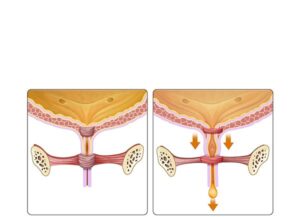
The types of urinary sphincters
24,50 € Add to basketThe types of urinary sphincters include the internal and the external.
responsible for regulating urine flow, the weakness of the external
sphincter reduces urethral resistance. Additionally, this facilitates the
involuntary release of urine. Its alteration can cause incontinence or
urinary retention. -
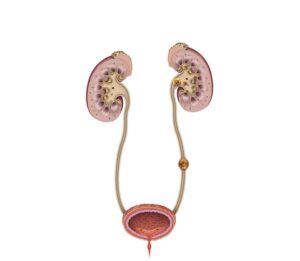
The ureteral stones
24,50 € Add to basketUreteral stones are solid deposits that form in the ureters and
may block urine flow. Moreover, they cause severe pain, nausea,
and hematuria. Diagnosis is imaging-based, and treatment ranges
from conservative management to surgical intervention.