Nephron
Showing 13–24 of 37 results
-
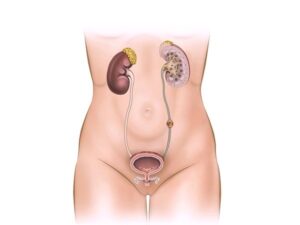
Female urinary system
24,50 € Add to basketThe female urinary system includes the kidneys, ureters,
bladder, and urethra. It filters blood, produces urine, and
allows its transport, storage, and elimination, maintaining
body balance.


-
Kidney anatomy
24,50 € Add to basketKidney anatomy describes bilateral bean-shaped organs
located in the retroperitoneum. They filter blood, produce
urine, and regulate fluid, electrolyte, and pH balance in
the body. -
Kidney anatomy and physiology
24,50 € Add to basketKidney anatomy and physiology explain its internal
structure and functions. They include filtration, urine
formation, and regulation of water, electrolytes, and
pH, along with adrenal gland activity. -
Kidney physiology
24,50 € Add to basketKidney physiology explains how these organs filter blood,
remove waste, and regulate water, electrolytes, and pH.
They also perform essential hormonal functions to maintain
body balance. -
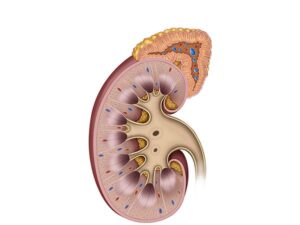
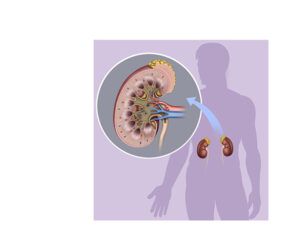
Kidney representation
24,50 € Add to basketThe kidney representation shows a sagittal section with
cortex, medulla, and renal pelvis. It helps understand
internal structure, filtration, urine formation, and fluid
regulation. -
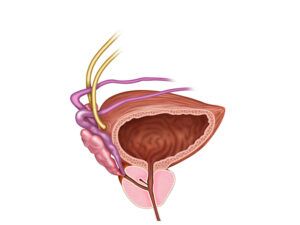
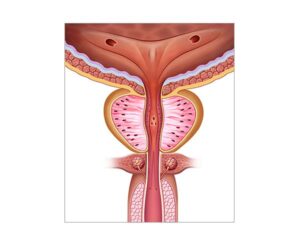
Lateral view of prostate and bladder
24,50 € Add to basketThe prostate lies below the bladder and surrounds the urethra.
It produces prostatic fluid that forms part of semen, while the
bladder stores and expels urine in the male urinary system. -
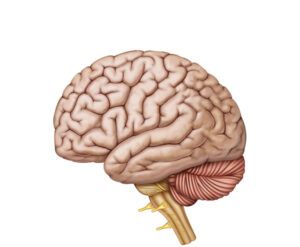
Lateral view of the brain
24,50 € Add to basketLateral view of the brain. This anatomical representation shows
the main sulci and lobes of the nervous system. The structure
includes the frontal, parietal, temporal, and occipital sectors. Each
area manages specific processes such as memory, sensory
perception, and cognition. -
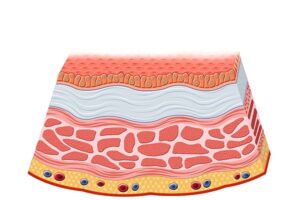
Layers of the bladder wall
24,50 € Add to basketThe bladder wall consists of mucosa, submucosa, detrusor
muscle, and serosa. These layers allow expansion, storage,
and contraction of the bladder during urination. -
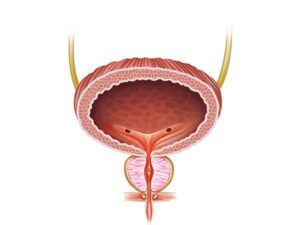
Male bladder anatomy.
24,50 € Add to basketThe male bladder is a hollow muscular organ in the
pelvis that stores urine. It is closely related to the
prostate, which surrounds the urethra and influences
urinary flow and function. -
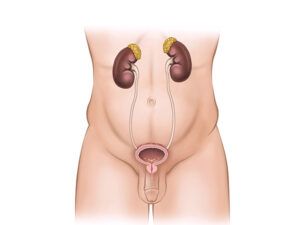
Male urinary system
24,50 € Add to basketThe male urinary system includes the kidneys, ureters,
bladder, and urethra. It filters blood, produces urine, and
allows its transport, storage, and elimination, maintaining
body balance. -
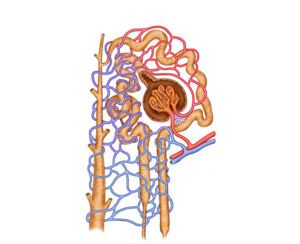
Nephron structure
24,50 € Add to basketThe nephron is the functional unit of the kidney. It filters blood
in the renal corpuscle and modifies the filtrate in the tubules,
reabsorbing nutrients and eliminating waste and excess fluids. -
Prostate physiology
24,50 € Add to basketThe prostate produces prostatic fluid, a key part of semen.
During ejaculation, it mixes with sperm, supporting their
mobility and contributing to male reproductive function.