Science
Showing 37–43 of 43 results
-
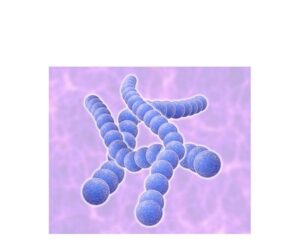
Streptococcus bacteria
24,50 € Add to basketStreptococcus bacteria show cells and tissues, explaining
transmission, respiratory infections, and antibiotic control
processes.


-
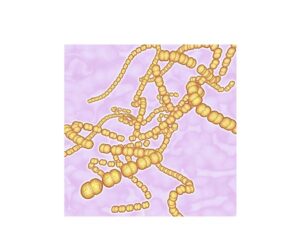
Streptococcus pyogenes bacteria
24,50 € Add to basketStreptococcus pyogenes is a Gram-positive bacterium causing
throat and skin infections, spreading through direct contact and
potentially leading to serious complications. -
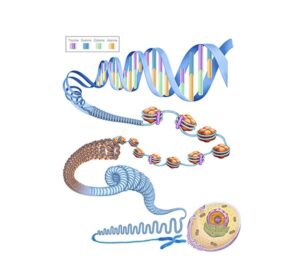
Structure and formation of DNA
24,50 € Add to basketStructure and formation of DNA. This double helix molecule
stores genetic information through sequences of nucleotides and
nitrogenous bases. Its enzymatic replication process allows the
precise transfer of the biological code during cell division for
inheritance purposes. -
Template (Copy)
24,50 € Add to basketMerkel cells are specialized skin mechanoreceptors located
in the epidermis, associated with nerve endings, enabling
detection of touch, pressure, and texture. -
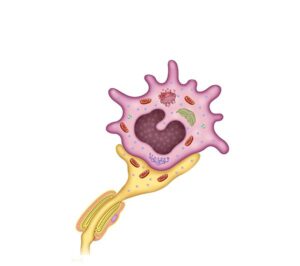
Template (Copy)
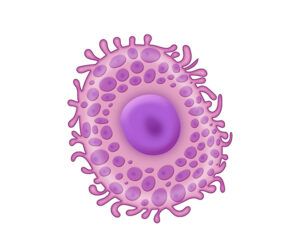
24,50 € Add to basketThe mast cell is an immune cell that releases histamine and
mediators, playing a key role in allergic reactions, inflammation,
and defense against pathogens. -
Trichophyton fungi
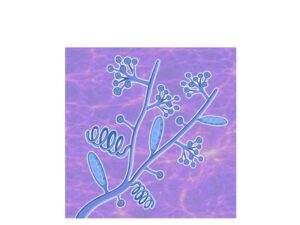
24,50 € Add to basketTrichophyton fungi are dermatophytes that infect skin, hair,
and nails, causing ringworm such as athlete’s foot through
keratin degradation and contact transmission. -
UV-induced DNA damage
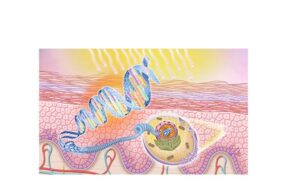
24,50 € Add to basketUV-induced DNA damage occurs when ultraviolet radiation
breaks molecular bonds, leading to mutations, cellular
dysfunction, and increased skin cancer risk.