Sexuality
Showing 25–34 of 34 results
-
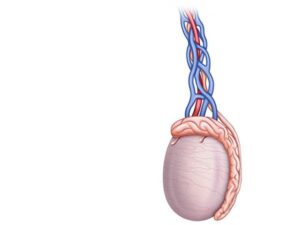
Testicular anatomy
24,50 € Add to basketTesticular anatomy: an organ in the scrotum that produces
sperm in the seminiferous tubules and testosterone in the Leydig
cells, with the epididymis is responsible for sperm maturation
and transport.


-
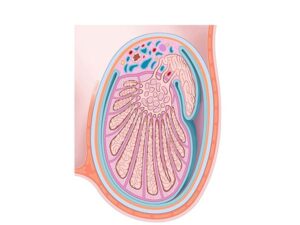
Testicular coronal plane
24,50 € Add to basketTesticular coronal plane: anatomical view showing
seminiferous tubules and Leydig cells, allowing analysis
of sperm production, testosterone secretion, and male
reproductive health. -
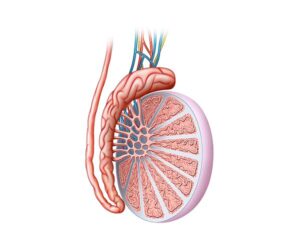
Testicular physiology
24,50 € Add to basketTesticular physiology: includes sperm production in
seminiferous tubules, testosterone secretion by Leydig
cells, and sperm maturation and transport through the
epididymis and vas deferens. -
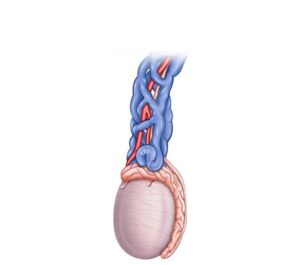
The testicular varicocele
24,50 € Add to basketTesticular varicocele is an abnormal dilation of the pampiniform
plexus veins. It increases scrotal temperature and affects sperm quality.
Diagnosis is clinical and ultrasound-based, while treatment depends on
symptoms and fertility goals. -
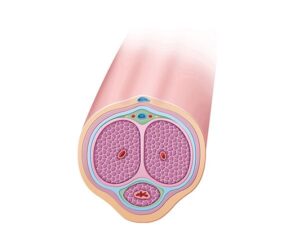
Transverse plane of the penis
24,50 € Add to basketTransverse plane of the penis. This visualization provides a
horizontal view of the male internal structures. The diagram includes
the corpora cavernosa and the corpus spongiosum. Furthermore, it
shows the urethra and connective tissues essential for erectile function
and urination. -
Uterine physiology
24,50 € Add to basketUterine physiology: hormonal processes regulating
the menstrual cycle, endometrial thickening, embryo
implantation, and menstruation when fertilization
does not occur. -
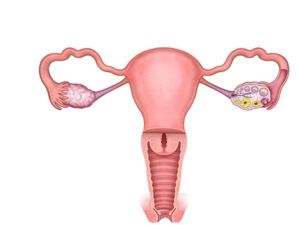
Uterine physiology
24,50 € Add to basketUterine physiology: organ composed of body, cervix, and isthmus
that regulates the menstrual cycle, enables implantation, supports
fetal development, and produces contractions during childbirth. -
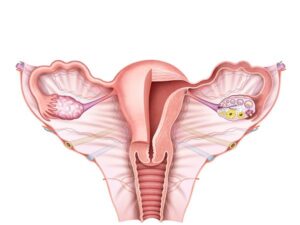
Uterine physiology
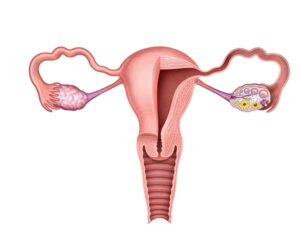
24,50 € Add to basketUterine physiology in section: shows internal layers like the
endometrium, along with the ovaries and tubes, explains
the menstrual cycle, implantation, and pregnancy development. -
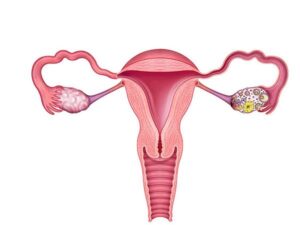
Uterus anatomy
24,50 € Add to basketUterus anatomy: a pear-shaped muscular organ in the pelvis
connected to the ovaries and fallopian tubes, with an endometrium
that thickens for implantation and supports pregnancy. -
Uterus and female abdomen
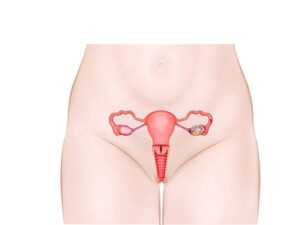
24,50 € Add to basketUterus in the female abdomen is a muscular organ located in
the pelvis, between the bladder and the rectum, is connected to
ovaries and fallopian tubes, where implantation and pregnancy
development occurs.