Adrenal
Showing 37–48 of 156 results
-
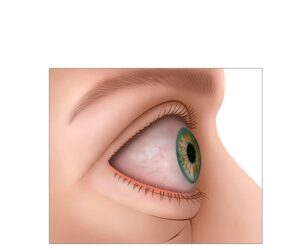
Eyes in hyperthyroidism
24,50 € Add to basketEyes in hyperthyroidism describe the ocular condition known
as Graves’ disease, characterized by ocular protrusion and dryness.
This disorder, caused by hormone excess, leads to irritation, double
vision, and aesthetic changes.


-
Fatigue due to hypothyroidism
24,50 € Add to basketFatigue due to hypothyroidism defines the persistent tiredness
caused by low thyroid hormone production and slow metabolism.
This autoimmune condition reduces cellular energy, affects sleep, and
causes a state of constant physical decay. -
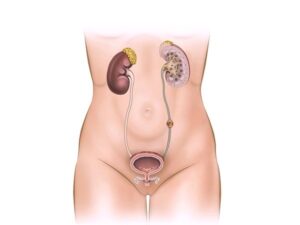
Female urinary system
24,50 € Add to basketThe female urinary system includes the kidneys, ureters,
bladder, and urethra. It filters blood, produces urine, and
allows its transport, storage, and elimination, maintaining
body balance. -
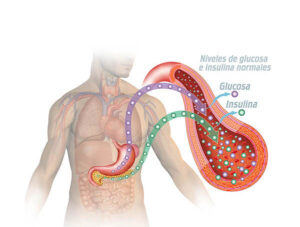
Glucose and insulin production
24,50 € Add to basketGlucose and insulin. This illustration details the metabolic process
in the human torso. Sugar particles move into the bloodstream after
digestion in the stomach. The pancreas releases the hormone needed to
regulate energy levels and maintain the body’s internal chemical balance. -
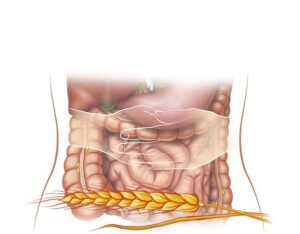
Gluten intolerance
24,50 € Add to basketGluten intolerance: an autoimmune disorder (celiac disease) in
which gluten inflames the small intestine and damages its lining.
This causes diarrhea, pain, and malabsorption of nutrients.
It requires a strict gluten-free diet. -
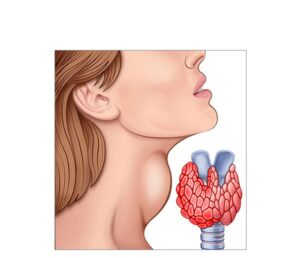
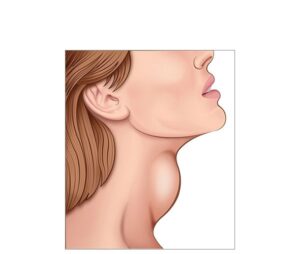
Goiter due to hypothyroidism
24,50 € Add to basketGoiter due to hypothyroidism describes the enlargement of the
thyroid gland as a compensatory response to the lack of hormones.
This condition, caused by an immune reaction, generates visible
swelling in the neck and slows down metabolism. -
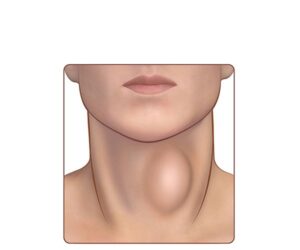
Goiter in hyperthyroidism
24,50 € Add to basketGoiter in hyperthyroidism describes the irregular growth of the
thyroid gland caused by hormonal excess and an immune reaction.
This condition manifests through visible physical changes in the neck
compared to a healthy thyroid. -
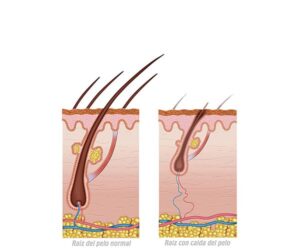
Hair loss due to hypothyroidism
24,50 € Add to basketHair loss due to hypothyroidism explains how hormonal deficiency
affects the hair follicle, forcing a premature resting phase. This condition
slows down hair growth and worsens scalp quality, requiring hormonal
replacement. -
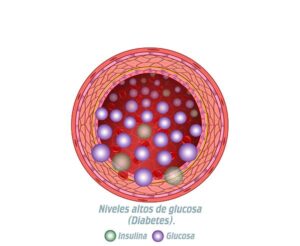
High levels of glucose
24,50 € Add to basketHigh levels of glucose: excessive accumulation of sugar in the
arteries due to a lack of insulin or hormonal resistance. This
hyperglycemic condition generates serious health risks, requiring
strict medical control in both type 1 and type 2 diabetes. -
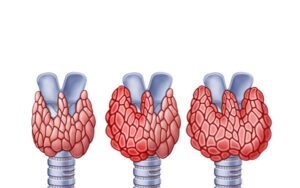
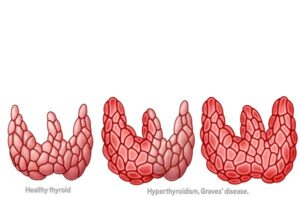
Hyperthyroidism and goiter
24,50 € Add to basketHyperthyroidism and goiter analyze the relationship between
excessive hormone production and irregular gland growth. The goiter
stands out as a physical manifestation that allows for visually
differentiating a healthy thyroid from an affected one. -
Hypertrophic thyroid
24,50 € Add to basketHypertrophic thyroid describes the goiter or enlargement of the
thyroid gland caused by hyperthyroidism. This condition results from
an abnormal immune response that generates excessive hormone
production and affects general metabolism. -
Hypertrophic thyroid gland
24,50 € Add to basketHypertrophic thyroid gland describes the goiter or irregular
growth caused by an anomalous immune response and hyperthyroidism.
This condition involves excessive hormone production that alters
metabolism and the appearance of the neck.