
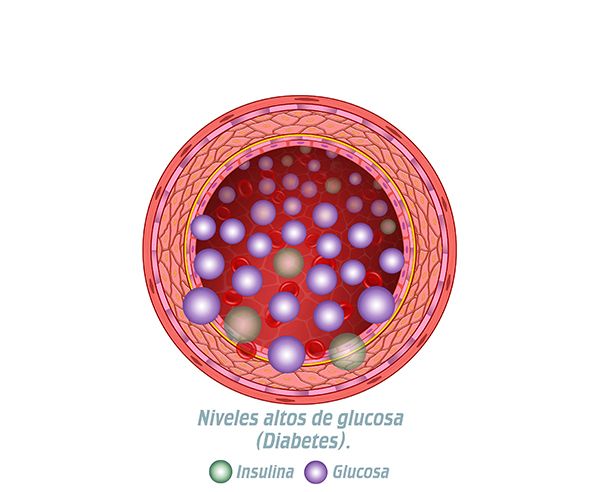



High levels of glucose represent a critical alert signal in the body, indicating a deep failure in cellular energy regulation. Firstly, it is necessary to highlight that this condition occurs when sugar remains in the bloodstream without being absorbed. Therefore, the lack of an effective response to insulin prevents cells from using the necessary fuel. Consequently, the illustration of an artery allows for the visualization of the excessive accumulation of sweet particles that dangerously saturate the main vessels.
Furthermore, the causes behind this phenomenon vary according to the type of metabolic pathology the patient presents. It is fundamental to note that type 1 diabetes involves the destruction of the cells that manufacture regulatory hormones. On the other hand, type 2 diabetes is closely linked to insulin resistance, where the body does not respond adequately. Consequently, the resulting hyperglycemia can cause serious complications in vital organs if not treated in time. Nevertheless, constant monitoring is a key tool for prevention.
Likewise, education about early symptoms helps patients seek medical assistance early and effectively. Therefore, maintaining healthy habits is essential to stabilize metabolic health and avoid structural damage to the arteries. Consequently, regular exercise and a balanced diet act as basic pillars to reduce the concentration of circulating sugar. In conclusion, understanding why niveles altos de glucosa occur is the first step toward successful and safe therapeutic management.
Finally, medical science has developed advanced technologies to measure these parameters with millimeter precision in real time. Therefore, current sensors allow for quick action in the face of any deviation from normal ranges. However, patient discipline remains the most determining factor in guaranteeing lasting well-being. In short, prevention and rigorous control are the best strategies against the long-term adverse effects of this chronic condition.