Renal
Showing 1–12 of 158 results
-
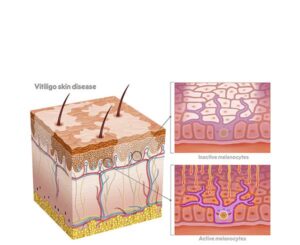
Addison and autoimmune vitiligo
24,50 € Add to basketAddison and autoimmune vitiligo: conditions where the immune
system attacks melanocytes and adrenal glands. This causes
white spots on the skin and hormonal deficiency. Treatment
seeks skin repigmentation and the replacement of vital
hormones to improve patient health.


-
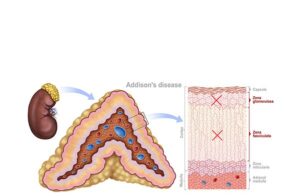
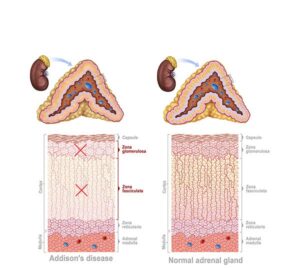
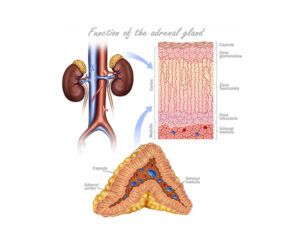
Addison’s adrenal disease
24,50 € Add to basketAddison’s adrenal disease: a disorder where the glands do not
produce enough cortisol and aldosterone. Damage to the glomerular
and fascicular zones, caused by the immune system, reduces hormonal
activity. It requires lifelong replacement treatment to avoid serious
metabolic crises. -
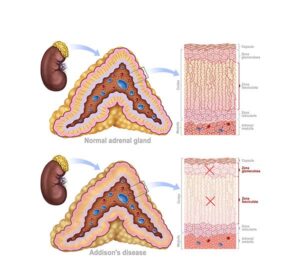
Addison’s adrenal insufficiency
24,50 € Add to basketAddison’s adrenal insufficiency: a disorder where the adrenal
cortex loses definition in its glomerular and fascicular zones. This
prevents cortisol and aldosterone production due to an immune
attack. It requires permanent hormonal treatment to avoid extreme
weakness and metabolic crises. -
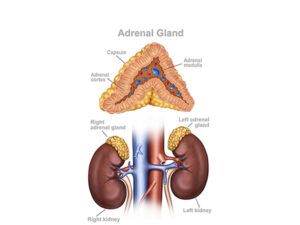
Adrenal gland anatomy
24,50 € Add to basketThe adrenal gland consists of the cortex and the medulla.
It produces hormones like cortisol, aldosterone, and adrenaline,
regulating metabolism, fluid balance, and the body’s response
to stress. -
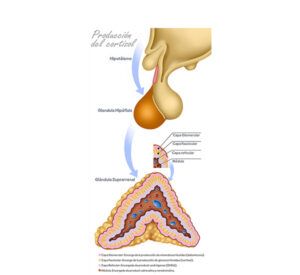
Adrenal gland and cortisol
24,50 € Add to basketThe adrenal gland produces cortisol in response to ACTH
from the pituitary. This hormone regulates metabolism,
blood pressure, and stress response, maintaining body
balance. -
Adrenal gland disorders
24,50 € Add to basketAdrenal gland disorders: conditions where the adrenal cortex loses
sharpness and functionality in the glomerular and fascicular zones. This
reduces cortisol and aldosterone production, usually due to immune
causes. It requires lifelong medical control and hormonal treatment. -
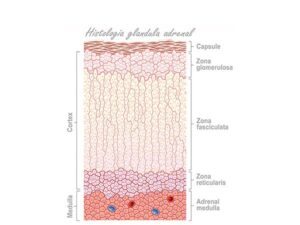
Adrenal gland histology
24,50 € Add to basketAdrenal gland histology studies its microscopic structure.
It includes the cortex and medulla, which produce steroid
hormones and catecholamines, regulating metabolism and
stress response. -
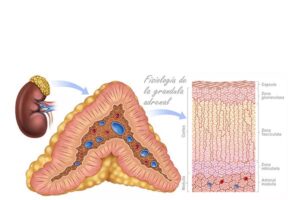
Adrenal gland physiology
24,50 € Add to basketAdrenal gland physiology regulates metabolism and blood
pressure. The cortex produces cortisol and aldosterone, while
the medulla secretes adrenaline for the stress response. -
Adrenal gland representation
24,50 € Add to basketThe adrenal gland sits above the kidneys and consists of
the cortex and medulla. It produces hormones like cortisol,
aldosterone, and adrenaline, regulating metabolism, fluids,
and stress response. -
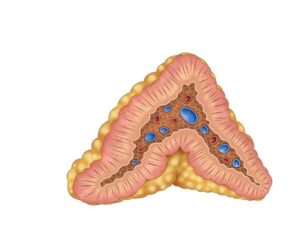
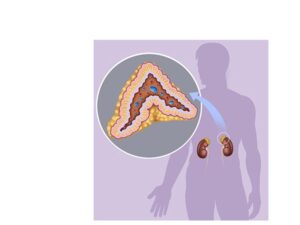
Adrenal gland representation
24,50 € Add to basketThe adrenal gland is shown in sagittal section, revealing
cortex and medulla. It produces hormones like cortisol,
aldosterone, and adrenaline, regulating metabolism, fluids,
and stress response. -
Adrenal glands and kidneys
24,50 € Add to basketKidneys and adrenal glands work together. Kidneys
filter blood and regulate fluids, while the adrenal glands
produce hormones like cortisol, aldosterone, and
adrenaline for body balance. -
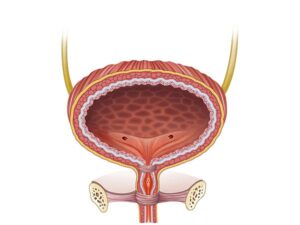
Anatomy of the Bladder
24,50 € Add to basketThe anatomy of the Bladder is a hollow muscular organ in the pelvis that stores urine. Supported by ligaments and connected to ureters and urethra, it allows controlled storage and elimination of urine.