Renal
Showing 145–156 of 158 results
-
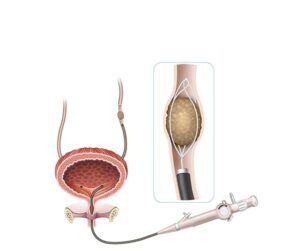
The ureteroscopy diagnosis
24,50 € Add to basketUreteroscopy diagnosis is a minimally invasive procedure used to
visualize and treat urinary stones. Moreover, it uses a thin endoscope
and laser techniques to fragment or remove stones, restoring urine flow
without open surgery.


-
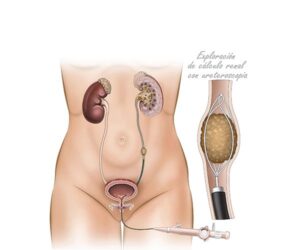
The ureteroscopy for ureteral stones
24,50 € Add to basketUreteroscopy for ureteral stones is a minimally invasive procedure
that allows direct visualization and treatment of stones in the ureter.
Moreover, it uses an endoscope and laser to fragment or remove stones,
restoring urine flow and relieving pain. -
The urinary incontinence
24,50 € Add to basketUrinary incontinence refers to involuntary urine leakage caused
by bladder or sphincter dysfunction. Moreover, it may coexist with
urinary retention. Diagnosis is clinical and functional, and treatment
includes exercises, medications, or surgery depending on the cause. -
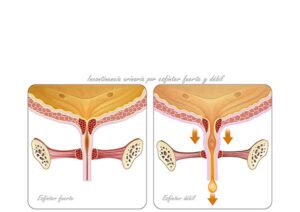
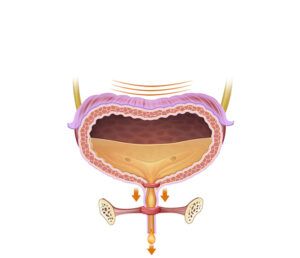
The weak bladder sphincter
24,50 € Add to basketWeak bladder sphincter causes involuntary urine leakage due
to urethral sphincter weakness. Moreover, it may result from aging
or previous surgeries. Treatment includes pelvic floor exercises,
lifestyle changes, and medical procedures or surgery in severe cases. -
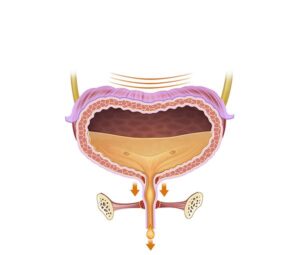
The weak sphincter incontinence
24,50 € Add to basketWeak sphincter incontinence is the involuntary leakage of
urine due to urethral sphincter weakness. Moreover, it may occur
during daily activities or effort. Treatment includes pelvic floor
exercises, lifestyle changes, and medical procedures in severe cases. -
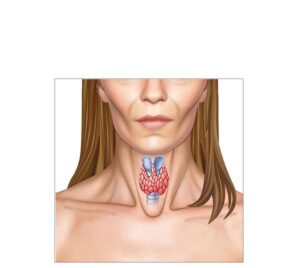
Thinness due to hyperthyroidism
24,50 € Add to basketThinness due to hyperthyroidism explains the involuntary
weight loss caused by an overactive thyroid gland. This autoimmune
condition accelerates metabolism, causing hormone excess that
makes maintaining a healthy weight difficult and alters facial
appearance. -
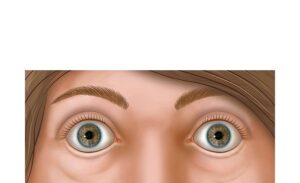
Thyroid ophthalmopathy
24,50 € Add to basketThyroid ophthalmopathy is an autoimmune disease that inflames
ocular fat and muscles, causing bulging eyes. This condition, linked to
hyperthyroidism, generates edema and visual changes that require a
precise medical diagnosis. -
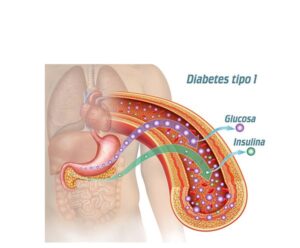
Type 1 diabetes
24,50 € Add to basketType 1 diabetes: an autoimmune disease where the pancreas does
not produce insulin. The body does not process glucose, affecting the
arteries and bloodstream. It requires diet, exercise, and medication
to permanently regulate sugar in children and adults with this chronic
condition. -
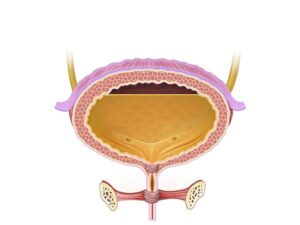
Urinary bladder anatomy
24,50 € Add to basketThe urinary bladder is a hollow muscular organ that
stores and expels urine. Located in the pelvis, it includes
the neck, body, and trigone, which regulate urine flow
and control urination. -
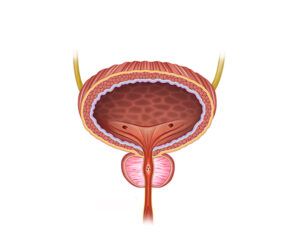
Urinary bladder and prostate
24,50 € Add to basketThe urinary bladder stores urine in the pelvis,
while the prostate surrounds the urethra and
produces prostatic fluid, influencing urination
and male reproductive function. -
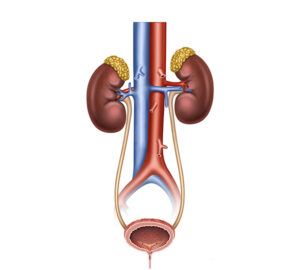
Urinary system anatomy
24,50 € Add to basketEs un hecho establecido hace demasiado tiempo que
un lector se distraerá con el contenido del texto de un
sitio mientras que mira su diseño. El punto de usar
Lorem Ipsum -
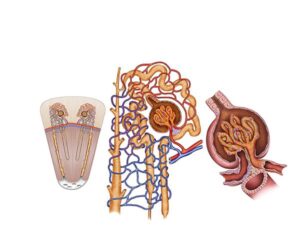
Urine formation diagram
24,50 € Add to basketUrine formation occurs in the kidney through filtration,
reabsorption, and secretion. The renal corpuscle and
tubules process blood, remove waste, and retain essential
substances.