Renal
Showing 109–120 of 158 results
-
The diabetic nephropathy
24,50 € Add to basketDiabetic nephropathy is a kidney complication caused by vascular
damage from high blood sugar. Moreover, it may lead to proteinuria,
edema, and kidney failure. Management includes glycemic control,
blood pressure regulation, and lifestyle changes.


-
The diaphragm muscle
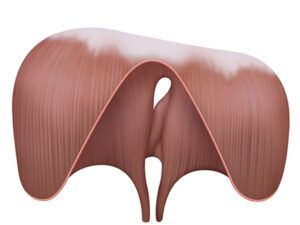
24,50 € Add to basketThe diaphragm muscle is a dome-shaped structure located under
the lungs. It separates the thoracic cavity from the abdominal cavity
and is essential for breathing. Its contraction allows air intake, and
its relaxation facilitates air expulsion during the biological
respiratory cycle. -
The early stage kidney cancer
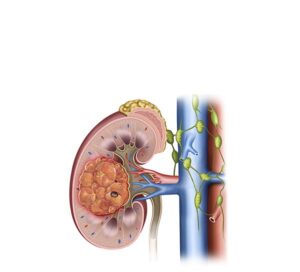
24,50 € Add to basketEarly stage kidney cancer is a localized tumor confined to the
kidney without metastasis. Moreover, it may be asymptomatic or
cause mild hematuria. Diagnosis is imaging-based, and treatment
usually involves surgery, improving outcomes with early detection. -
The female bladder with cystitis
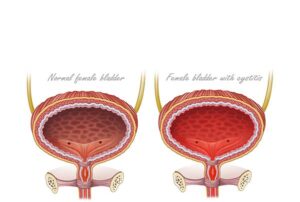
24,50 € Add to basketFemale bladder with cystitis is bladder inflammation usually
caused by bacterial infection. Moreover, it leads to painful urination,
urgency, and frequency. Diagnosis is based on urine tests, and
treatment includes antibiotics and preventive measures. -
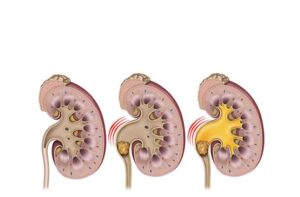
The grades of hydronephrosis
24,50 € Add to basketGrades of hydronephrosis indicate the severity of renal dilation
caused by urine accumulation. Moreover, they may be obstructive,
non-obstructive, or neonatal. Diagnosis is imaging-based, and treatment
depends on the cause to prevent progressive kidney damage. -
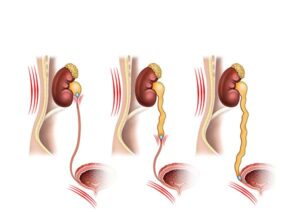
The hydronephrosis
24,50 € Add to basketHydronephrosis is the dilation of the kidney due to urine accumulation
caused by urinary obstruction. Moreover, it may result from stones, tumors,
or congenital anomalies. Diagnosis is imaging-based, and treatment
depends on the severity to prevent kidney damage. -
The inflammatory nephritis
24,50 € Add to basketInflammatory nephritis is kidney inflammation caused by infections
or autoimmune disorders. Moreover, it may lead to pain, fatigue, and
urinary changes. Treatment includes medication, dietary adjustments,
and control of underlying conditions to preserve kidney function. -
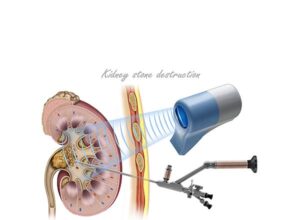
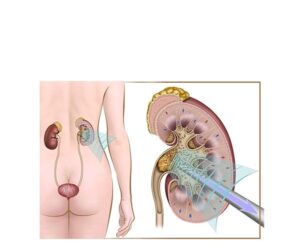
The kidney stone destruction
24,50 € Add to basketKidney stone destruction includes techniques such as lithotripsy,
ureteroscopy, and percutaneous nephrolithotomy to remove or fragment
stones. Moreover, treatment depends on size and location, relieving
symptoms and preventing complications. -
The kidney stone removal
24,50 € Add to basketKidney stone removal is a procedure to eliminate stones from
the kidney or ureter. Moreover, it may involve shock wave lithotripsy
or endoscopic techniques. It fragments stones and allows natural
elimination, reducing pain and urinary complications. -
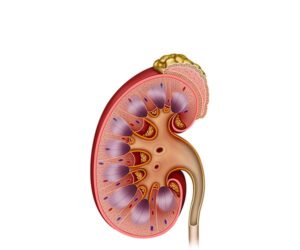
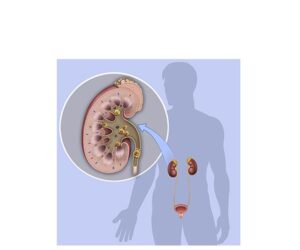
The kidney stones
24,50 € Add to basketKidney stones are solid deposits formed by minerals and salts in the
kidneys. Moreover, they can cause severe pain when moving through the
urinary tract. Risk factors include dehydration and diet, and prevention
involves proper hydration and healthy habits. -
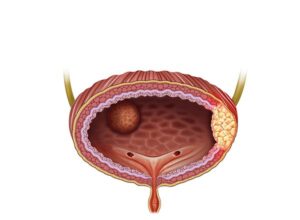
The malignant bladder tumors
24,50 € Add to basketMalignant bladder tumors are abnormal cell growths with invasive
and metastatic potential. Moreover, they may cause hematuria, urinary
changes, and pelvic pain. Diagnosis includes cystoscopy and biopsy, and
treatment depends on tumor stage and progression. -
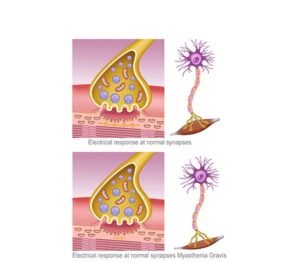
The neuromuscular junction of myasthenia
24,50 € Add to basketNeuromuscular junction of myasthenia defines the
communicative failure between nerves and muscles due to
autoimmune causes. Antibodies block acetylcholine receptors,
leading to severe fatigue and a very weakened muscular
response.