Addison
Showing 1–12 of 69 results
-
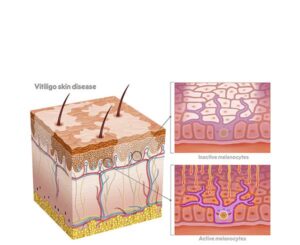
Addison and autoimmune vitiligo
24,50 € Add to basketAddison and autoimmune vitiligo: conditions where the immune
system attacks melanocytes and adrenal glands. This causes
white spots on the skin and hormonal deficiency. Treatment
seeks skin repigmentation and the replacement of vital
hormones to improve patient health.


-
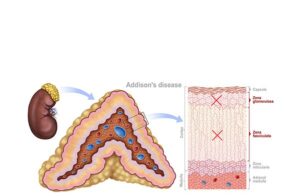
Addison’s adrenal disease
24,50 € Add to basketAddison’s adrenal disease: a disorder where the glands do not
produce enough cortisol and aldosterone. Damage to the glomerular
and fascicular zones, caused by the immune system, reduces hormonal
activity. It requires lifelong replacement treatment to avoid serious
metabolic crises. -
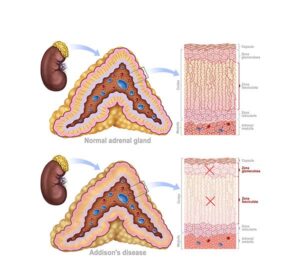
Addison’s adrenal insufficiency
24,50 € Add to basketAddison’s adrenal insufficiency: a disorder where the adrenal
cortex loses definition in its glomerular and fascicular zones. This
prevents cortisol and aldosterone production due to an immune
attack. It requires permanent hormonal treatment to avoid extreme
weakness and metabolic crises. -
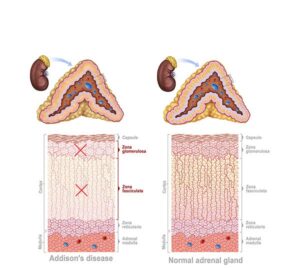
Adrenal gland disorders
24,50 € Add to basketAdrenal gland disorders: conditions where the adrenal cortex loses
sharpness and functionality in the glomerular and fascicular zones. This
reduces cortisol and aldosterone production, usually due to immune
causes. It requires lifelong medical control and hormonal treatment. -
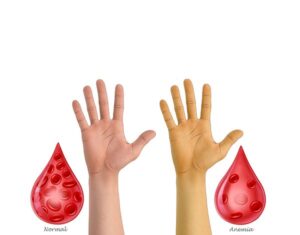
Anemia and skin color
24,50 € Add to basketAnemia and skin color: a condition where the lack of hemoglobin
reduces oxygen transport, causing pale or yellowish skin instead of
a healthy pink tone. It is a key sign of iron deficiency and requires
nutritional treatment -
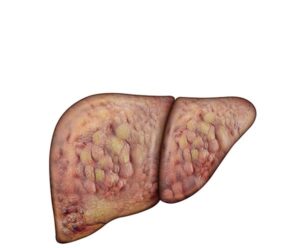
Autoimmune hepatitis and cirrhosis
24,50 € Add to basketAutoimmune hepatitis and cirrhosis describe how an immune
system attack inflames the liver until it causes irreversible scarring.
Immunosuppressive treatment is vital to stop progression toward
liver failure and cirrhosis. -
Autoimmune pernicious anemia
24,50 € Add to basketAutoimmune pernicious anemia: a disorder where the immune
system attacks stomach cells, preventing vitamin B12 absorption.
This causes ineffective red blood cells, fatigue, and neurological damage.
It requires lifelong B12 injection. -
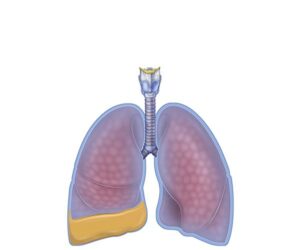
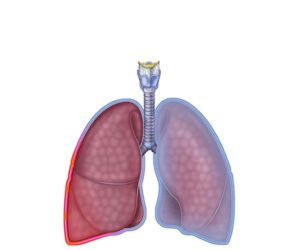
Autoimmune pleural effusion
24,50 € Add to basketAutoimmune pleural effusion is the accumulation of fluid between
the pleural layers caused by diseases such as lupus or rheumatoid
arthritis. This condition generates inflammation, chest pain, and
shortness of breath, requiring thoracentesis for analysis and accurate
diagnosis. -
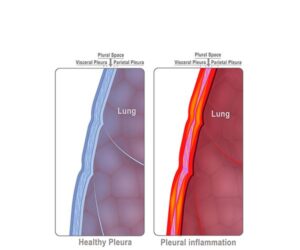
Autoimmune pleurisy
24,50 € Add to basketAutoimmune pleurisy is the inflammation of the pleural membrane
caused by diseases such as lupus or rheumatoid arthritis. It causes
sharp chest pain when breathing and moving, altering the normal
lubrication between the lungs and the chest cavity. -
Autoimmune pulmonary pleurisy
24,50 € Add to basketAutoimmune pulmonary pleurisy is an inflammation of the pleura
caused by the immune system’s attacks, frequently associated
with lupus. It causes sharp pain when breathing, a dry cough, and
can lead to pleural effusion that hinders oxygenation. -
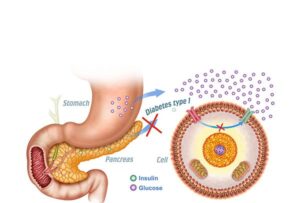
Autoimmune type 1 diabetes
24,50 € Add to basketAutoimmune type 1 diabetes: a disease where the pancreas does
not produce insulin due to an immune system attack. The lack of this
hormone prevents glucose from entering the cells, raising blood sugar.
It requires treatment with diet, exercise, and permanent medication. -
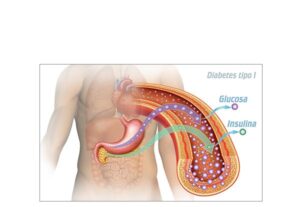
Autoimmune type 1 diabetes
24,50 € Add to basketAutoimmune type 1 diabetes: a disorder where the immune system
destroys pancreatic cells. This prevents insulin production, affecting
glucose flow in the artery. Treatment requires diet, exercise, and medical
control to regulate sugar in the bloodstream permanently.