Anatomy
Showing 661–672 of 678 results
-
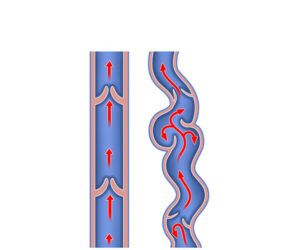
Varicose veins diagram
24,50 € Add to basketVaricose veins diagram compares a healthy vein and a damaged
one, showing blood reflux, pooling, vein dilation, and symptoms
such as pain, swelling, and heaviness.


-
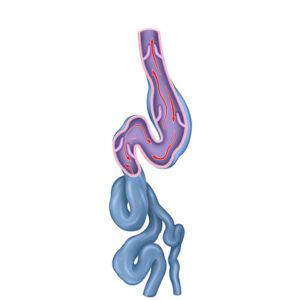
Varicose veins representation
24,50 € Add to basketVaricose veins representation shows dilated veins caused by
valve failure, leading to blood pooling, swelling, pain, and
visible skin changes associated with venous insufficiency. -
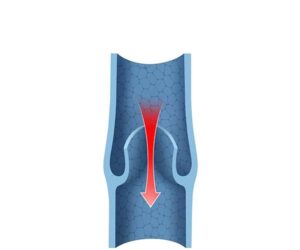
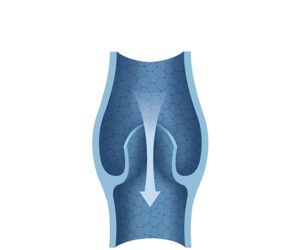
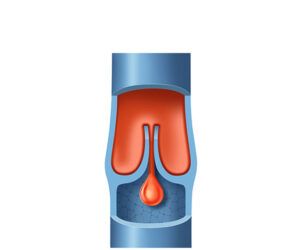
Varicose venous valve
24,50 € Add to basketVaricose venous valve. Valvular dysfunction that allows
blood reflux, causing blood accumulation, venous dilation
and symptoms such as pain, inflammation, and heaviness
in the legs. -
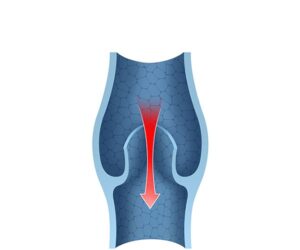
Varicose venous valves
24,50 € Add to basketVaricose venous valves show valve dysfunction, causing blood
reflux, vein dilation, and symptoms such as swelling, pain, and
heaviness linked to venous insufficiency. -
Vein with varicose valve
24,50 € Add to basketVein with varicose valve dysfunction shows failed venous valves
causing blood reflux, vein dilation, and symptoms like heaviness
and swelling linked to venous insufficiency. -
Venous valvular insufficiency
24,50 € Add to basketVenous valve insufficiency. Valvular dysfunction that allows
blood reflux, causing blood accumulation, venous dilation, and
symptoms such as pain, inflammation, and heaviness in the legs. -
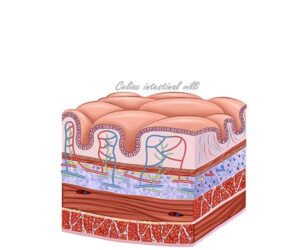
Villous atrophy in celiac disease
24,50 € Add to basketVillous atrophy in celiac disease is the damage of intestinal villi
caused by gluten. This reduces nutrient absorption, leads to digestive
symptoms like diarrhea and fatigue, and may cause nutritional
deficiencies without proper dietary treatment. -
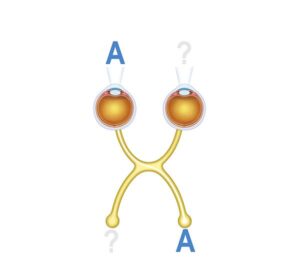
Visual amblyopia
24,50 € Add to basketVisual amblyopia, also known as “lazy eye“, is a condition in which
one eye does not develop properly during childhood. May result in
reduced vision in that eye, even with optical correction. -
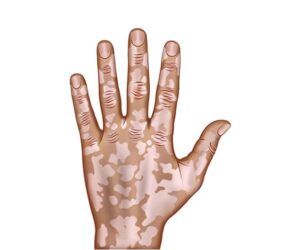
Vitiligo skin depigmentation
24,50 € Add to basketVitiligo skin depigmentation. This illustration details the loss of
melanocytes that cause white patches on the skin. The content explains
the autoimmune and genetic causes of this non-contagious condition,
highlighting the importance of medical treatment and psychological
support. -
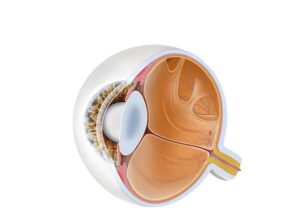
Vitreous detachment
24,50 € Add to basketVitreous detachment shows how the vitreous gel, which fills the
eye cavity, separates from the retina. As we age, the vitreous can
become more liquid and gradually separate from the retina, which
can cause flashes of light or the perception of floaters. -
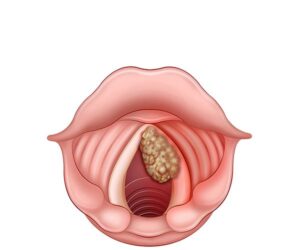
Vocal cord cancer
24,50 € Add to basketVocal cord cancer has an altered general function in phonation.
In addition, under normal conditions, the vocal cords vibrate to
produce sound. The larynx also regulates the passage of air. -
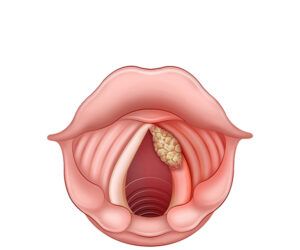
Vocal cord carcinoma
24,50 € Add to basketThe vocal cord carcinoma has an altered function in phonation.
Moreover, under normal conditions, vocal cords vibrate to produce
sound. Additionally, the larynx regulates airflow. Furthermore, it
ensures respiratory and vocal functions.