Anatomy
Showing 1–12 of 678 results
-
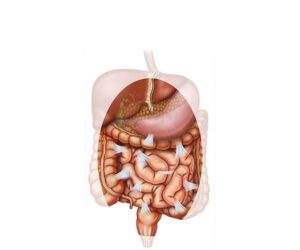
Abdominal adhesions
24,50 € Add to basketAbdominal adhesions are bands of scar tissue that bind organs in the
abdominal cavity. They can appear after surgeries. or inflammation,
hinder bowel movement, and cause pain, digestive disorders, or
obstructions if not treated properly.


-
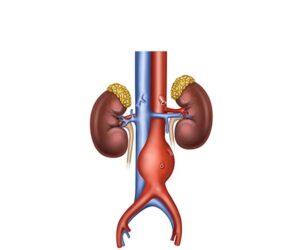
Abdominal aortic aneurysm
24,50 € Add to basketAn aneurysm of the abdominal aorta is an abnormal dilation of
the main artery of the abdomen, which commonly occurs in risk
factors of risks such as smoking, hypertension, and family history.
They are usually asymptomatic until they grow or break -
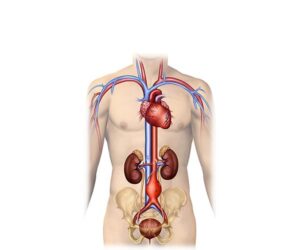
Abdominal aortic aneurysm
24,50 € Add to basketAn abdominal aortic aneurysm is a bulge in the main artery that
supplies blood to the body. If it grows too large, it can rupture and
cause life-threatening internal bleeding, often requiring monitoring
or surgery. -
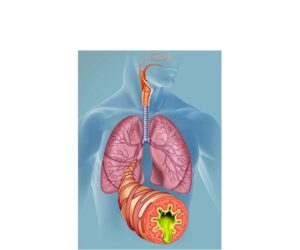
Acute bronchitis
24,50 € Add to basketAcute bronchitis. Inflammation of the bronchi generally
caused by viral infections, which produce cough, mucus, and
respiratory difficulty, being a common condition after
colds or flu. -
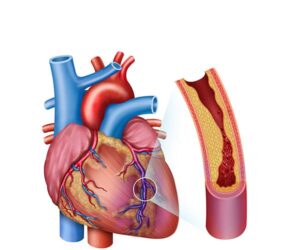
Acute myocardial infarction
24,50 € Add to basketThe acute myocardial infarction has an altered function in myocardial
perfusion. Moreover, under normal conditions, the coronary arteries
supply oxygenated blood. Additionally, the heart maintains systemic
circulation. -
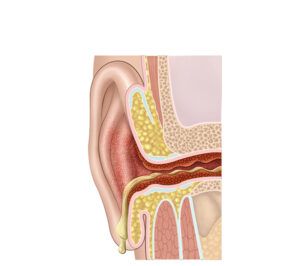
Acute otitis externa
24,50 € Add to basketThe acute otitis externa has an altered function in hearing conduction.
Moreover, under normal conditions, the ear canal protects the inner ear.
Additionally, earwax acts as a natural barrier. -
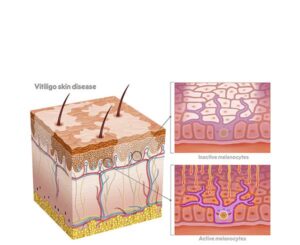
Addison and autoimmune vitiligo
24,50 € Add to basketAddison and autoimmune vitiligo: conditions where the immune
system attacks melanocytes and adrenal glands. This causes
white spots on the skin and hormonal deficiency. Treatment
seeks skin repigmentation and the replacement of vital
hormones to improve patient health. -
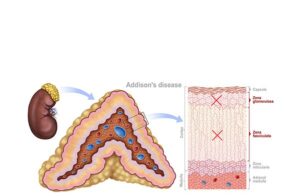
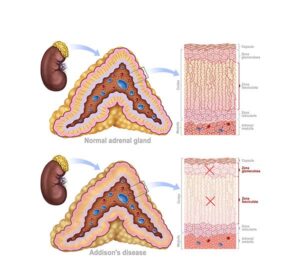
Addison’s adrenal disease
24,50 € Add to basketAddison’s adrenal disease: a disorder where the glands do not
produce enough cortisol and aldosterone. Damage to the glomerular
and fascicular zones, caused by the immune system, reduces hormonal
activity. It requires lifelong replacement treatment to avoid serious
metabolic crises. -
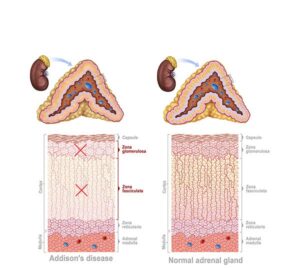
Addison’s adrenal insufficiency
24,50 € Add to basketAddison’s adrenal insufficiency: a disorder where the adrenal
cortex loses definition in its glomerular and fascicular zones. This
prevents cortisol and aldosterone production due to an immune
attack. It requires permanent hormonal treatment to avoid extreme
weakness and metabolic crises. -
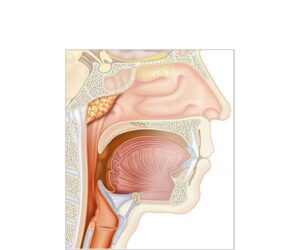
Adenoid hypertrophy
24,50 € Add to basketThe adenoid hypertrophy has an altered function in nasal
breathing. Moreover, under normal conditions, adenoids
contribute to the immune response. Additionally, they help
protect against infections. -
Adrenal gland disorders
24,50 € Add to basketAdrenal gland disorders: conditions where the adrenal cortex loses
sharpness and functionality in the glomerular and fascicular zones. This
reduces cortisol and aldosterone production, usually due to immune
causes. It requires lifelong medical control and hormonal treatment. -
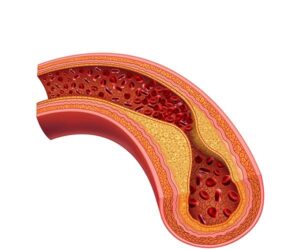
Advanced arteriosclerosis
24,50 € Add to basketAdvanced arteriosclerosis is a severe stage with extensive plaque
buildup that significantly reduces blood flow and increases the risk
of heart attack, stroke, and serious cardiovascular complications.