Anatomy
Showing 37–48 of 678 results
-
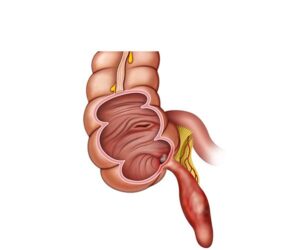
Appendicitis inflammation
24,50 € Add to basketAppendicitis inflammation. Acute inflammation of the appendix
caused by obstruction or infection, which causes abdominal pain,
fever, and nausea, requiring surgery to avoid complications such
as rupture.


-
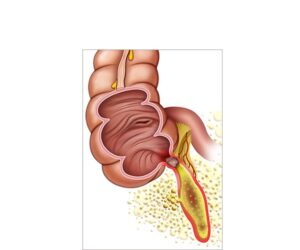
Appendix rupture
24,50 € Add to basketAppendicitis rupture. Serious complication where the appendix
inflamed perforates, releasing bacteria into the abdomen and causing
peritonitis, requiring urgent surgery to avoid life-threatening risks. -
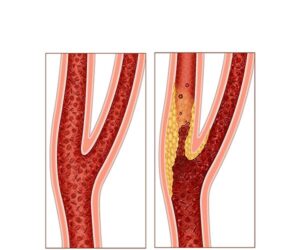
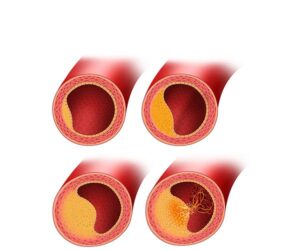
Arteries and atherosclerosis
24,50 € Add to basketArteries and atherosclerosis. Comparison between a healthy artery
and another with fatty and cholesterol plaques that reduce blood flow.
increased risk of stroke and cardiovascular disease, highlighting the
importance of prevention. -
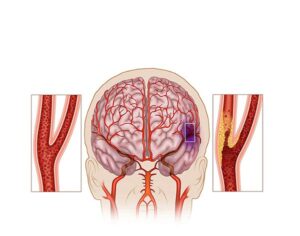
Arteriosclerosis
24,50 € Add to basketArteriosclerosis. A disease characterized by hardening and narrowing
of the arteries due to fatty and cholesterol plaques, which reduces blood
flow and increases the risk of heart attack, cerebrovascular accident, and
other cardiovascular complications. -
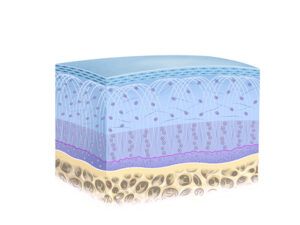
Articular cartilage structure
24,50 € Add to basketStructure of articular cartilage. It is a strong and elastic connective
tissue that covers the articular surfaces of bones in joints. It consists
of chondrocytes and extracellular matrix, providing cushioning and
facilitating smooth gliding of the joints. -
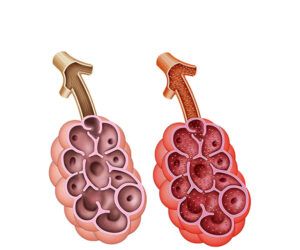
Aspergillosis
24,50 € Add to basketAspergillosis is a fungal infection affecting the alveoli, caused by
Aspergillus spores. It leads to inflammation, impaired gas exchange,
and respiratory symptoms, especially in weakened immune systems. -
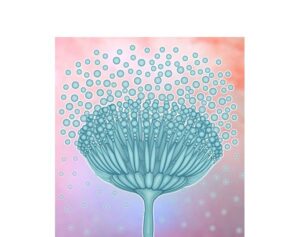
Aspergillus fungus
24,50 € Add to basketAspergillus is a common mold whose inhaled spores
can cause lung infections, especially in people with
weakened immune systems. -
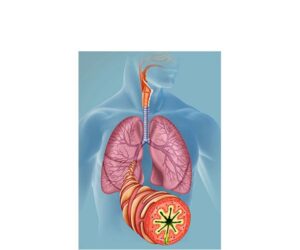
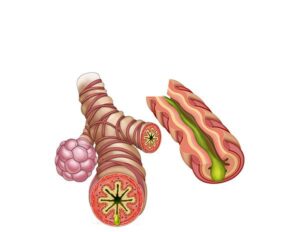
Asthmatic airways
24,50 € Add to basketAsthmatic airways. It represents the narrowing of the bronchial
due to inflammation and excess mucus, causing difficulty
respiratory, wheezing, and cough, characteristic of asthma, a
chronic disease that affects airflow. -
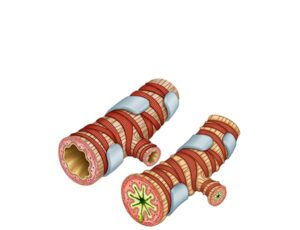
Asthmatic bronchi
24,50 € Add to basketAsthmatic bronchi present inflammation, mucus, and
muscle contraction. The bronchi are ducts that allow
the passage of air to the lungs. These changes narrow the
airways and make it difficult to flow air and breathe. -
Asthmatic bronchiolism
24,50 € Add to basketAsthmatic bronchiolitis shows inflammation, mucus, and
muscle contraction in the bronchioles. These small ducts
are essential for the passage of air to the alveoli. This narrows
the airways and makes it difficult for air to flow. -
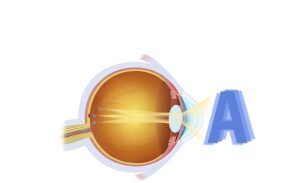
Astigmatism vision
24,50 € Add to basketAstigmatism affects vision. People with astigmatism see things
blurry and distorted, and have trouble focusing both up close and
far away. Glasses, contact lenses, and refractive procedures like
laser surgery can correct astigmatism. -
Atherogenic plaque rupture
24,50 € Add to basketAtherogenic plaque rupture is a critical event where a fatty plaque
breaks, forming a clot that blocks blood flow and increases the risk
of heart attack and stroke, requiring urgent medical care.