Anatomy
Showing 73–84 of 678 results
-
Body tremor in Parkinson’s disease
24,50 € Add to basketThe body tremor in Parkinson’s disease has an altered function
in motor control. Moreover, under normal conditions, dopamine
regulates voluntary movements. Additionally, it allows smooth
and coordinated execution.


-
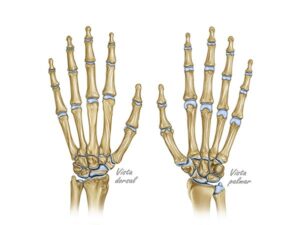
Bone anatomy of the hand
24,50 € Add to basketBone anatomy of the hand. This image shows both the palm and
the back of the hand. It illustrates the complex bone structure,
which includes the metacarpals, phalanges, and carpal bones. The
metacarpals form the base of the fingers, while the phalanges
make up the fingers themselves. -
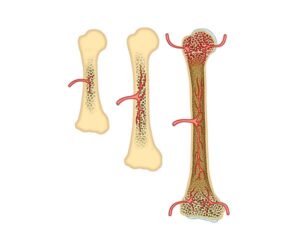
Bone growth and development
24,50 € Add to basketBone growth. This dynamic, regulated process in which bones
increase in length and thickness. In the growth zones, known as
growth plates or epiphyses, cartilage cells divide and transform
into bone tissue. -
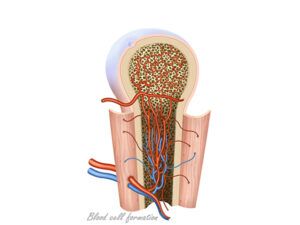
Bone marrow hematopoiesis
24,50 € Add to basketBone marrow hematopoiesis. The vital process of blood cell
formation in the bone marrow. This soft tissue, located inside
the bones, produces stem cells that differentiate into red blood
cells, white blood cells, and platelets. -
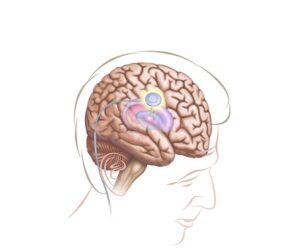
Brain stimulator in Parkinson’s disease
24,50 € Add to basketThe brain stimulator in Parkinson’s disease has a therapeutic
function in controlling motor symptoms. Moreover, under normal
conditions, dopamine regulates voluntary movement. -
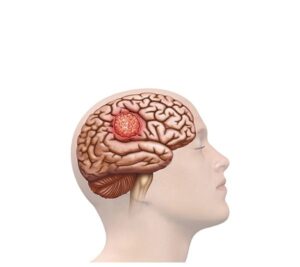
Brain tumor
24,50 € Add to basketBrain tumor. This anatomical illustration details the location and
growth of a malignant tumor within the brain. The content highlights
the importance of this visual resource for clinical diagnosis, medical
education, and effective communication regarding the severity of the
pathology. -
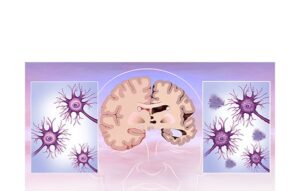
Brain with Alzheimer’s disease
24,50 € Add to basketThe brain with Alzheimer‘s. In this representation, the cerebral
hemispheres are compared between a healthy brain and another
neuron, beta-amyloid plaques affected by Alzheimer’s, the
neurofibrillary tangles of tau, and the cerebral cortex. -
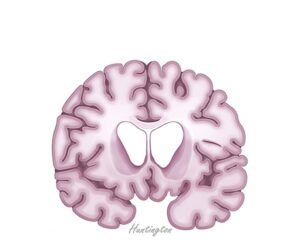
Brain with Huntington’s disease
24,50 € Add to basketThe brain with Huntington’s disease has an altered function in
the nervous system. Moreover, under normal conditions, neurons
maintain efficient communication. Additionally, they support motor
control and cognitive functions. -
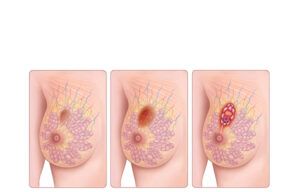
Breast cancer stages
24,50 € Add to basketStages of breast cancer. Progression from localized tumor to
metastasis, where the cells spread to the lymph nodes and
organs, increasing the severity and affecting the clinical prognosis. -
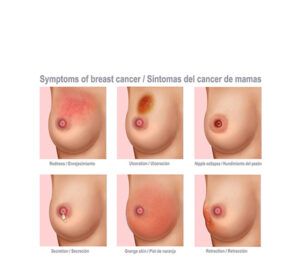
Breast cancer symptoms
24,50 € Add to basketSymptoms of breast cancer. They include lumps, changes in size
or shape of the breast, skin changes, discharge, and pain, being
key signs for early detection and timely medical evaluation. -
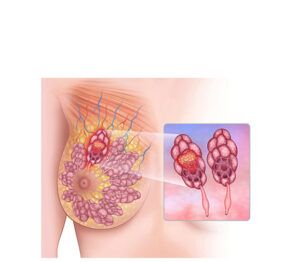
Breast lobular tumor
24,50 € Add to basketLobular breast tumor. Comparison between the healthy lobe and
affected, showing the tumor mass that can be benign or malignant,
with structural changes and risk of tissue invasion. -
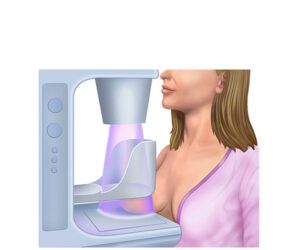
Breast mammography
24,50 € Add to basketBreast mammography. Radiological study that allows for
detecting lesions, masses, and microcalcifications in the breast
tissue, facilitating the early diagnosis of cancer and improving
the clinical prognosis.