Anatomy
Showing 97–108 of 678 results
-
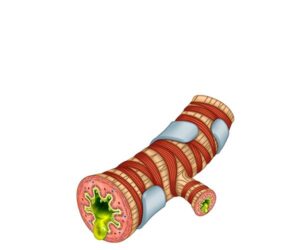
Bronchus with bronchitis
24,50 € Add to basketThe bronchus with bronchitis presents inflammation, excess
mucus, and muscle contraction. The bronchus with bronchitis
shows structural changes that affect airflow. This narrows the
airways and makes breathing difficult.


-
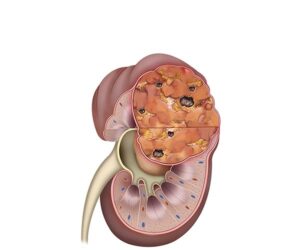
Cancerous kidney tumor
24,50 € Add to basketCancerous kidney tumor. This representation details the
development of malignant cells in the adult renal system. The text
addresses main symptoms such as hematuria and abdominal
pain. It also presents the genetic and environmental risk factors
that influence the overall prognosis -
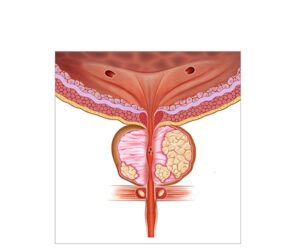
Cancerous prostate
24,50 € Add to basketCancerous prostate is a common malignant tumor in older men
caused by uncontrolled prostate cell growth. Moreover, it may cause
urinary symptoms and spread to other organs. Diagnosis includes PSA
testing and biopsy, while treatment depends on stage and progression. -
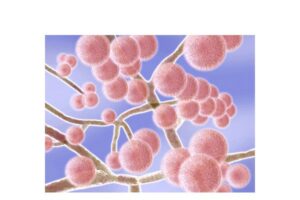
Candida auris fungus
24,50 € Add to basketCandida auris is an emerging multidrug-resistant fungus
causing severe infections, especially in healthcare settings
and immunocompromised patients. -
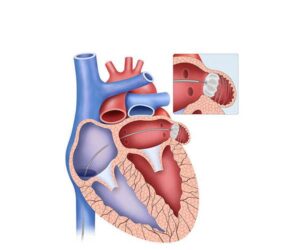
Cardiac atrial appendage
24,50 € Add to basketThe cardiac atrial appendage has a general function related to
atrial dynamics. Moreover, under normal conditions, it may
contribute to left atrial contraction. Additionally, it may act as
a temporary blood reservoir. -
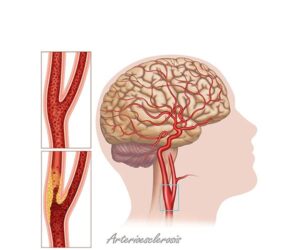
Carotid arteriosclerosis
24,50 € Add to basketCarotid arteriosclerosis. Diseases where cholesterol plaques narrow
the carotid artery, reducing the flow to the brain and increasing the
risk of stroke and cardiovascular complications. Prevention with
healthy habits is key. -
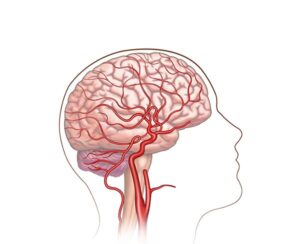
Carotid artery branching
24,50 € Add to basketCarotid artery branching. This illustration represents the division
of the artery into its internal and external branches. The diagram
shows how the internal branch irrigates the brain while the external
one supplies blood to the neck and face, ensuring blood flow and
oxygen supply. -
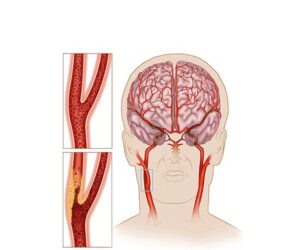
Carotid artery stenosis
24,50 € Add to basketCarotid artery stenosis. Narrowing of the main artery that carries blood to
the brain by the accumulation of plaques, reducing the blood supply flow
and increasing the risk of stroke, requiring timely diagnosis and treatment. -
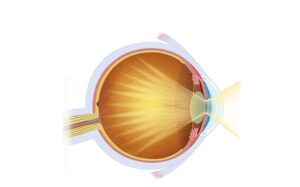
Cataract focusing
24,50 € Add to basketThe cataract focuses. This is affected when the lens, the eye’s
natural lens, becomes cloudy. Cataracts can blur vision, cause hazy
sight, and impair the ability to focus properly. -
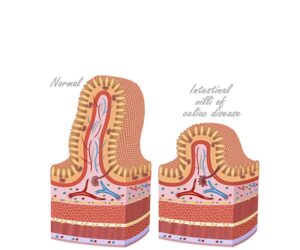
Celiac and healthy villi
24,50 € Add to basketThe healthy and celiac villi compare normal intestinal structures
with those damaged by gluten. This alteration reduces the absorption
of nutrients, causes digestive symptoms, and can lead to deficiencies
nutritional deficiencies if a strict gluten-free diet is not followed -
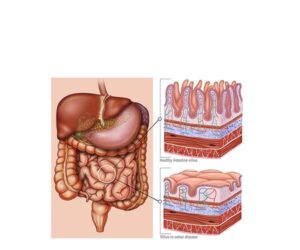
Celiac disease
24,50 € Add to basketCeliac disease is an autoimmune disorder in which gluten
damages the intestinal villi. This reduces the absorption
of nutrients and causes digestive symptoms and nutritional
deficiencies. -
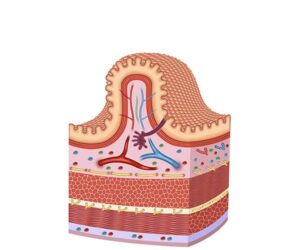
Celiac disease autoimmune disorder
24,50 € Add to basketCeliac disease is an autoimmune disorder in which gluten damages
the intestinal villi. This reduces the absorption of nutrients, causes
digestive symptoms such as diarrhea and abdominal pain, and can
cause nutritional deficiencies if not treated with a gluten-free diet.