Anatomy
Showing 109–120 of 678 results
-
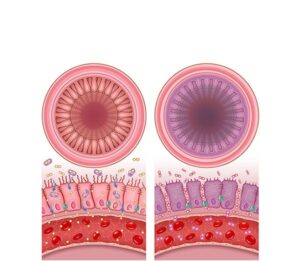
Celiac intestinal disease
24,50 € Add to basketCeliac intestinal disease: an autoimmune disorder where gluten
causes atrophy of the small intestine villi. This prevents nutrient
absorption and generates fatigue, diarrhea, and weight loss. The only
effective treatment is a lifelong gluten-free diet.


-
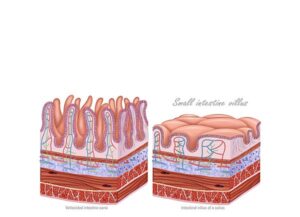
Celiac intestinal villus
24,50 € Add to basketThe celiac intestinal villi show damage from gluten in celiac disease.
This alteration reduces the absorption of nutrients, causing digestive
symptoms, and can lead to deficiencies nutritional deficiencies if a
gluten-free diet is not followed. -
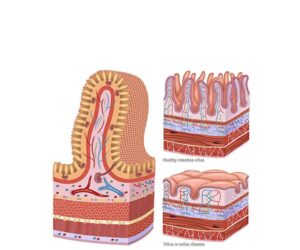
Celiac intestinal villus
24,50 € Add to basketCeliac intestinal villi show damage in the villi. by gluten.
This reduces nutrient absorption, causes digestive symptoms,
and can cause nutritional deficiencies if a gluten-free diet is
not followed. -
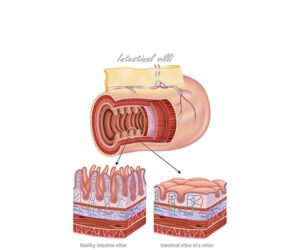
Celiac villi
24,50 € Add to basketCeliac villi are structures of the small intestine
damaged by gluten in celiac disease. This alteration
reduces nutrient absorption, causes digestive symptoms
and can cause nutritional deficiencies if not treated
adequately. -
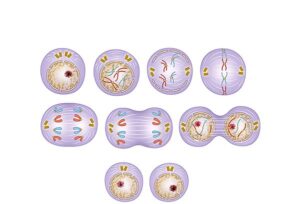
Cell division process
24,50 € Add to basketCell division through meiosis produces four haploid cells
with genetic variation via recombination and chromosome
reduction. -
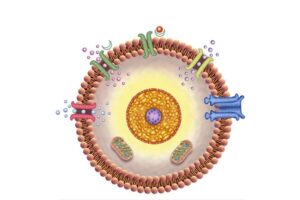
Cellular receptors
24,50 € Add to basketCellular receptors are proteins that detect signals and
trigger specific responses, regulating communication
and cellular activity. -
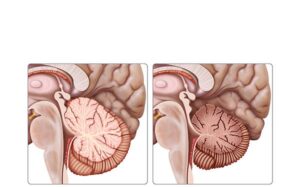
Cerebellar hypoplasia
24,50 € Add to basketThe cerebellar hypoplasia has an altered function in motor control.
Moreover, under normal conditions, the cerebellum regulates
coordination and balance. Additionally, it allows precise and smooth
movements. Furthermore, it maintains body stability. -
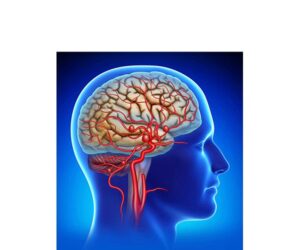
Cerebral aneurysms
24,50 € Add to basketA brain aneurysm is a weak bulge in the wall of an artery in the
brain. If it grows, it can rupture and cause severe bleeding. He
often has no symptoms until he is detected in tests or it breaks. -
Cerebral aneurysms
24,50 € Add to basketCerebral aneurysms are bulges in the blood vessels in the brain
that can rupture and cause a stroke. Many have no symptoms,
but early detection and their detection and treatment are vital to
avoid serious neurological damage. -
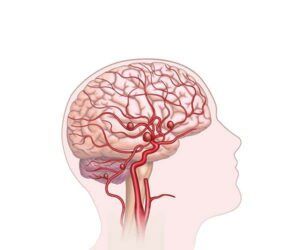
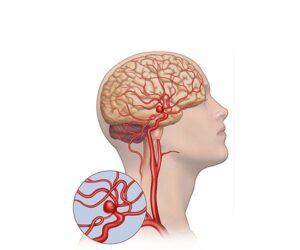
Cerebral arterial aneurysm
24,50 € Add to basketA cerebral arterial aneurysm, this is a dilation in a cerebral
blood vessel similar to a balloon. Your breakup is an emergency,
a medical condition known as a hemorrhagic stroke. The control
of blood pressure is key to preventing complications. -
Cerebral arterial aneurysm
24,50 € Add to basketCerebral arterial aneurysm. Detailed medical illustration of a
human head, where weakened bulges in the artery are visualized.
This condition shows how vessels fill with blood, pressing on
surrounding tissue and creating a high risk of severe hemorrhage
in the patient. -
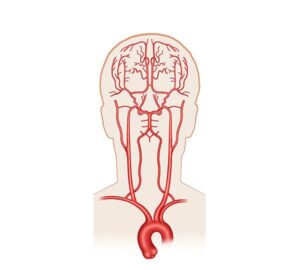
Cerebral arterial irrigation
24,50 € Add to basketCerebral arterial irrigation. This illustration describes the supply
of oxygen-rich blood through the main arteries to the brain. The
diagram shows how the internal carotids and vertebrals nourish the
tissue, being a vital process for maintaining healthy neurological function.