Brain
Showing 49–60 of 90 results
-
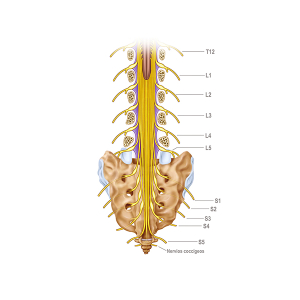
Lumbar and sacral nerves
24,50 € Add to basketThe lumbar and sacral nerves originate in the
spinal cord of the lumbar region of the spine and
are part of the peripheral nervous system. They play
a crucial role in transmitting signals between the
central nervous system


-
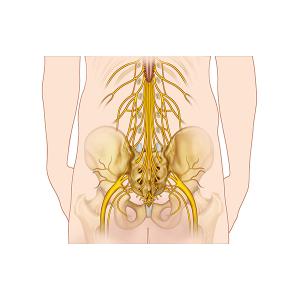
Lumbar spinal nerves
24,50 € Add to basketThe lumbar spinal nerves originate in the spinal cord
in the lumbar region of the spine. They are part of the
peripheral nervous system plays a crucial role in
transmitting signals between the central nervous system
and the lower extremities. -
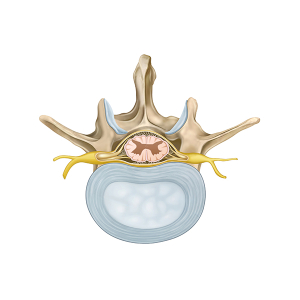
Lumbar vertebra anatomy
24,50 € Add to basketThe anatomy of the lumbar vertebra shows its robust
structure, designed to support the weight of the body
and allow flexion, extension, and rotation movements. -
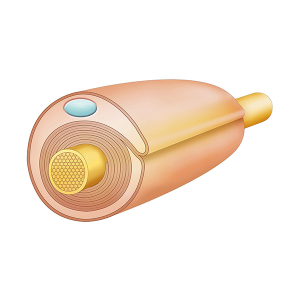
Myelin Sheath Structure
24,50 € Add to basketThe structure of the myelin sheath is a protective layer
composed mainly of lipids. It surrounds the axons of
nerve cells. In addition, it facilitates the transmission
of electrical signals.
-
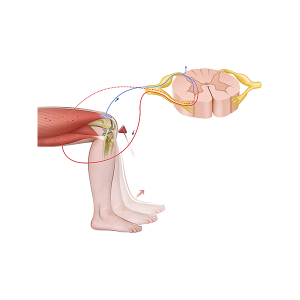
Myotatic reflex
24,50 € Add to basketThe myotatic reflex illustrates the neuromuscular
mechanism that enables involuntary muscle
contraction in response to stretching. This reflex
is essential for maintaining muscle tone and posture. -
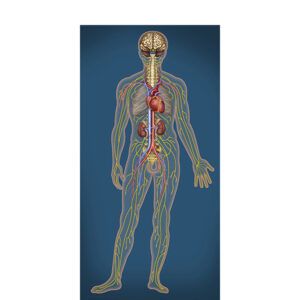
Nervous and circulatory systems
24,50 € Add to basketThe nervous system and the circulatory system are two
essential systems that support the proper functioning of
the human body. Both systems play important roles in
maintaining internal balance and ensuring that organs. -
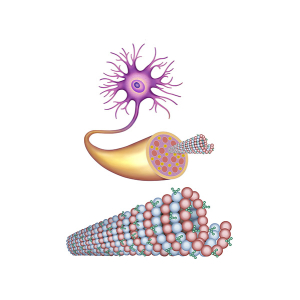
Neurofibrillary tangles
24,50 € Add to basketNeurofibrillary tangles are abnormal structures that
develop inside neurons. They are associated with
neurodegenerative diseases, such as Alzheimer’s disease.
-
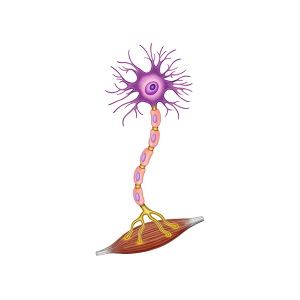
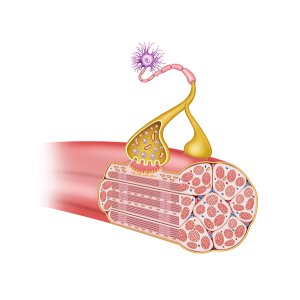
Neuromuscular junction
24,50 € Add to basketThe neuromuscular junction is the point where a
motor neuron and a muscle fiber interact. The
connection facilitates the transmission of signals
that initiate muscle contraction.
-
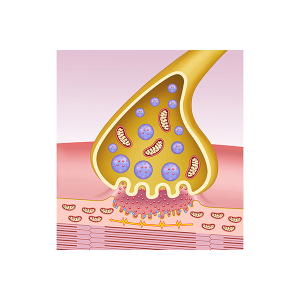
Neuromuscular synapse
24,50 € Add to basketThe neuromuscular synapse is the functional connection
between a motor neuron and a muscle fiber. It allows the
transmission of nerve signals that initiate muscle contraction. -
Neuromuscular synapse
24,50 € Add to basketThe neuromuscular synapse is the site of
communication between a motor neuron and
a muscle fiber. This junction plays a fundamental
role in muscle contraction. -
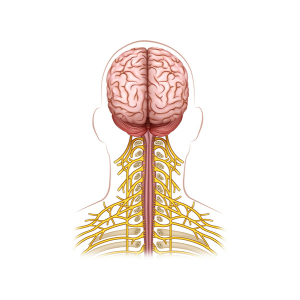
Organization of the cervical nerves
24,50 € Add to basketThe cervical nerve branch is the network of nerves
that originates in the spinal cord in the cervical
region of the spine. These nerves are distributed to
the neck, shoulders, and other nearby structures. -
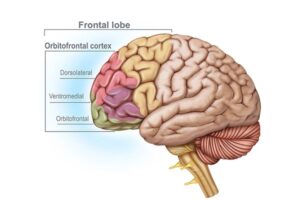
Physiology of the frontal lobe
24,50 € Add to basketIn frontal lobe physiology, we will see that it is one of
the most important regions of the human brain and
plays a fundamental role in numerous cognitive and
motor functions..