Diet
Showing 13–24 of 38 results
-
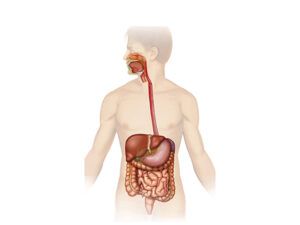
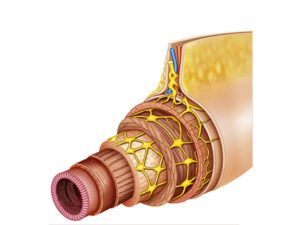
Human digestive system
24,50 € Add to basketThe human digestive system is a complex group of organs
that enables ingestion, digestion, and absorption of food,
including the mouth, stomach, intestines, and accessory
organs like the liver and pancreas.


-
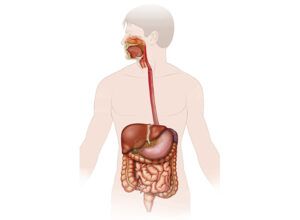
Human digestive system
24,50 € Add to basketThe human digestive system includes the mouth, esophagus,
stomach, intestines, liver, and pancreas. It enables digestion,
breakdown, and absorption of food, as well as efficient waste
elimination. -
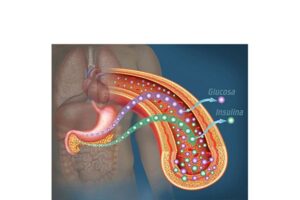
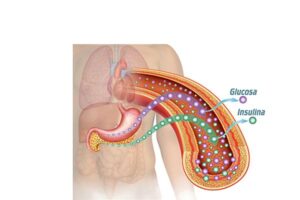
Insulin and glucose
24,50 € Add to basketInsulin and glucose regulate energy metabolism. Insulin
allows glucose to enter cells and maintains proper blood levels
sugar levels, ensuring balance and proper function of the body. -
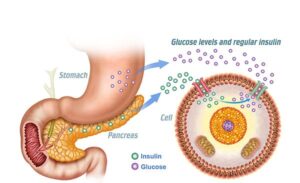
Insulin and glucose production
24,50 € Add to basketInsulin and glucose production regulate cellular
metabolism. Insulin allows glucose to enter cells,
while glucagon maintains balance by releasing
stored glucose from the liver. -
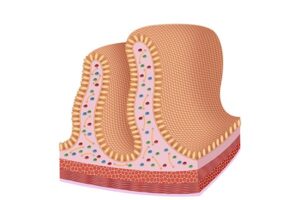
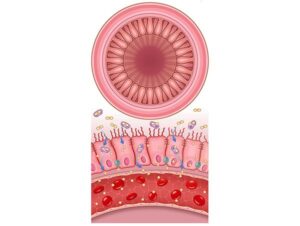
Intestinal microvilli
24,50 € Add to basketIntestinal microvilli are tiny projections on enterocytes
that increase absorption surface and enables efficient
uptake of essential nutrients from the digested chyme in the
small intestine. -
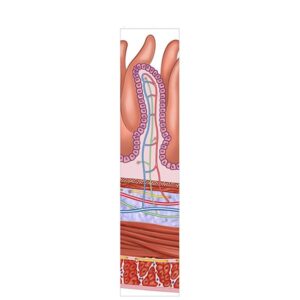
Intestinal villi
24,50 € Add to basketIntestinal villi are microscopic projections in the small
intestine that increase absorption surface and allows
nutrients to pass into the blood and lymphatic circulation. -
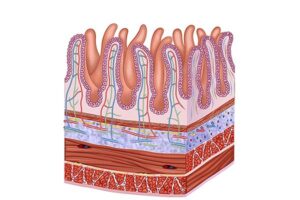
Layers of the digestive tract
24,50 € Add to basketThe layers of the digestive tract include mucosa, submucosa,
muscular layer, and serosa. These structures support digestion,
enzyme secretion, nutrient absorption, and movement of food
through the system. -
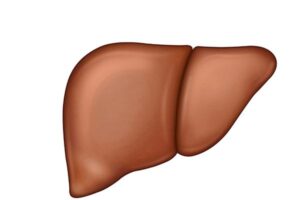
Morphology of the liver
24,50 € Add to basketThe morphology of the liver shows an organ located
in the upper right abdomen, composed of hepatic
lobes and hepatocytes that perform metabolic, digestive,
and detoxification functions. -
Normal insulin and glucose production
24,50 € Add to basketNormal insulin and glucose production regulate energy
balance. The pancreas releases insulin to help glucose
enter cells and maintain stable blood sugar levels in
the body. -
Nutrient absorption
24,50 € Add to basketNutrient absorption occurs mainly in the small intestine,
where villi increase surface area. Nutrients pass into the
bloodstream and are distributed throughout the body for
energy and function. -
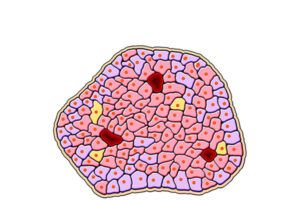
Pancreatic islets
24,50 € Add to basketPancreatic islets are regions of the pancreas with specialized
cells, such as beta and alpha cells. They produce insulin and
glucagon, regulating blood glucose levels and maintaining
metabolic balance.