Diet
Showing 1–12 of 38 results
-
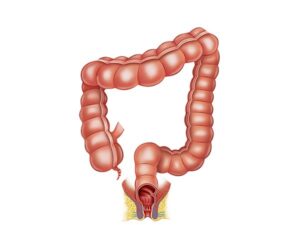
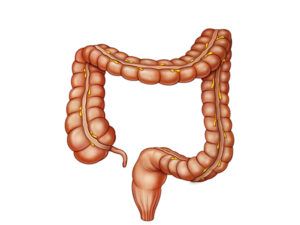
Anatomy of the Large Intestine.
24,50 € Add to basketAnatomy of the Large Intestine. explains the final part of
the digestive system, where water and electrolytes are
absorbed and feces are formed, including the cecum and
all colon segments.


-
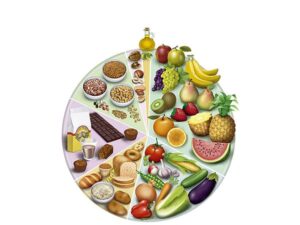
Antioxidant diet
24,50 € Add to basketAn antioxidant diet includes fruits, vegetables, nuts,
and green tea. These foods fight free radicals, protect
cells, and help prevent diseases and premature aging. -
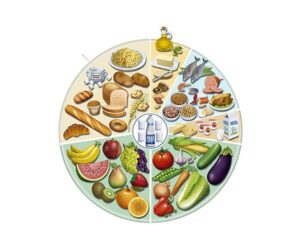
Balanced nutrition
24,50 € Add to basketBalanced nutrition includes fruits, vegetables, proteins,
whole grains, and healthy fats. It provides essential
nutrients, supports overall health, and helps prevent
diseases. -
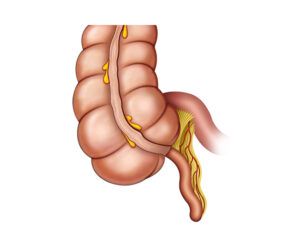
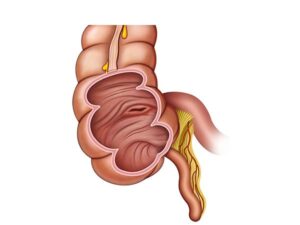
Cecum and appendix
24,50 € Add to basketThe cecum and appendix form the first part of the large
intestine. They receive content from the small intestine,
help absorb fluids, and support immune functions within
the digestive system. -
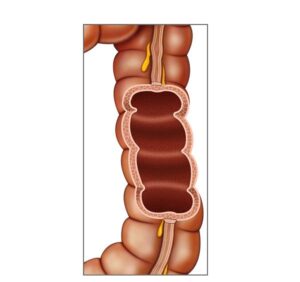
Colon anatomy
24,50 € Add to basketColon anatomy describes the final part of the digestive
system, where water is absorbed, and feces are formed,
including the cecum and colon segments. -
Descending colon
24,50 € Add to basketThe descending colon is part of the large intestine in
the left abdomen. It absorbs water and salts, compacts
waste, and helps form feces before passing them to the
sigmoid colon. -
Duodenum and appendages
24,50 € Add to basketThe duodenum is the first part of the small intestine.
It receives chyme, bile, and pancreatic enzymes, enabling
chemical digestion and preparing nutrients for absorption
in the intestine. -
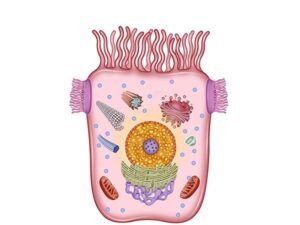
Enterocyte epithelial cell
24,50 € Add to basketThe enterocyte is a specialized epithelial cell in the small
intestine that absorbs nutrients. Its microvilli increase
surface area and enable efficient uptake of digested nutrients
from chyme. -
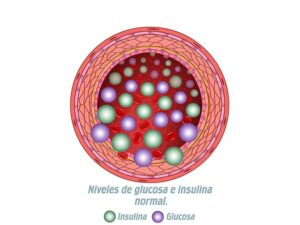
Glucose and insulin
24,50 € Add to basketGlucose and insulin regulate energy metabolism.
Insulin allows glucose to enter cells, maintaining
blood balance and ensuring a constant energy level
supply for proper body function. -
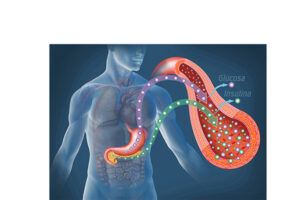
Glucose and insulin production
24,50 € Add to basketGlucose and insulin production regulate blood sugar levels.
After eating carbohydrates, glucose rises, and the pancreas
releases insulin to help cells absorb it and maintain metabolic
balance. -
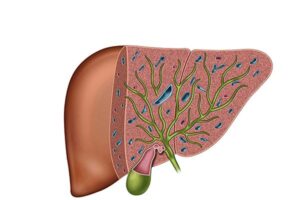
Hepatic anatomy
24,50 € Add to basketHepatic anatomy describes the structure of the liver,
a vital organ in the upper right abdomen. It is divided
into hepatic lobes and is formed by hepatocytes that
perform metabolic and detoxification functions. -
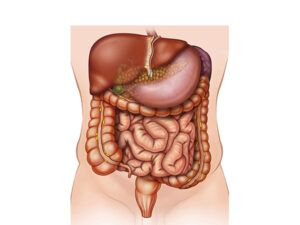
Human digestive process
24,50 € Add to basketThe human digestive process explains how food is
transformed into nutrients through the digestive
system, including the mouth, stomach, intestines, liver,
and pancreas.