Epidermis
Showing 1–12 of 72 results
-
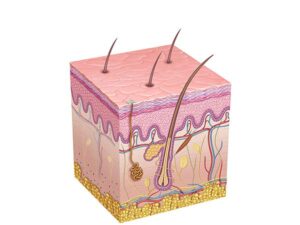
Anatomy and physiology of the skin
24,50 € Add to basketThe skin is the largest organ of the human body. It consists of
the epidermis, dermis, and hypodermis, which protect, regulate
temperature, and enable sensation through vessels, nerves, and
skin appendages.


-
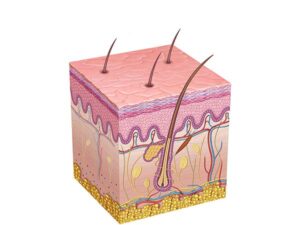
Anatomy of the Human Skin
24,50 € Add to basketHuman skin is the largest organ of the body. It is composed
of the epidermis, dermis, and hypodermis, which protect,
regulate temperature, and enable sensation through vessels,
nerves, and skin appendages. -
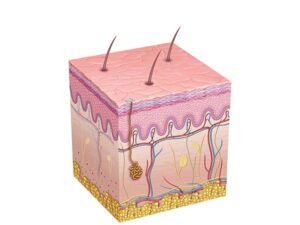
Anatomy of the skin
24,50 € Add to basketThe skin is the largest organ of the human body. It consists
of the epidermis, dermis, and hypodermis, which protect,
regulate temperature, and enable sensory perception through
vessels, nerves, and skin appendages. -
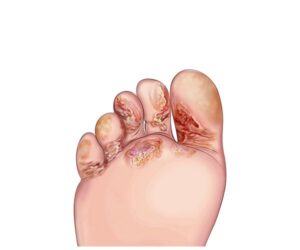
Athlete’s foot
24,50 € Add to basketAthlete’s foot: this fungal infection causes redness, itching, and
scaling between the toes or on the soles. Contagion occurs in damp
and hot environments, leading to wounds and discomfort. Antifungal
treatment and proper foot hygiene are essential components for
complete recovery and health. -
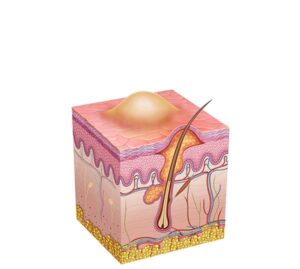
Bacterial pustule infection
24,50 € Add to basketBacterial pustule infection is a raised skin lesion filled with pus, commonly
associated with infection or inflammation. Moreover, it presents with
redness, swelling, and purulent content, reflecting the skin’s immune
response. -
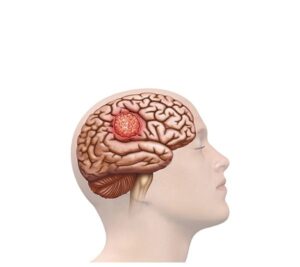
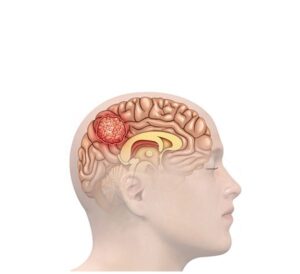
Brain tumor
24,50 € Add to basketBrain tumor. This anatomical illustration details the location and
growth of a malignant tumor within the brain. The content highlights
the importance of this visual resource for clinical diagnosis, medical
education, and effective communication regarding the severity of the
pathology. -
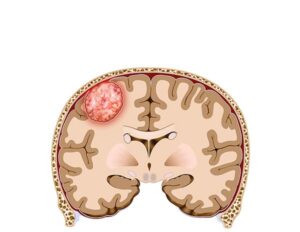
Cerebral meningioma tumor
24,50 € Add to basketCerebral meningioma tumor. This realistic illustration details
a tumor originating in the meningeal membranes and its impact on
brain structure. The content highlights the importance of this visual
resource for clinical diagnosis, surgical planning, and education. -
Cerebral meningioma tumor
24,50 € Add to basketCerebral meningioma tumor. This realistic illustration details
a tumor originating in the meningeal membranes and its impact on
brain structure. The content highlights the importance of this visual
resource for clinical diagnosis, surgical planning, and education. -
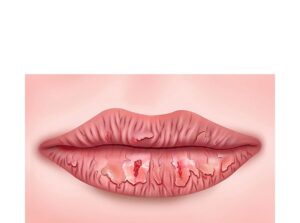
Chapped lips in Sjögren
24,50 € Add to basketChapped lips in Sjögren. This illustration details the dryness and
labial fissures caused by xerostomia in patients with this autoimmune
pathology. The content describes how the lack of saliva damages tissues
and highlights the importance of constant hydration and emollients. -
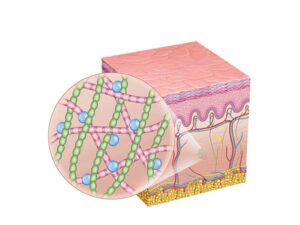
Collagen structure
24,50 € Add to basketCollagen structure forms a fibrillar network that provides
strength and elasticity to the skin, supporting the dermal
extracellular matrix. -
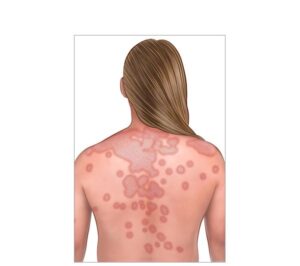
Cutaneous lupus erythematosus
24,50 € Add to basketCutaneous lupus erythematosus. This anatomical illustration
details the rashes and lesions on the back characteristic of this
autoimmune pathology. The content technically describes how
inflammation affects the skin and tissues, highlighting the importance
of specialized medical care. -
Darier disease
24,50 € Add to basketDarier disease. This schematic illustration details the warty lesions
and nail changes typical of keratosis follicularis. The content explains
how the genetic mutation affects the skin and highlights the use of
creams and medications to manage symptoms and avoid infections.