Mouth
Showing 1–12 of 62 results
-
Adenoid hypertrophy
24,50 € Add to basketThe adenoid hypertrophy has an altered function in nasal
breathing. Moreover, under normal conditions, adenoids
contribute to the immune response. Additionally, they help
protect against infections.


-
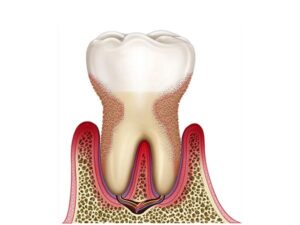
Advanced periodontal stage
24,50 € Add to basketThe advanced periodontal stage is a severe form of periodontitis
with extensive bone loss, gum recession, and tooth mobility,
often leading to tooth loss and requiring advanced treatment. -
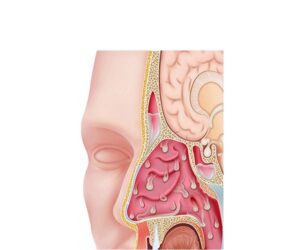
Allergic fungal sinusitis
24,50 € Add to basketThe allergic fungal sinusitis has an altered function in sinus
ventilation. Moreover, under normal conditions, these cavities
are air-filled. Additionally, mucus flows properly into the
nasal cavity. -
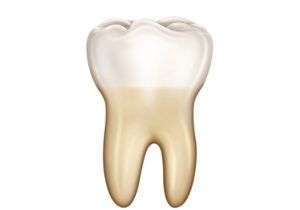
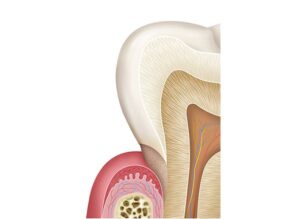
Anatomy of the molar
24,50 € Add to basketThe tongue is a muscular organ essential for taste, speech,
and swallowing. Its taste buds detect flavors, while its muscles
allow the mobility necessary for eating. -
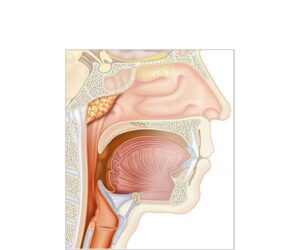
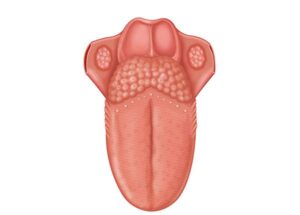
Anatomy of the tongue
24,50 € Add to basketThe tongue is a muscular organ essential for taste, speech,
and swallowing. Its taste buds detect flavors, while its muscles
allow the mobility necessary for eating. -
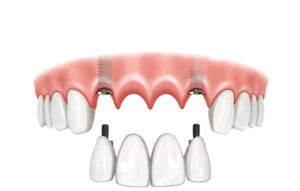
Anterior dental bridge
24,50 € Add to basketThe anterior dental bridge has an essential function in oral
rehabilitation. Moreover, under normal conditions, anterior
teeth contribute to chewing and speech. Additionally, they
enhance facial aesthetics. -
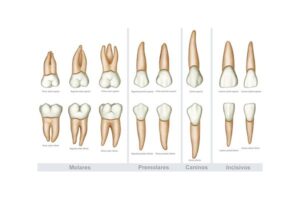
Classification of teeth
24,50 € Add to basketThe classification of teeth distinguishes incisors, canines,
premolars, and molars according to their shape and function.
Each type participates in cutting, tearing, or grinding food
during chewing. -
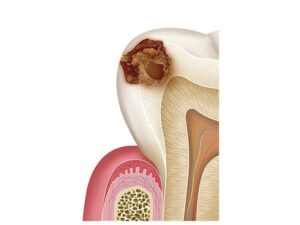
Dental caries
24,50 € Add to basketThe dental caries have an altered function in tooth integrity.
Moreover, under normal conditions, enamel protects the inner
layers. Additionally, dentin provides structural support.
Furthermore, they maintain dental health. -
Dental dentin
24,50 € Add to basketDental dentin is the mineralized tissue that forms most
of the tooth. It surrounds the pulp and contains dentinal
tubules that contribute to the sensitivity and protection
of the tooth structure. -
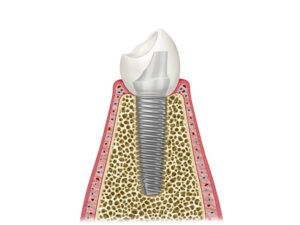
Dental implant diagram
24,50 € Add to basketThe dental implant diagram has an essential function in oral
rehabilitation. Moreover, under normal conditions, tooth roots
anchor teeth to the bone. Additionally, they support chewing
forces. Furthermore, they ensure dental stability and function. -
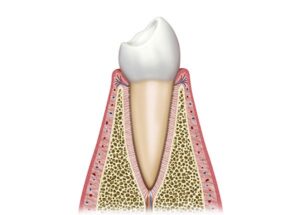
Dental morphology
24,50 € Add to basketDental morphology studies the shape and structure
of teeth. It analyzes how incisors, canines, premolars,
and molars are organized to perform functions in
chewing and speaking. -
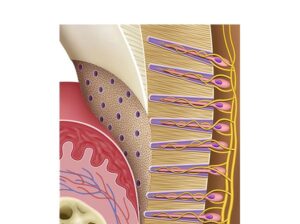
Dentin tubules
24,50 € Add to basketDentin tubules are microscopic channels within dentin
that connect the pulp with the tooth surface and help
transmit sensory stimuli.