Mouth
Showing 25–36 of 62 results
-
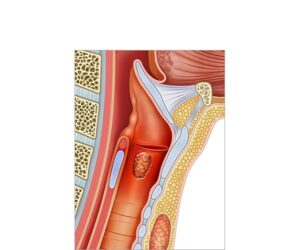
Laryngeal cancer
24,50 € Add to basketThe laryngeal cancer has an altered function in phonation.
Moreover, under normal conditions, vocal cords vibrate to
produce sound. Additionally, the larynx protects the airway
during swallowing.


-
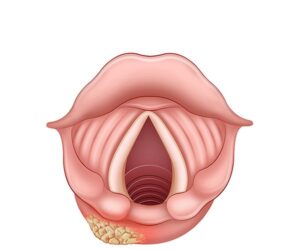
Laryngeal carcinoma
24,50 € Add to basketLaryngeal carcinoma fulfills an altered general function in the
production of the voice. In addition, under normal conditions
the the vocal cords vibrate to generate sound. Also, the larynx
regulates the passage of air into the lungs. -
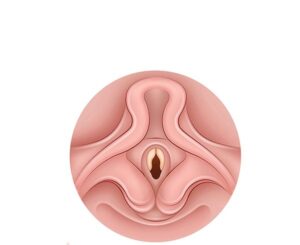
Laryngomalacia
24,50 € Add to basketThe laryngomalacia has an altered function in respiration.
Moreover, under normal conditions, the larynx remains open.
Additionally, it allows proper airflow into the lungs. -
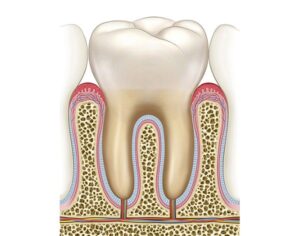
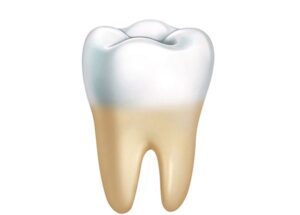
Molar and gingival structure
24,50 € Add to basketMolars are posterior teeth specialized for grinding food.
Their structure includes enamel, dentin, pulp, and roots
anchored to the jaw by the periodontal ligament. -
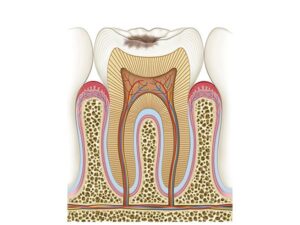
Molar caries stage II
24,50 € Add to basketThe molar caries stage II has an altered function in tooth integrity.
Moreover, under normal conditions, enamel protects the dentin.
Additionally, dentin transmits stimuli to the pulp. Furthermore,
these structures maintain dental function. -
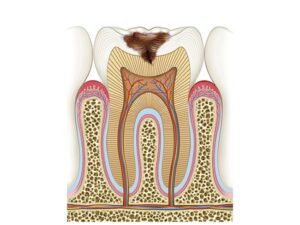
Molar caries stage III
24,50 € Add to basketThe molar caries stage III has an altered function in tooth integrity.
Moreover, under normal conditions, enamel protects the inner layers.
Additionally, dentin provides structural support. Furthermore, they
ensure proper dental function. -
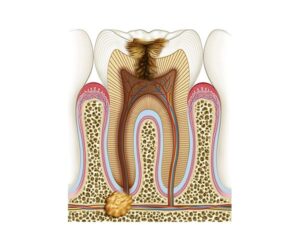
Molar caries stage IV
24,50 € Add to basketThe molar caries stage IV has a severely altered function in tooth
integrity. Moreover, under normal conditions, enamel and dentin
protect the pulp. Additionally, the pulp contains nerves and blood
vessels. -
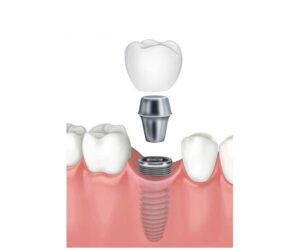
Molar implant
24,50 € Add to basketThe molar implant has an essential function in dental rehabilitation.
Moreover, under normal conditions, molars allow food grinding.
Additionally, they contribute to dental arch stability. Furthermore,
they ensure efficient chewing. -
Molar tooth anatomy
24,50 € Add to basketMolar tooth anatomy is a posterior tooth specialized in
grinding food. Its structure includes enamel, dentin,
and pulp, as well as roots that attach it to the bone
via the periodontal ligament. -
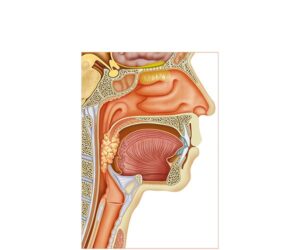
Oropharyngeal cancer
24,50 € Add to basketThe oropharyngeal cancer has an altered function in pharyngeal
activity. Moreover, under normal conditions, the oropharynx
allows passage of air and food. Additionally, it contributes to voice
production. -
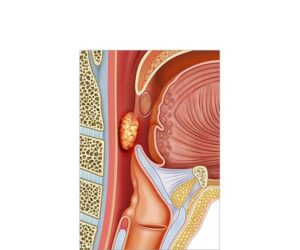
Oropharyngeal cancer tumor
24,50 € Add to basketThe oropharyngeal cancer tumor has an altered function in
pharyngeal activity. Moreover, under normal conditions, the
oropharynx allows passage of air and food. Additionally, it
contributes to voice production. -
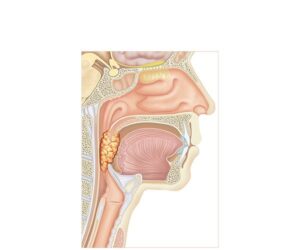
Oropharyngeal cancer tumor
24,50 € Add to basketThe oropharyngeal cancer tumor has an altered function in
pharyngeal activity. Moreover, under normal conditions, the
oropharynx allows passage of air and food. Additionally, it
contributes to voice production.