Neurodegenerative
Showing 13–24 of 40 results
-
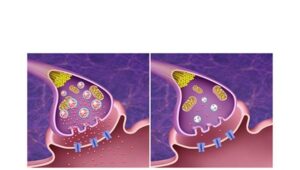
Dopaminergic synapse
24,50 € Add to basketThe dopaminergic synapse has an essential function in neuronal
transmission. Moreover, dopamine acts as a key neurotransmitter.
Additionally, it facilitates communication between neurons.


-
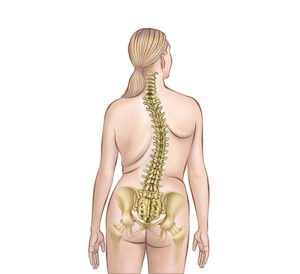
Female figure with scoliosis
24,50 € Add to basketThe female figure with scoliosis has an altered function in
body alignment. Moreover, under normal conditions, the spine
maintains balanced physiological curves. Additionally, it provides
postural stability. -
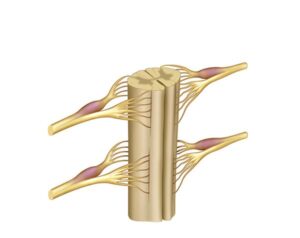
Friedreich’s ataxia
24,50 € Add to basketFriedreich’s ataxia has an altered function in motor coordination.
Moreover, under normal conditions, the spinal cord transmits
signals efficiently. Additionally, it allows coordination between the
brain and muscles. -
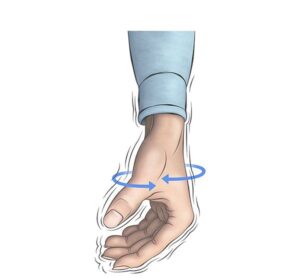
Hand tremor in Parkinson’s disease
24,50 € Add to basketHand tremor in Parkinson’s fulfills a general function altered in the
motor control. In addition, under normal conditions the dopamine
regulates voluntary movements. It also allows a smooth and
coordinated execution. -
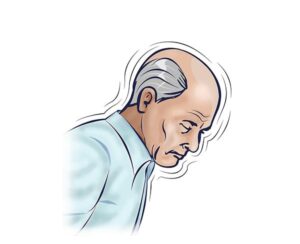
Head tremor in Parkinson’s disease
24,50 € Add to basketThe head tremor in Parkinson’s disease has an altered function
in motor control. Moreover, under normal conditions, dopamine
regulates voluntary movements. Additionally, it allows smooth
and coordinated execution. -
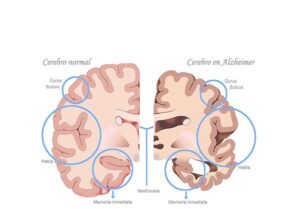
Healthy brain vs Alzheimer’s brain
24,50 € Add to basketThe healthy brain vs Alzheimer’s brain has an altered function
in the nervous system. Moreover, under normal conditions, neurons
maintain efficient communication. Additionally, they support learning
and memory. -
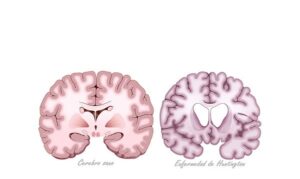
Huntington’s disease
24,50 € Add to basketHuntington’s disease has an altered function in the nervous system.
Moreover, under normal conditions, neurons maintain efficient
communication. Additionally, they support motor control and cognitive
functions. -
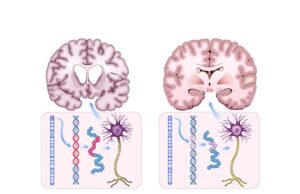
Huntington’s disease and chromosome 4
24,50 € Add to basketHuntington’s disease and chromosome 4 have an altered function
in neuronal genetic regulation. Moreover, under normal conditions,
the huntingtin gene produces a functional protein. Additionally, this
protein participates in cellular processes. -
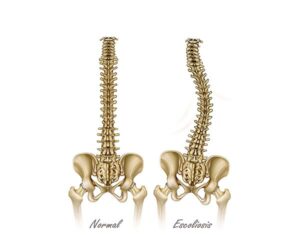
Idiopathic scoliosis
24,50 € Add to basketThe idiopathic scoliosis has an altered function in body
alignment. Moreover, under normal conditions, the spine
maintains proper physiological curvature. Additionally, it
provides stability and postural balance. -
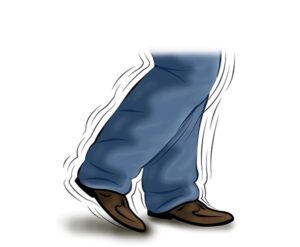
Legs in Parkinson’s disease
24,50 € Add to basketThe legs in Parkinson’s disease have an altered function in mobility.
Moreover, under normal conditions, dopamine regulates voluntary
movements. Additionally, it allows smooth and coordinated execution. -
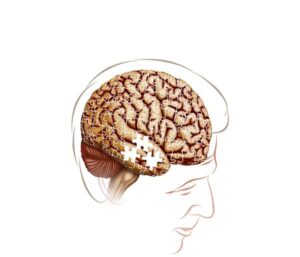
Lost memories in Alzheimer’s disease
24,50 € Add to basketThe lost memories in Alzheimer’s disease have an altered function in
cognitive processes. Moreover, under normal conditions, neurons
communicate efficiently. Additionally, they store and retrieve information. -
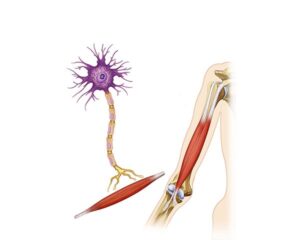
Muscle at the neuromuscular synapse in ALS
24,50 € Add to basketIn ALS, there is progressive degeneration of motor neurons. These
neurons are located in the brain and spinal cord. Moreover, their
deterioration prevents proper signal transmission. Additionally, this
affects muscle activation.