Neurodegenerative
Showing 37–40 of 40 results
-
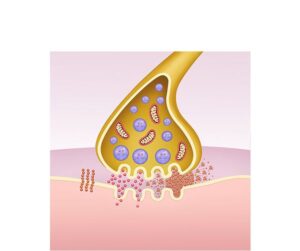
Synapse in Alzheimer’s disease
24,50 € Add to basketThe synapse in Alzheimer’s disease has an altered function in
neuronal communication. Moreover, under normal conditions,
synapses allow efficient signal transmission. Additionally, they
support memory and learning.


-
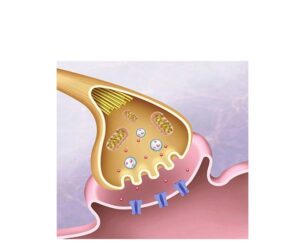
Synapse in Parkinson’s disease
24,50 € Add to basketParkinson’s disease. It is characterized by the loss of dopamine-producing
cells in the brain. This dopamine deficiency leads to motor and non-motor
symptoms, such as balance problems and cognitive alterations. -
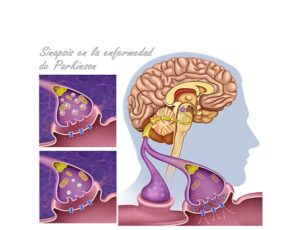
Synapse in Parkinson’s disease
24,50 € Add to basketThe synapse in Parkinson’s disease has an altered function in
neuronal transmission. Moreover, under normal conditions,
dopamine acts as an essential neurotransmitter. Additionally,
it facilitates communication between neurons. -
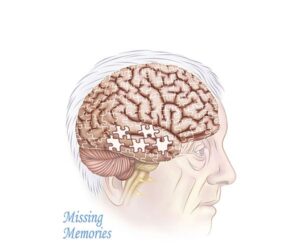
Template (Copy)
24,50 € Add to basketAlzheimer’s disease and lost memories have an altered function in
cognitive processes. Moreover, under normal conditions, neurons
communicate efficiently. Additionally, they store and retrieve
information.