Ocular
Showing 37–48 of 68 results
-
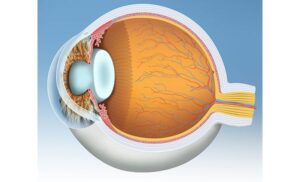
Physiology of the eye
24,50 € Add to basketEye physiology explains how the cornea, iris, pupil,
lens, retina, and optic nerve work together to capture
light and create vision.


-
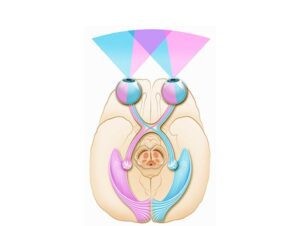
Physiology of the visual system
24,50 € Add to basketThe physiology of the visual system explains how the eye, The
optic nerve and the brain work together to convert light into
nerve signals that allow humans to perceive images and
interpret the visual world. -
Physiology of vision
24,50 € Add to basketVisual physiology explains how the eye captures light and
converts it into nerve signals processed by the brain. This
process includes focusing light on the retina, transmitting
signals through the optic nerve and perceiving color, contrast
and brightness. -
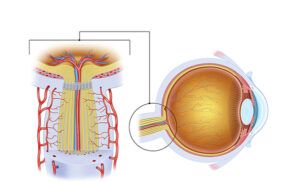
Physiology Optic Nerve
24,50 € Add to basketThe optic nerve carries visual signals from the retina to
the brain. These electrical impulses are processed in the
visual cortex, allowing the brain to interpret light, color,
and shapes as visual images. -
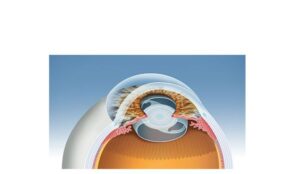
Replaced lens
24,50 € Add to basketLens replacement: This shows the final result of cataract surgery, in
which the opaque lens has been replaced with an artificial intraocular
lens. This new lens allows light to focus properly on the retina, restoring
clear vision and improving the patient’s quality of life. -
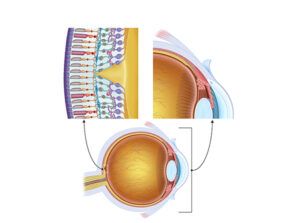
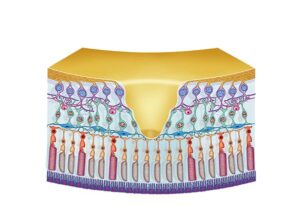
Retina and macula structure
24,50 € Add to basketThe retina and macula contain photoreceptor cells that
detect light and enable vision. The macula and its central
region, the fovea, provide detailed central vision and
accurate color perception. -
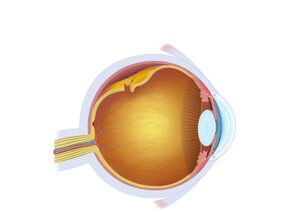
Retinal detachment
24,50 € Add to basketRetinal detachment is explained clearly. The retina separates
from its normal position, affecting vision and causing symptoms
such as flashes of light, floaters, and loss of peripheral vision. -
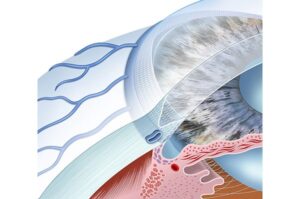
Schlemm’s canal
24,50 € Add to basketThe canal of Schlemm drains aqueous humor from the
trabecular meshwork into the venous system, helping
regulate intraocular pressure. -
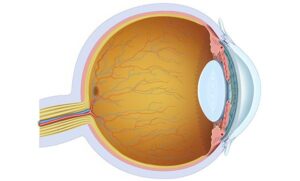
Structure of the eye
24,50 € Add to basketThe structure of the eye includes the cornea, iris, pupil,
lens, retina, and optic nerve that capture light and transmit
visual information. -
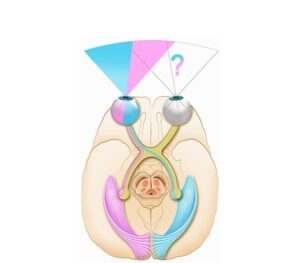
The amblyopia
24,50 € Add to basketAmblyopia is described as a condition in which one eye does
not develop properly during childhood, also known as “lazy eye.”
This leads to reduced vision even with optical correction. -
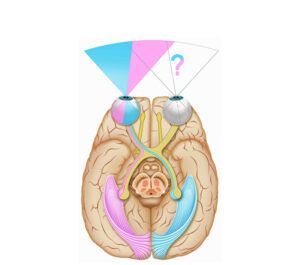
The amblyopic vision
24,50 € Add to basketVision with amblyopia, a condition in which one eye does not
develop correctly during childhood, causing a decrease in vision
even with optical correction. Strabismus or differences in the
graduation between both eyes can contribute to this condition. -
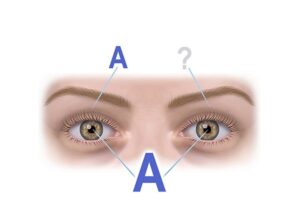
The amblyopic vision
24,50 € Add to basketThe vision in amblyopia, also called “lazy eye“, shows a
condition in which one of the eyes does not develop properly
in childhood, resulting in decreased vision even with optical
correction.