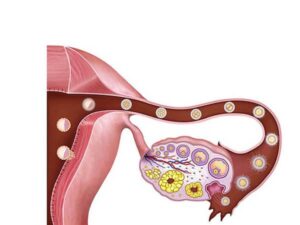
Ovulation
Showing 1–12 of 33 results
-
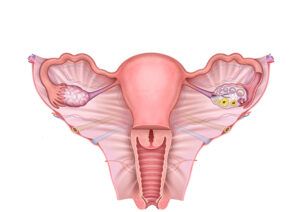
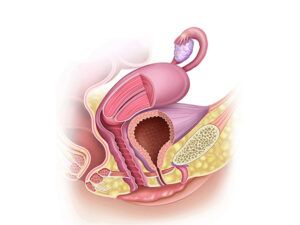
Anatomy and physiology of the uterus
24,50 € Add to basketAnatomy and physiology of the uterus: an organ composed of the
body, the isthmus, and the cervix that regulates the menstrual cycle
enables implantation, supports fetal development, and produces
contractions during childbirth.


-
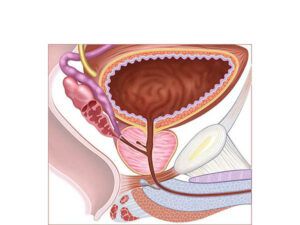
Anatomy of the prostate and bladder
24,50 € Add to basketAnatomy of the prostate and bladder: sagittal view showing
the bladder as a urinary organ and the prostate as a reproductive
gland beneath it, both connected to the urethra. -
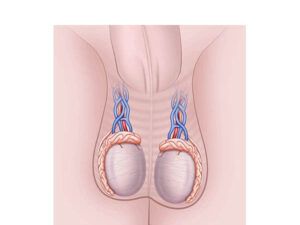
Anatomy of the scrotum and testes
24,50 € Add to basketAnatomy of the scrotum and testes: the external structure that
protects the testes, regulates temperature through the cremaster
muscle, and enables sperm and testosterone production. -
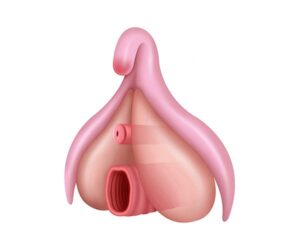
Clitoris structure
24,50 € Add to basketClitoris structure: an organ of the female reproductive system
located in the vulva, composed of the glans, body, and roots,
highly sensitive and covered by the clitoral hood. -
Clitoris transverse plane
24,50 € Add to basketClitoris in the transverse plane: shows internal structure with
glans, body, and roots, highlighting erectile tissue and its
role in female sensitivity and sexual response. -
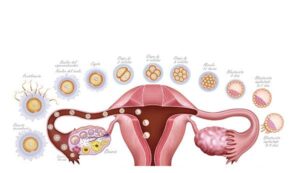
Embryonic development
24,50 € Add to basketEmbryonic development: a process where the zygote divides
into a blastocyst, implants in the uterus, and develops into an
embryo and then a fetus, forming organs and tissues during
pregnancy. -
Embryonic development process
24,50 € Add to basketEmbryonic development process: begins with fertilization
forming a zygote, followed by cell division, blastocyst formation,
implantation, and progression into embryo and fetus. -
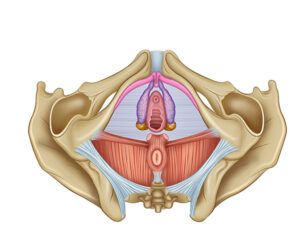
Female pelvic floor
24,50 € Add to basketFemale pelvic floor: a group of muscles, ligaments, and
connective tissue that supports the bladder, uterus, and
rectum, controls urination, and provides support during
pregnancy and childbirth. -
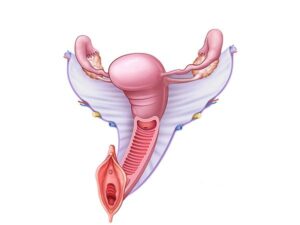
Female reproductive organs
24,50 € Add to basketFemale reproductive organs: include the vulva, vagina, uterus,
fallopian tubes and ovaries are responsible for reproduction,
egg production, transport, and pregnancy development. -
Female reproductive organs
24,50 € Add to basketFemale reproductive organs: include the vulva, vagina, uterus,
fallopian tubes and ovaries are responsible for reproduction, egg
production, transport, and pregnancy development. -
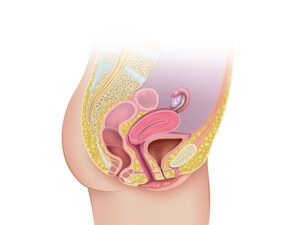
Female reproductive system
24,50 € Add to basketFemale reproductive system: organs such as the ovaries,
fallopian tubes, uterus, and vagina enable reproduction,
regulate hormones, and allow fertilization and pregnancy. -
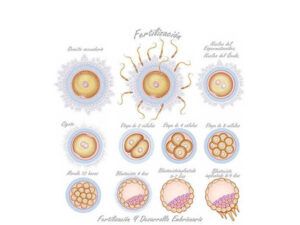
Fertilization and embryonic development
24,50 € Add to basketFertilization and embryonic development: a process where
sperm and egg form a zygote that develops into a blastocyst,
implants in the uterus, and evolves into an embryo and fetus.