Skin
Showing 109–120 of 176 results
-
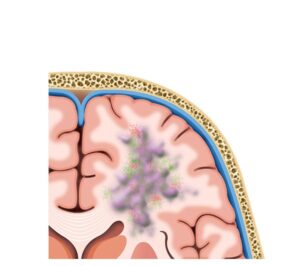
Multifocal leukoencephalopathy
24,50 € Add to basketProgressive multifocal leukoencephalopathy is a demyelinating
disease caused by the reactivation of the JC virus in immunosuppressed
patients. This condition destroys brain white matter, causing multifocal
lesions that lead to severe, irreversible motor, cognitive, and visual deficits.


-
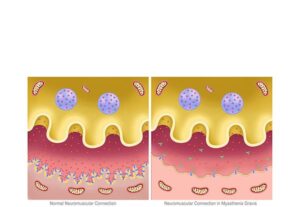
Neuromuscular synapse myasthenia
24,50 € Add to basketNeuromuscular synapse myasthenia explains muscle weakness
caused by antibodies blocking acetylcholine. This disruption in the
neuromuscular junction generates fatigue and failures in nerve
communication that affect voluntary movement. -
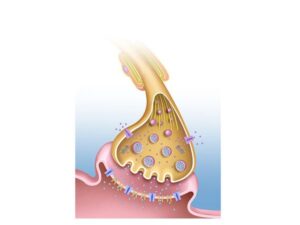
Neuronal synapse
24,50 € Add to basketNeuronal synapse is the connection between neurons
where neurotransmitters transmit signals across the
synaptic cleft, enabling nervous system communication. -
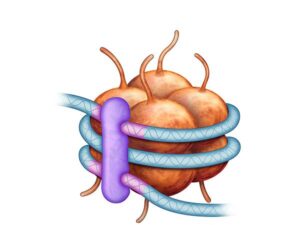
Nucleosome structure
24,50 € Add to basketThe nucleosome is the basic unit of chromatin, formed by
DNA wrapped around histones, enabling DNA compaction,
protection, and gene regulation. -
Ocular hyperthyroidism and goiter
24,50 € Add to basketOcular hyperthyroidism and goiter describe the effects of Graves’
disease, manifested in neck enlargement and eye protrusion. This
autoimmune condition causes drastic physical changes due to the
excess of thyroid hormones. -
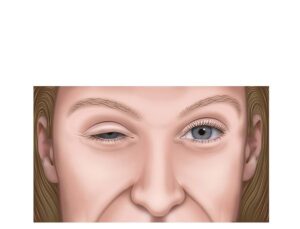
Ocular myasthenia
24,50 € Add to basketOcular myasthenia: an autoimmune disorder that causes weakness
in the eye and eyelid muscles. It triggers double vision and eyelid
drooping due to a failure in nerve transmission. Treatment is based
on immunosuppressants and medications. -
Ocular reactive arthritis
24,50 € Add to basketOcular reactive arthritis: manifestation of an immune response to
past infections causing inflammation in the eyes (uveitis). It triggers
redness, pain, and blurred vision, requiring a multidisciplinary approach
between rheumatologists and ophthalmologists for effective treatment
and long-term prevention of visual complications. -
Onychomycosis
24,50 € Add to basketOnychomycosis: this fungal infection, caused by dermatophytes,
generates color changes, thickening, and brittleness in toenails.
Humidity and inappropriate footwear favor its development. Treatment
includes topical or oral antifungals to restore nail health and appearance
effectively. -
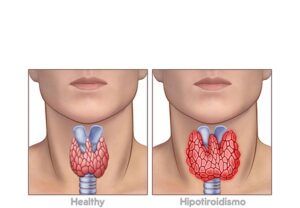
Overactive thyroid
24,50 € Add to basketAn overactive thyroid gland defines the hormonal excess caused by an
immune reaction against the thyroid gland. This condition generates
hyperthyroidism and goiter, causing a visual and functional disparity
compared to a healthy gland. -
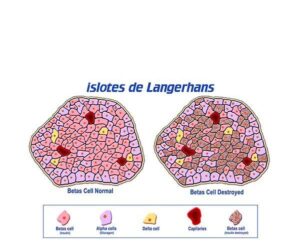
Pancreatic islets of Langerhans
24,50 € Add to basketPancreatic islets of Langerhans: pancreatic cell groups vital for
insulin production. Their destruction or exhaustion causes deficient
blood glucose regulation. Understanding their function is fundamental
for the permanent treatment of type 1 and type 2 diabetes. -
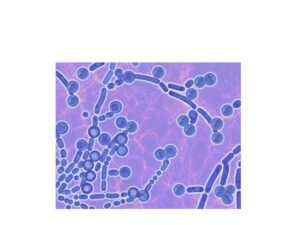
Pathogenic fungi
24,50 € Add to basketPathogenic fungi like Candida and Aspergillus cause infections
through hyphae and spores, affecting skin, organs, and respiratory
systems depending on immunity. -
Pernicious anemia
24,50 € Add to basketPernicious anemia: an autoimmune disease in which antibodies attack
the stomach, preventing the absorption of vitamin B12. This leads to
the formation of defective red blood cells and neurological damage.
It causes fatigue and weakness, so it requires lifelong treatment with
vitamin B12 supplements to stabilize the blood and the nervous system.