Suprarenal
Showing 133–144 of 150 results
-
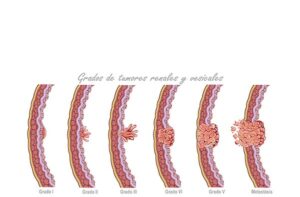
The stages of bladder tumor
24,50 € Add to basketStages of bladder tumor describe cancer progression from non
invasive disease to deep invasion and spread. Moreover, the diagnosis
includes cystoscopy and biopsy. Treatment varies by stage, ranging
from local therapies to surgery and systemic treatments.


-
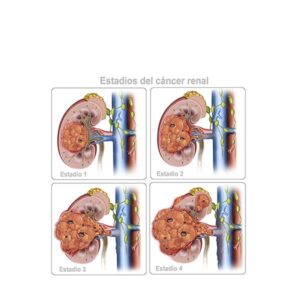
The stages of kidney cancer
24,50 € Add to basketStages of kidney cancer describe tumor progression from localized
disease to spread into lymph nodes and distant organs. Moreover,
diagnosis involves imaging and biopsy. Treatment varies by stage and
includes surgery, immunotherapy, and systemic therapies. -
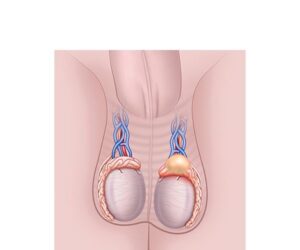
The testicular spermatocele
24,50 € Add to basketTesticular spermatocele is a benign fluid-filled cyst that forms
in the epididymis. Moreover, it is usually painless and non-cancerous,
although it may cause discomfort. Diagnosis is clinical and ultrasound
based, and treatment is only needed if symptoms are present. -
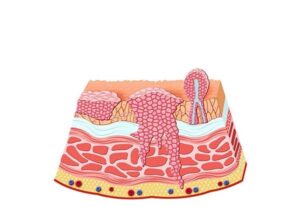
The types of bladder cancer
24,50 € Add to basketTypes of bladder cancer include transitional cell carcinoma,
squamous cell carcinoma, and adenocarcinoma. Moreover, they vary
in aggressiveness and progression. Symptoms include hematuria and
urinary changes, and diagnosis involves cystoscopy and biopsy. -
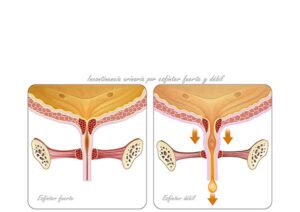
The types of urinary sphincters
24,50 € Add to basketThe types of urinary sphincters include the internal and the external.
responsible for regulating urine flow, the weakness of the external
sphincter reduces urethral resistance. Additionally, this facilitates the
involuntary release of urine. Its alteration can cause incontinence or
urinary retention. -
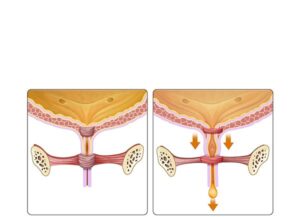
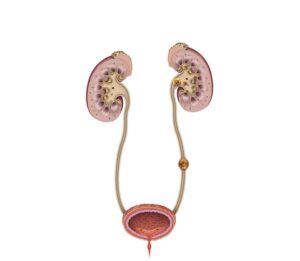
The ureteral stones
24,50 € Add to basketUreteral stones are solid deposits that form in the ureters and
may block urine flow. Moreover, they cause severe pain, nausea,
and hematuria. Diagnosis is imaging-based, and treatment ranges
from conservative management to surgical intervention. -
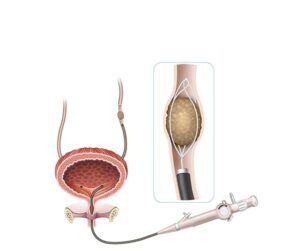
The ureteroscopy diagnosis
24,50 € Add to basketUreteroscopy diagnosis is a minimally invasive procedure used to
visualize and treat urinary stones. Moreover, it uses a thin endoscope
and laser techniques to fragment or remove stones, restoring urine flow
without open surgery. -
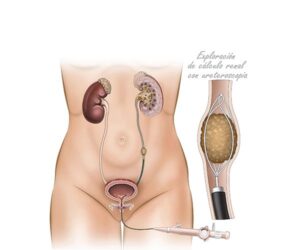
The ureteroscopy for ureteral stones
24,50 € Add to basketUreteroscopy for ureteral stones is a minimally invasive procedure
that allows direct visualization and treatment of stones in the ureter.
Moreover, it uses an endoscope and laser to fragment or remove stones,
restoring urine flow and relieving pain. -
The urinary incontinence
24,50 € Add to basketUrinary incontinence refers to involuntary urine leakage caused
by bladder or sphincter dysfunction. Moreover, it may coexist with
urinary retention. Diagnosis is clinical and functional, and treatment
includes exercises, medications, or surgery depending on the cause. -
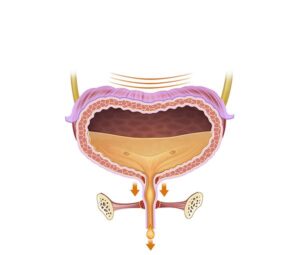
The weak bladder sphincter
24,50 € Add to basketWeak bladder sphincter causes involuntary urine leakage due
to urethral sphincter weakness. Moreover, it may result from aging
or previous surgeries. Treatment includes pelvic floor exercises,
lifestyle changes, and medical procedures or surgery in severe cases. -
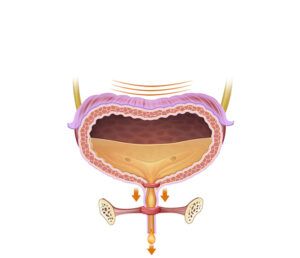
The weak sphincter incontinence
24,50 € Add to basketWeak sphincter incontinence is the involuntary leakage of
urine due to urethral sphincter weakness. Moreover, it may occur
during daily activities or effort. Treatment includes pelvic floor
exercises, lifestyle changes, and medical procedures in severe cases. -
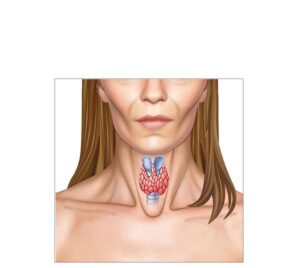
Thinness due to hyperthyroidism
24,50 € Add to basketThinness due to hyperthyroidism explains the involuntary
weight loss caused by an overactive thyroid gland. This autoimmune
condition accelerates metabolism, causing hormone excess that
makes maintaining a healthy weight difficult and alters facial
appearance.