Teeth
Showing 13–24 of 37 results
-
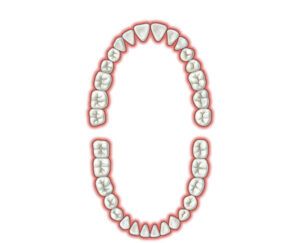
Human teeth
24,50 € Add to basketHuman teeth consist of incisors, canines,
premolars, and molars. These teeth work together
to cut, tear, and grind food during the process
of chewing.


-
Human tooth structure
24,50 € Add to basketThe human tooth structure consists of enamel, dentin,
and pulp. Different types of teeth enable functions such as
chewing, speaking, and maintaining oral health. -
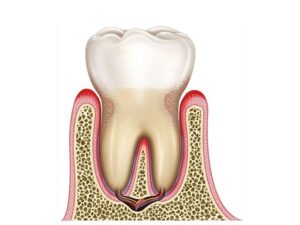
Initial periodontal phase
24,50 € Add to basketThe initial periodontal phase has an altered function in gingival
health. Moreover, under normal conditions, the gum protects dental
structures. Additionally, the periodontal ligament maintains tooth
attachment. -
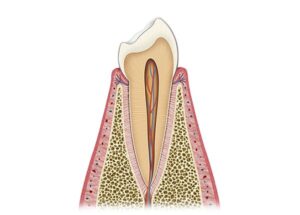
Internal dental structure
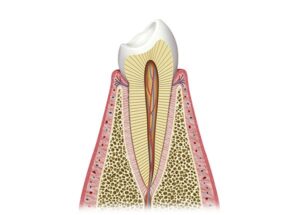
24,50 € Add to basketThe internal structure of the tooth consists of enamel,
dentin, and pulp. These layers work together to protect
the tooth, enable chewing, and transmit sensory stimuli. -
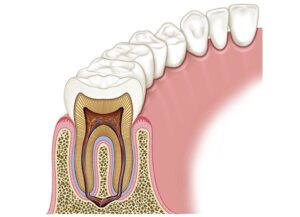
Internal molar structure
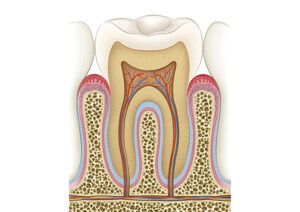
24,50 € Add to basketThe internal structure of a molar includes enamel,
dentin, and dental pulp. These tissues support chewing
and maintain tooth stability within the jawbone. -
Internal tooth morphology
24,50 € Add to basketInternal tooth morphology of the human tooth includes
enamel, dentin and pulp, which protect the tooth
and allow chewing and sensory perception. -
Jaw and maxilla
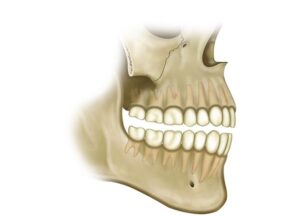
24,50 € Add to basketThe mandible and maxilla are facial bones that support
the teeth and enable chewing, speech, and facial stability
within the human skull. -
Molar and gingival structure
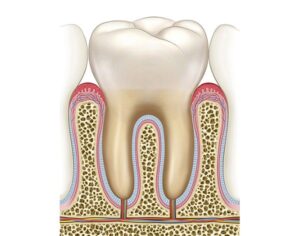
24,50 € Add to basketMolars are posterior teeth specialized for grinding food.
Their structure includes enamel, dentin, pulp, and roots
anchored to the jaw by the periodontal ligament. -
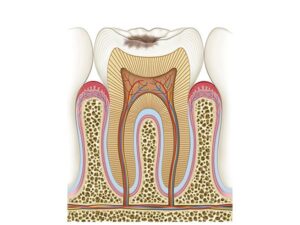
Molar caries stage II
24,50 € Add to basketThe molar caries stage II has an altered function in tooth integrity.
Moreover, under normal conditions, enamel protects the dentin.
Additionally, dentin transmits stimuli to the pulp. Furthermore,
these structures maintain dental function. -
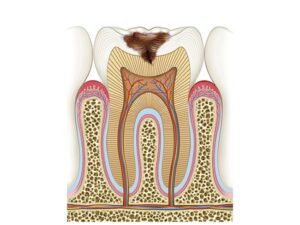
Molar caries stage III
24,50 € Add to basketThe molar caries stage III has an altered function in tooth integrity.
Moreover, under normal conditions, enamel protects the inner layers.
Additionally, dentin provides structural support. Furthermore, they
ensure proper dental function. -
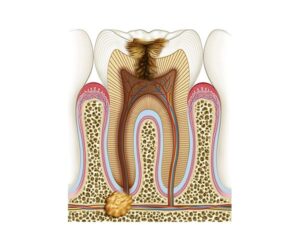
Molar caries stage IV
24,50 € Add to basketThe molar caries stage IV has a severely altered function in tooth
integrity. Moreover, under normal conditions, enamel and dentin
protect the pulp. Additionally, the pulp contains nerves and blood
vessels. -
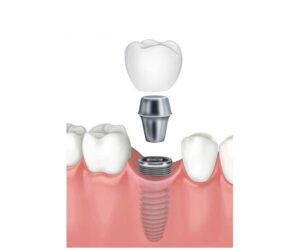
Molar implant
24,50 € Add to basketThe molar implant has an essential function in dental rehabilitation.
Moreover, under normal conditions, molars allow food grinding.
Additionally, they contribute to dental arch stability. Furthermore,
they ensure efficient chewing.