
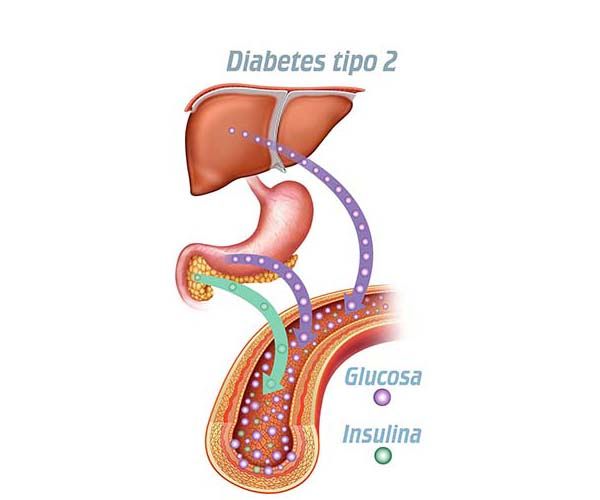



Insulin rejection is a complex metabolic phenomenon that occurs when the body’s cells stop responding effectively to hormonal signals. Firstly, it is fundamental to understand that this condition prevents energy from entering the tissues correctly. Therefore, the pancreas must work much harder to compensate for this lack of biological sensitivity. Consequently, the body experiences a progressive difficulty in maintaining blood sugar regulation within normal parameters.
Furthermore, the detailed illustration of the human torso helps to visualize how nutrients remain trapped without being processed by the organs. It is important to note that this resistance is the main precursor for the development of type 1 diabetes in the adult population. On the other hand, there are determining external factors that can trigger this negative process in an accelerated manner. Consequently, obesity and a sedentary lifestyle are considered the most critical risks for current metabolic health. Nevertheless, constant physical activity significantly improves the cellular response to the hormone.
Likewise, the persistent accumulation of unused energy generates high levels of glucose that damage the walls of the main arteries. Therefore, early control of this rejection is crucial to prevent serious complications such as kidney failure or severe cardiovascular problems. Consequently, a balanced diet is a basic pillar to restore internal chemical balance naturally. In conclusion, understanding the functioning of insulin rejection allows for informed decisions regarding daily lifestyle.
Finally, modern medicine offers precise diagnostic tools to detect this condition before it becomes an irreversible disease. Therefore, preventive monitoring is the best strategy to maintain optimal and lasting general health. However, the patient’s willingness to change unhealthy habits remains the most influential factor in the success of the treatment. In short, health education and personal discipline are fundamental to reversing the effects of hormonal resistance and protecting the metabolic future.