Anatomy
Showing 205–216 of 678 results
-
Fingers with dermatomyositis
24,50 € Add to basketFingers with dermatomyositis: this anatomical illustration
highlights the impacts of this autoimmune disease on the limbs.
The condition causes muscle inflammation and skin rashes such
as Gottron’s papules. Early diagnosis is essential to treat weakness
and characteristic visual changes.


-
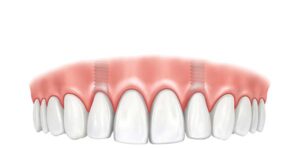
Fixed dental prosthesis
24,50 € Add to basketThe fixed dental prosthesis has an essential function in oral
rehabilitation. Moreover, under normal conditions, teeth allow
chewing and speech. Additionally, they contribute to facial
aesthetics. Furthermore, they ensure proper oral function. -
Fluids in appendicitis
24,50 € Add to basketAppendicitis inflammation. Acute inflammation of the appendix caused by
obstruction or infection, which causes abdominal pain, fever, and nausea,
requiring surgery to avoid complications such as rupture. -
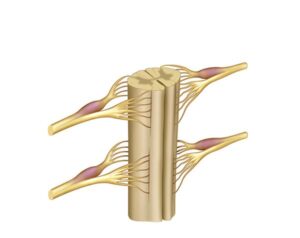
Friedreich’s ataxia
24,50 € Add to basketFriedreich’s ataxia has an altered function in motor coordination.
Moreover, under normal conditions, the spinal cord transmits
signals efficiently. Additionally, it allows coordination between the
brain and muscles. -
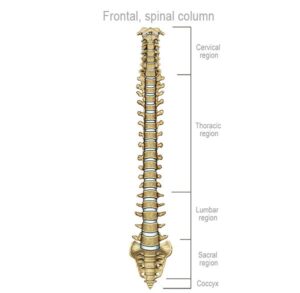
Frontal organization of the spine
24,50 € Add to basketThe frontal vertebral column highlights its crucial role as the
foundation for the mobility and stability of the human body.
It is composed of cervical (C1-C7), thoracic (T1-T12), and lumbar
(L1-L5), and sacral (S1-S5) vertebrae, as well as the coccyx. -
Frontal skull view
24,50 € Add to basketFrontal View of the Skull. In this view, the skull reveals the complexity
of its bony structure, which forms the facial anatomy and protects the
brain. Cranial bones such as the frontal and maxillary bones define
the facial appearance. -
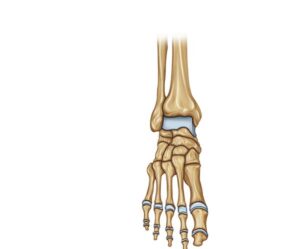
Frontal view of the foot
24,50 € Add to basketFrontal view of the foot. Technical representation of the bony
structures, including phalanges, metatarsals, and tarsal bones.
The image details the organization of the talus, calcaneus, and
cuneiforms, elements that provide the necessary anatomical base
for balance and locomotion. -
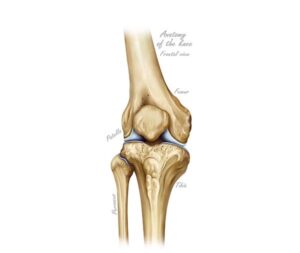
Frontal view of the knee
24,50 € Add to basketFrontal view of the knee. Technical illustration of the joint showing
the arrangement of the femur, tibia, fibula, and patella. The image
displays the articular surfaces and cartilage, key elements for flexion
and human locomotion in the activities of daily living. -
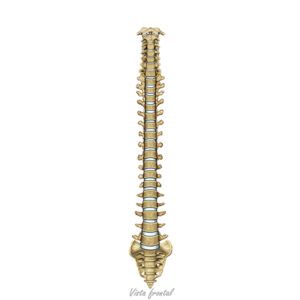
Frontal view of the spine
24,50 € Add to basketThe spinal column. It highlights its importance as a fundamental
pillar for the body’s mobility and stability. It consists of the cervical
vertebrae (C1–C7), thoracic vertebrae (T1–T12), lumbar vertebrae
(L1–L5), sacral vertebrae (S1–S5), and the coccyx. -
Fungal skin infection
24,50 € Add to basketFungal skin infection. This schematic illustrates how fungi affect
the skin and keratinized tissues in various body areas. The content
details symptoms of itching and scaling, emphasizing the importance
of hygiene and the use of antifungals for effective management. -
Gallstones
24,50 € Add to basketGallstones are solid deposits in the gallbladder formed by cholesterol
or bilirubin. They can obstruct the bile ducts. causing pain, nausea, and
digestive problems, and in severe cases, may require surgery for treatment. -
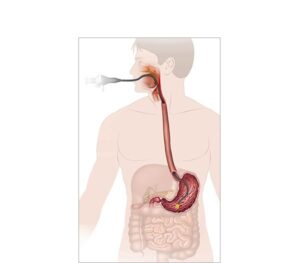
Gastrointestinal endoscopy
24,50 € Add to basketGastrointestinal endoscopy. A medical procedure that uses an
endoscope to visualize the digestive tract in real time, allowing
the detection of ulcers, polyps, tumors, and performing biopsies,
being key for the diagnosis of digestive diseases.