Blood
Showing 13–24 of 95 results
-
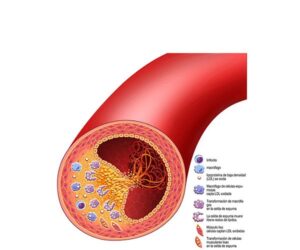
Atheroma plaque rupture
24,50 € Add to basketAtheroma plaque rupture is a critical event where a cholesterol
plaque breaks, forming a clot that blocks blood flow and increases
the risk of heart attack and stroke, requiring urgent medical care.


-
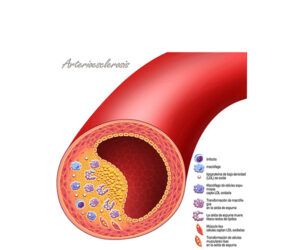
Atherosclerosis analysis
24,50 € Add to basketAnalysis of atherosclerosis. Evaluation of the accumulation of
plaques in arteries formed by lipids and inflammatory cells, which
reduce blood flow and increase the risk of cardiovascular diseases,
being key for diagnosis and prevention. -
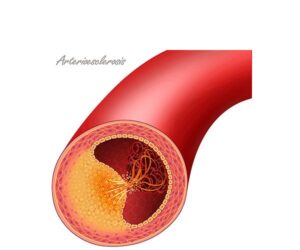
Atherosclerotic plaque and atherothrombosis
24,50 € Add to basketAtherosclerotic plaque and atherothrombosis. Rupture of a plaque
cholesterol in the artery that generates a clot, blocking the flow
blood flow and increasing the risk of having a heart attack and stroke
cerebrovascular, requiring urgent attention. -
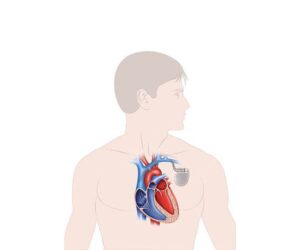
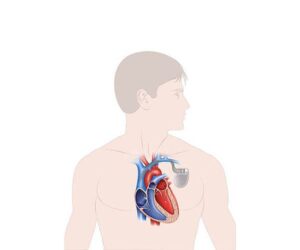
Bicameral pacemaker
24,50 € Add to basketA bicameral pacemaker uses two wires to coordinate the atrium
and the ventricle. By stimulating both chambers in sequence, it
mimics and improves the natural rhythm of the heart and optimizes
blood pumping. It is more advanced than a camera. -
Biventricular pacemakers
24,50 € Add to basketBiventricular pacemakers serve a general function in the
improvement of cardiac synchronization. In addition, it is a
device implantable electronics designed to treat insufficiency,
advanced cardiac arrest, and uncoordinated heartbeat -
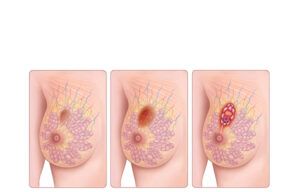
Breast cancer stages
24,50 € Add to basketStages of breast cancer. Progression from localized tumor to
metastasis, where the cells spread to the lymph nodes and
organs, increasing the severity and affecting the clinical prognosis. -
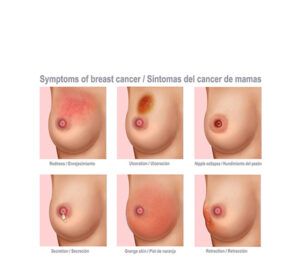
Breast cancer symptoms
24,50 € Add to basketSymptoms of breast cancer. They include lumps, changes in size
or shape of the breast, skin changes, discharge, and pain, being
key signs for early detection and timely medical evaluation. -
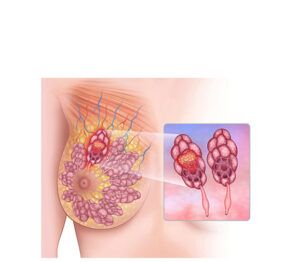
Breast lobular tumor
24,50 € Add to basketLobular breast tumor. Comparison between the healthy lobe and
affected, showing the tumor mass that can be benign or malignant,
with structural changes and risk of tissue invasion. -
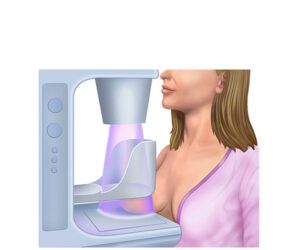
Breast mammography
24,50 € Add to basketBreast mammography. Radiological study that allows for
detecting lesions, masses, and microcalcifications in the breast
tissue, facilitating the early diagnosis of cancer and improving
the clinical prognosis. -
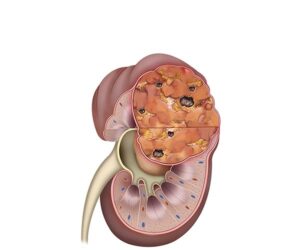
Cancerous kidney tumor
24,50 € Add to basketCancerous kidney tumor. This representation details the
development of malignant cells in the adult renal system. The text
addresses main symptoms such as hematuria and abdominal
pain. It also presents the genetic and environmental risk factors
that influence the overall prognosis -
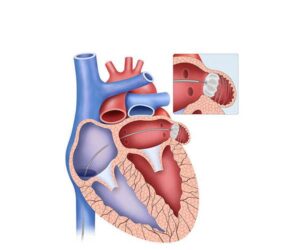
Cardiac atrial appendage
24,50 € Add to basketThe cardiac atrial appendage has a general function related to
atrial dynamics. Moreover, under normal conditions, it may
contribute to left atrial contraction. Additionally, it may act as
a temporary blood reservoir. -
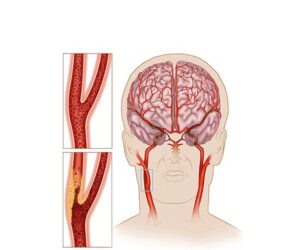
Carotid arteriosclerosis
24,50 € Add to basketCarotid arteriosclerosis. Diseases where cholesterol plaques narrow
the carotid artery, reducing the flow to the brain and increasing the
risk of stroke and cardiovascular complications. Prevention with
healthy habits is key.