Blood
Showing 85–95 of 95 results
-
The varicose veins
24,50 € Add to basketVaricose veins are dilated and twisted veins caused by valve
dysfunction, leading to blood pooling, pain, swelling, and fatigue,
commonly affecting the legs.


-
Thoracic aortic aneurysm
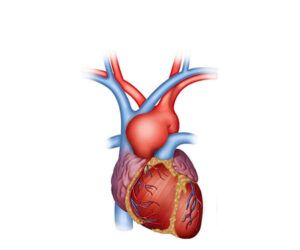
24,50 € Add to basketThe thoracic aortic aneurysm has an altered function in blood
circulation. Moreover, under normal conditions, the aorta
maintains its shape and strength. Additionally, it allows
continuous blood flow. -
Triple chamber pacemaker
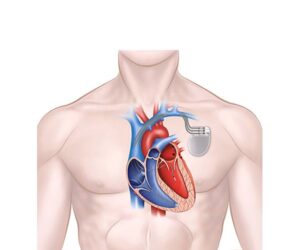
24,50 € Add to basketThe triple-chamber pacemaker has a general function in optimizing
cardiac synchronization. Moreover, under normal conditions, the
electrical system coordinates contractions. Additionally, it allows
efficient heartbeats. -
Triple chamber pacemaker
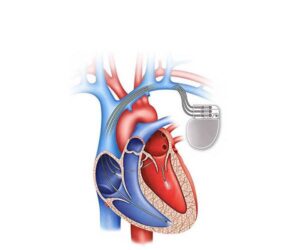
24,50 € Add to basketThe triple-chamber pacemaker plays a general role in improving
cardiac synchronization. In addition, under normal conditions,
the heart‘s electrical system coordinates the contractions. Also, it
allows for an efficient heartbeat. -
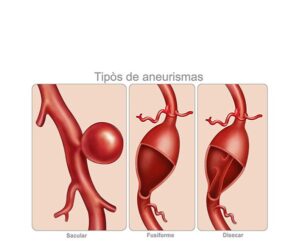
Types of aneurysms
24,50 € Add to basketTypes of aneurysms classify arterial dilations by shape and location,
including saccular, fusiform, true, and false forms, helping understand
clinical behavior, rupture risk, and treatment options. -
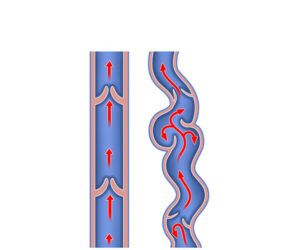
Varicose veins diagram
24,50 € Add to basketVaricose veins diagram compares a healthy vein and a damaged
one, showing blood reflux, pooling, vein dilation, and symptoms
such as pain, swelling, and heaviness. -
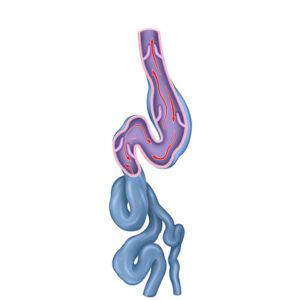
Varicose veins representation
24,50 € Add to basketVaricose veins representation shows dilated veins caused by
valve failure, leading to blood pooling, swelling, pain, and
visible skin changes associated with venous insufficiency. -
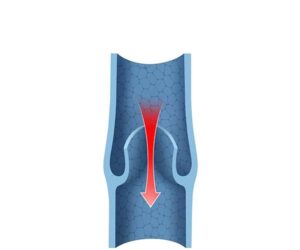
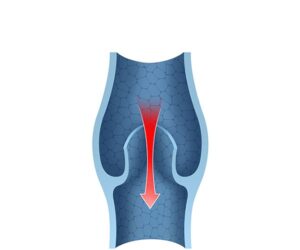
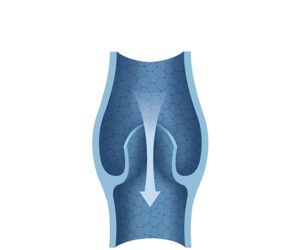
Varicose venous valve
24,50 € Add to basketVaricose venous valve. Valvular dysfunction that allows
blood reflux, causing blood accumulation, venous dilation
and symptoms such as pain, inflammation, and heaviness
in the legs. -
Varicose venous valves
24,50 € Add to basketVaricose venous valves show valve dysfunction, causing blood
reflux, vein dilation, and symptoms such as swelling, pain, and
heaviness linked to venous insufficiency. -
Vein with varicose valve
24,50 € Add to basketVein with varicose valve dysfunction shows failed venous valves
causing blood reflux, vein dilation, and symptoms like heaviness
and swelling linked to venous insufficiency. -
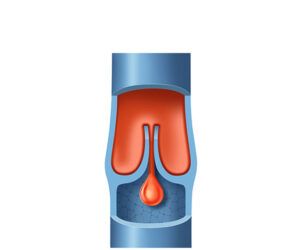
Venous valvular insufficiency
24,50 € Add to basketVenous valve insufficiency. Valvular dysfunction that allows
blood reflux, causing blood accumulation, venous dilation, and
symptoms such as pain, inflammation, and heaviness in the legs.