Blood
Showing 37–48 of 95 results
-
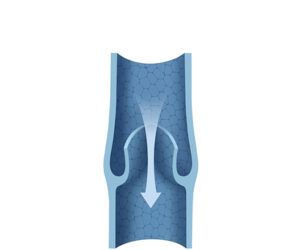
Damaged venous valve
24,50 € Add to basketDamaged venous valve causes blood reflux and pooling, increasing
venous pressure and leading to swelling, pain, and varicose veins
associated with venous insufficiency.


-
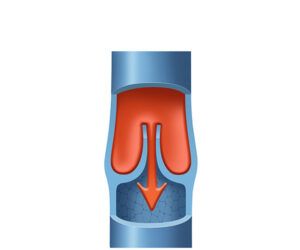
Damaged venous valve
24,50 € Add to basketDamaged venous valve causes blood reflux and pooling, increasing
venous pressure and leading to vein dilation, swelling, pain, and
heaviness associated with venous insufficiency. -
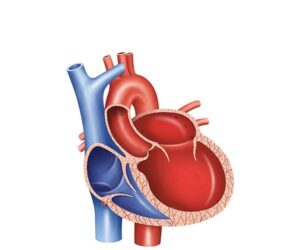
Dilated cardiomyopathy
24,50 € Add to basketThe dilated cardiomyopathy has an altered function in cardiac
pumping. Moreover, under normal conditions, the myocardium
contracts effectively. Additionally, it allows proper blood ejection. -
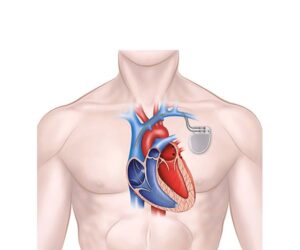
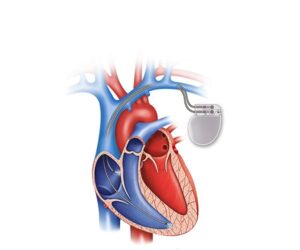
Dual chamber pacemaker
24,50 € Add to basketBicameral pacemaker. In this representation, they are distinguished
the heart, the atria, the ventricles, the electrodes, and the pacemaker
generator. These structures allow the conduction of electrical impulses
and cardiac synchronization. -
Dual chamber pacemaker
24,50 € Add to basketA dual-chamber pacemaker uses two leads to coordinate the
atrium and ventricle. By stimulating both chambers in sequence,
it mimics the heart’s natural rhythm and optimizes blood flow. It
is more advanced than single-chamber models. -
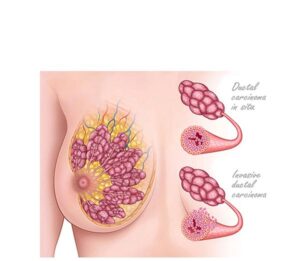
Ductal carcinomas
24,50 € Add to basketDuctal carcinomas. Comparison between carcinoma in situ and
invasive carcinoma, where the cells go from being confined in
ducts to invade tissues, increasing the risk of dissemination and
affecting the prognosis. -
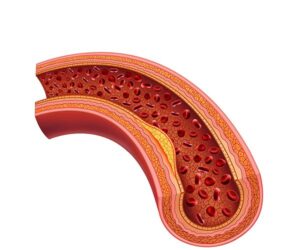
Early stage of cholesterol
24,50 € Add to basketThe initial stage of cholesterol. Early stage where lipids begin to
deposit in the arterial wall without obvious symptoms, initiating
the atherosclerotic process that can evolve into cardiovascular
diseases if not controlled. -
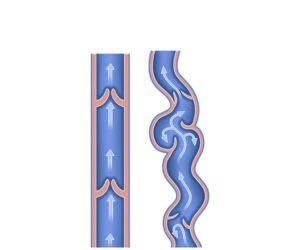
Healthy vein and varicose veins
24,50 € Add to basketHealthy veins and varicose veins show the contrast between
proper valve function and valve failure, leading to blood reflux,
vein dilation, swelling, and visible vascular changes. -
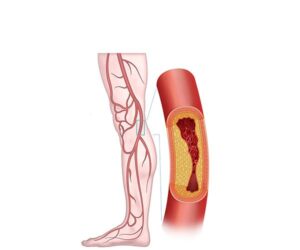
High cholesterol
24,50 € Add to basketHigh cholesterol is an excess of lipids, especially LDL, leading
to plaque buildup in arteries, reduced blood flow, and increased
risk of heart attack, stroke, and peripheral vascular disease. -
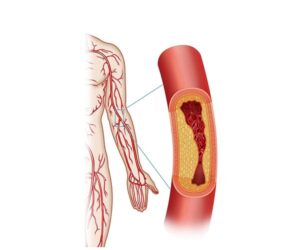
High cholesterol level
24,50 € Add to basketHigh cholesterol level is a condition with excess lipids, especially
LDL, leading to plaque buildup in arteries, reduced blood flow, and
increased risk of heart attack and stroke, requiring lifestyle changes
and medical management. -
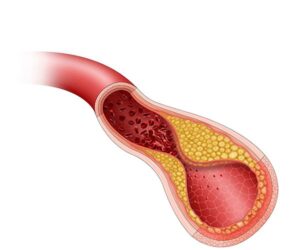
High cholesterol level
24,50 € Add to basketHigh cholesterol level involves significant lipid buildup, especially
LDL and triglycerides, leading to plaque formation, reduced blood
flow, and increased risk of heart attack and stroke, often without
noticeable symptoms. -
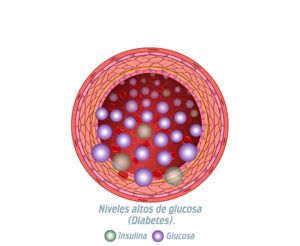
High glucose levels
24,50 € Add to basketHigh glucose levels refer to excess sugar in the bloodstream,
often linked to insulin resistance or diabetes, increasing the
risk of cardiovascular disease and long-term organ damage.