Bone
Showing 73–84 of 108 results
-
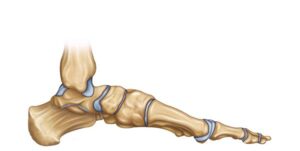
The foot lateral view
24,50 € Add to basketThe foot lateral view. An anatomical representation of the lower
limb detailing the connection between the tibia, fibula, and tarsal
bones. The image shows the talus, calcaneus, navicular, and cuboid.
elements that work together to provide structure, balance, and
mobility during human gait.


-
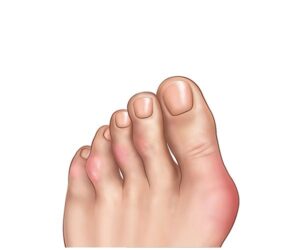
The foot with rheumatoid arthritis
24,50 € Add to basketFoot with rheumatoid arthritis is an autoimmune condition
causing joint inflammation, pain, and deformity. Moreover, it can
impair walking. Treatment includes disease-modifying drugs, physical
therapy, orthotics, and, in severe cases, corrective surgery. -
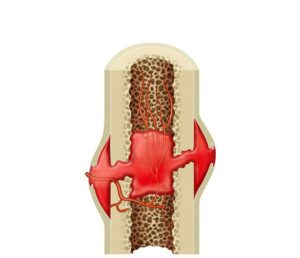
The fracture hematoma
24,50 € Add to basketFracture hematoma is the accumulation of blood at the site
of a bone fracture due to vessel rupture. Moreover, it is part of
the initial inflammatory response, causing swelling, pain, and
playing a role in bone healing. -
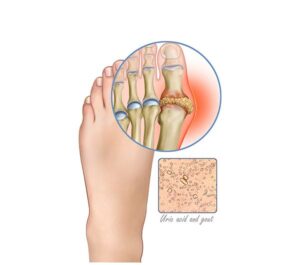
The gout inflammatory arthritis
24,50 € Add to basketGout inflammatory arthritis is a condition caused by uric acid crystal
buildup in joints, leading to severe pain, swelling, and redness.
Moreover, treatment includes medication, uric acid control, and
lifestyle changes to prevent recurrent attacks. -
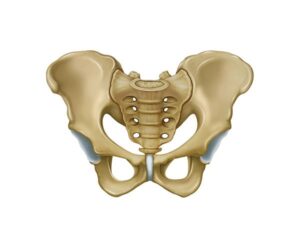
The hip anatomy
24,50 € Add to basketFront view of the hip. The vital hip joint is visible, connected to
the sacrum, a triangular bone at the base of the spine. This complex
connection enables essential movements such as flexion and rotation. -
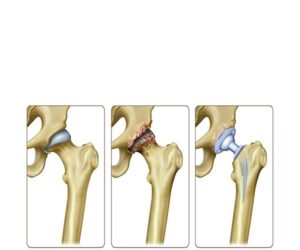
The hip and femur treatment
24,50 € Add to basketHip and femur treatment includes prosthetic surgery to replace
damaged joint surfaces. Moreover, it relieves pain and improves
mobility in osteoarthritis. Treatment choice depends on age, health
status, and severity of joint damage. -
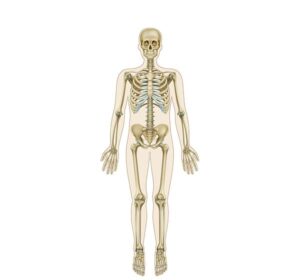
The human skeleton
24,50 € Add to basketThe human skeleton is the bony structure that provides support,
protection, and mobility to the body. It consists of 206 bones. It is
divided into the skull, the spine, the rib cage, and the appendicular
skeleton (limbs and the shoulder and pelvic girdles). -
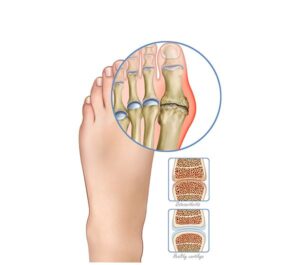
The inflammation due to arthritis
24,50 € Add to basketInflammation due to arthritis is a joint condition causing pain,
swelling, and stiffness. Moreover, it may result from cartilage wear
or other causes. Treatment includes anti-inflammatory drugs,
physical therapy, and measures to improve mobility. -
The inflammation due to osteoarthritis
24,50 € Add to basketInflammation due to osteoarthritis is a degenerative joint
condition causing cartilage wear, pain, swelling, and stiffness.
Moreover, it limits mobility. Treatment includes medications,
physical therapy, and, in advanced cases, joint replacement surgery. -
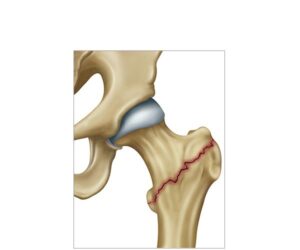
The intertrochanteric femur fracture
24,50 € Add to basketAn intertrochanteric femur fracture is a break between the
femoral trochanters, affecting hip stability and mobility. Moreover,
it is common in older adults and often associated with trauma and
reduced bone density. -
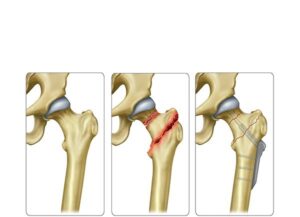
The intertrochanteric femur fracture treatment
24,50 € Add to basketIntertrochanteric femur fracture treatment involves open
reduction and internal fixation using plates, screws, or nails.
Moreover, it stabilizes the fracture, promotes healing, and
restores hip function for improved recovery. -
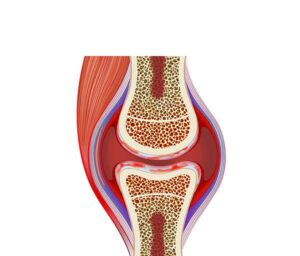
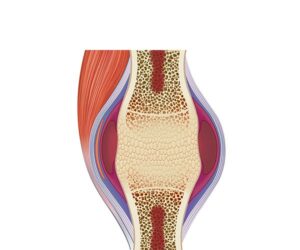
The joint fusion ankylosis
24,50 € Add to basketJoint fusion ankylosis is the complete fusion of bones in a joint,
leading to total loss of movement. Moreover, it may result from
arthritis or trauma. Treatment includes physical therapy and, in
severe cases, surgical intervention to improve function.