Bone
Showing 85–96 of 108 results
-
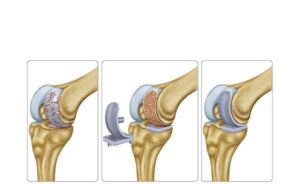
The knee joint replacement
24,50 € Add to basketKnee joint replacement is a surgical procedure that replaces
damaged joint surfaces with a prosthesis. Moreover, it relieves pain
and improves mobility in advanced osteoarthritis. Indication depends
on age, health status, and severity of joint damage.


-
The knee joint wear
24,50 € Add to basketKnee joint wear is a degenerative condition causing cartilage loss,
pain, swelling, and reduced mobility. Moreover, it may affect daily
activities. Treatment includes physical therapy, medications, and, in
advanced cases, surgical intervention. -
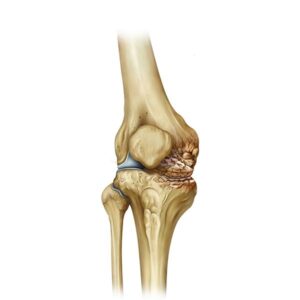
The knee osteoarthritis
24,50 € Add to basketKnee osteoarthritis is a degenerative joint disease causing cartilage
wear, pain, stiffness, and reduced mobility. Moreover, it may lead to
inflammation and crepitus. Treatment includes physical therapy,
medications, and, in severe cases, joint replacement surgery. -
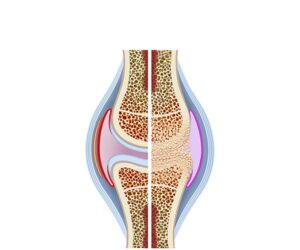
The knee with ankylosis
24,50 € Add to basketKnee with ankylosis is a condition where the joint bones fuse, causing
severe stiffness and loss of mobility. Moreover, it may result from
inflammation, trauma, or infection. Treatment includes physical therapy,
medication, and, in advanced cases, surgery. -
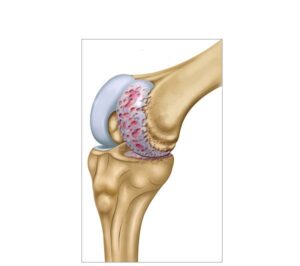
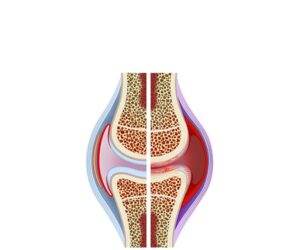
The knee with osteoarthritis
24,50 € Add to basketKnee with osteoarthritis is a degenerative joint condition causing
cartilage loss, pain, swelling, and stiffness. Moreover, it limits mobility.
Treatment includes physical therapy, medications, and, in advanced
cases, joint replacement surgery. -
The knee with osteoarthritis
24,50 € Add to basketKnee with osteoarthritis is a degenerative joint condition
causing cartilage wear, pain, stiffness, and swelling. Moreover,
it limits mobility and affects daily life. Treatment includes
physical therapy, medications, and, in advanced cases, surgery. -
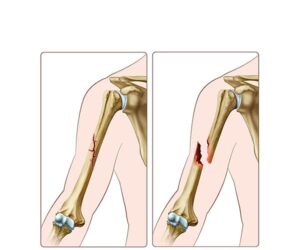
The oblique and open fractures
24,50 € Add to basketOblique and open fractures are bone injuries with different
severities. Oblique fractures show a diagonal break, while open
fractures expose bone to the environment. Moreover, both require
prompt treatment to prevent complications. -
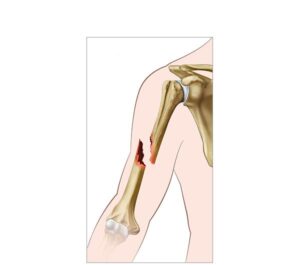
The open humerus fracture
24,50 € Add to basketOpen humerus fracture is a severe injury where the bone
breaks through the skin, increasing infection risk. Moreover,
it causes pain, bleeding, and deformity. Treatment includes
cleaning, antibiotics, immobilization, and often surgery. -
The osteoarthritis cartilage wear
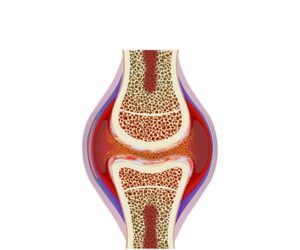
24,50 € Add to basketOsteoarthritis is a degenerative joint condition that causes cartilage
loss, pain, and stiffness. Moreover, it can reduce mobility. Treatment
includes physical therapy, medications, and, in advanced cases, surgical
procedures. -
The periodontal initial phase
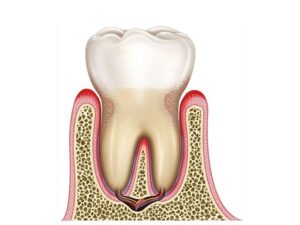
24,50 € Add to basketPeriodontal initial phase. The illustration regarding this phase
describes the conditions that impact the gums and supporting
structures. The onset manifests as gingivitis with inflammation
and bleeding, potentially evolving into periodontitis with bone
loss due to lack of oral hygiene. -
The pes cavus
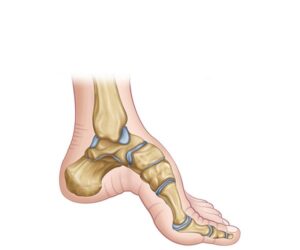
24,50 € Add to basketPes cavus is a condition characterized by a high plantar arch,
leading to uneven weight distribution. Moreover, it may cause
pain, instability, and increased pressure on specific areas of the
foot, affecting gait. -
The rheumatoid arthritis hand
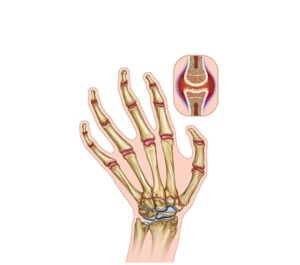
24,50 € Add to basketRheumatoid arthritis of the hand is an autoimmune condition
affecting finger joints, causing pain, swelling, and deformity. Moreover,
it can limit mobility. Treatment includes disease-modifying drugs, anti-
inflammatory therapy and physical rehabilitation.