Circulatory
Showing 73–84 of 95 results
-
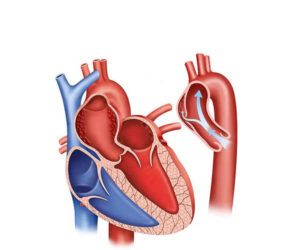
The aortic aneurysm
24,50 € Add to basketThe aortic aneurysm has an altered function in blood circulation.
Moreover, under normal conditions, the aorta maintains elasticity
and strength. Additionally, it allows continuous blood flow.


-
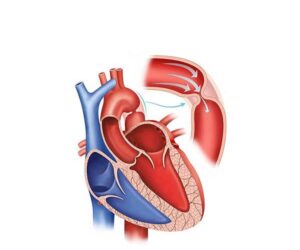
The aortic coarctation
24,50 € Add to basketThe aortic coarctation has an altered function in systemic
circulation. Moreover, under normal conditions, the aorta
allows continuous blood flow. Additionally, it distributes
oxygen and nutrients to tissues. -
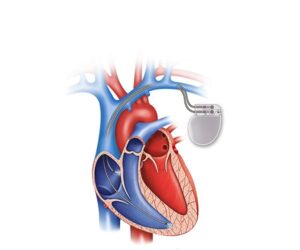
The bicameral pacemaker
24,50 € Add to basketThe bicameral pacemaker serves a general function in the
regulation of the heart rhythm. In addition, under normal
conditions, the heart’s electrical system coordinates the
contractions. It also allows for efficient synchronization
between the cameras. -
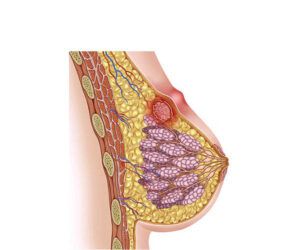
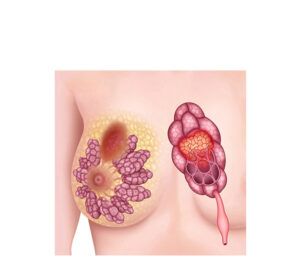
The breast cancer
24,50 € Add to basketBreast cancer. Malignant disease of breast tissue that can present
itself as ductal or lobular carcinoma, with the ability to invade
and metastasis, requiring early detection and specialized treatment. -
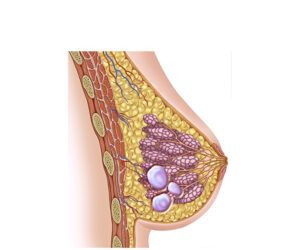
The breast cysts
24,50 € Add to basketBreast cysts. They are fluid-filled sacs in the breast tissue,
generally benign, which can vary with the hormonal cycle and
cause discomfort, being evaluated through medical studies. -
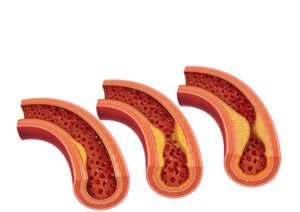
The cholesterol phases
24,50 € Add to basketCholesterol phases illustrate progressive lipid buildup in arteries,
leading to plaque formation, reduced blood flow, and increased
cardiovascular risk, often without symptoms in early stages. -
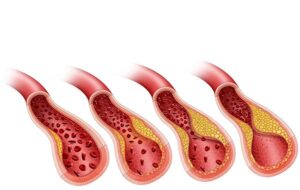
The cholesterol stages
24,50 € Add to basketCholesterol stages illustrate progressive lipid buildup in arteries,
leading to plaque formation, reduced blood flow, and increased
cardiovascular risk, often without symptoms in early stages. -
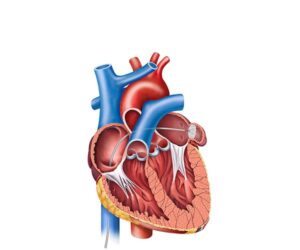
The heart appendage
24,50 € Add to basketThe heart appendage has a general function related to atrial
dynamics. Moreover, under normal conditions, it contributes to
left atrial contraction. Additionally, it may serve as a temporary
blood reservoir. -
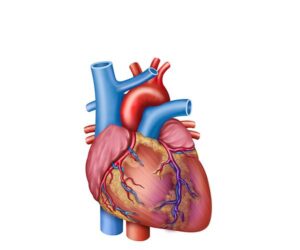
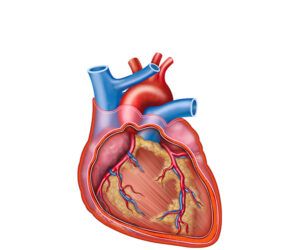
The heart attack
24,50 € Add to basketThe heart attack has an altered function in myocardial perfusion.
Moreover, under normal conditions, the coronary arteries supply
oxygen-rich blood. Additionally, the heart maintains systemic
circulation. -
The lobular cancer
24,50 € Add to basketLobular cancer. This tumor originates in the breast lobules and
may not form lumps, making detection difficult. Includes forms
in situ and invasive, with a risk of dissemination and the need for
early diagnosis. -
The pericarditis
24,50 € Add to basketThe pericarditis has an altered function in heart protection.
Moreover, under normal conditions, the pericardium reduces
friction during heartbeats. Additionally, it allows proper
cardiac movement. -
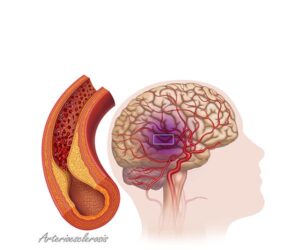
The stroke
24,50 € Add to basketThe stroke. A serious event caused by an obstruction or rupture
of brain vessels that disrupts blood flow, causing neurological
damage. Your immediate attention is key to reducing sequelae
such as loss of mobility, language, or functions. cognitive.