Circulatory
Showing 1–12 of 95 results
-
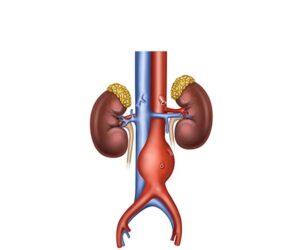
Abdominal aortic aneurysm
24,50 € Add to basketAn aneurysm of the abdominal aorta is an abnormal dilation of
the main artery of the abdomen, which commonly occurs in risk
factors of risks such as smoking, hypertension, and family history.
They are usually asymptomatic until they grow or break


-
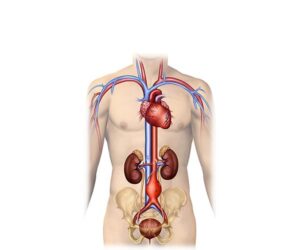
Abdominal aortic aneurysm
24,50 € Add to basketAn abdominal aortic aneurysm is a bulge in the main artery that
supplies blood to the body. If it grows too large, it can rupture and
cause life-threatening internal bleeding, often requiring monitoring
or surgery. -
Acute myocardial infarction
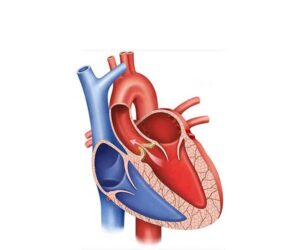
24,50 € Add to basketThe acute myocardial infarction has an altered function in myocardial
perfusion. Moreover, under normal conditions, the coronary arteries
supply oxygenated blood. Additionally, the heart maintains systemic
circulation. -
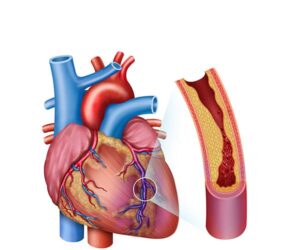
Advanced arteriosclerosis
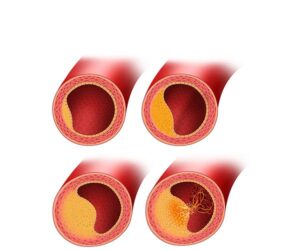
24,50 € Add to basketAdvanced arteriosclerosis is a severe stage with extensive plaque
buildup that significantly reduces blood flow and increases the risk
of heart attack, stroke, and serious cardiovascular complications. -
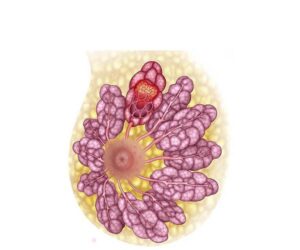
Affected breast lobule
24,50 € Add to basketAffected mammary lobe. It represents glandular tissue with
carcinoma, showing abnormal cell proliferation, alteration
structural and compromise of mammary function, with possible
tumor progression. -
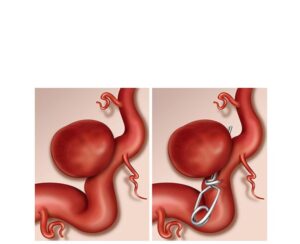
Aneurysm clipping
24,50 € Add to basketAneurysm clipping is a surgery to treat a cerebral aneurysm. It
consists of placing a small titanium clip (clip) in the base of
the weakened blood vessel stops the blood flow towards dilation,
thus preventing a rupture or bleeding. -
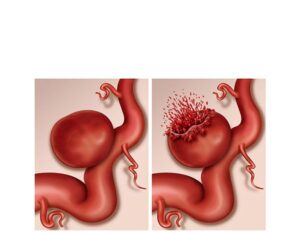
Aneurysm rupture
24,50 € Add to basketAn aneurysm rupture occurs when an artery bursts, causing a
severe brain hemorrhage. It is a critical medical emergency
requiring immediate surgery to stop the bleeding and save the
patient’s life. -
Aortic valve regurgitation
24,50 € Add to basketThe aortic valve regurgitation has an altered function in cardiac
circulation. Moreover, under normal conditions, the aortic valve
prevents blood backflow. Additionally, it ensures efficient flow
into the aorta. -
Aortic valve stenosis
24,50 € Add to basketThe aortic valve stenosis has an altered function in cardiac circulation.
Moreover, under normal conditions, the aortic valve opens fully.
Additionally, it allows efficient blood flow. -
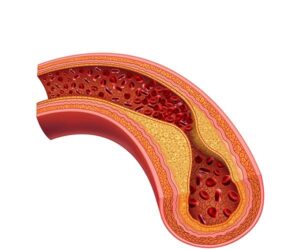
Arteries and atherosclerosis
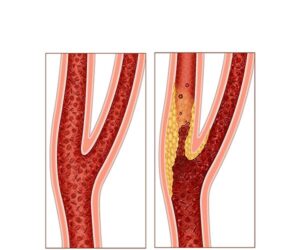
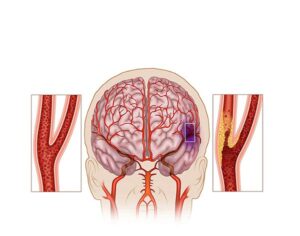
24,50 € Add to basketArteries and atherosclerosis. Comparison between a healthy artery
and another with fatty and cholesterol plaques that reduce blood flow.
increased risk of stroke and cardiovascular disease, highlighting the
importance of prevention. -
Arteriosclerosis
24,50 € Add to basketArteriosclerosis. A disease characterized by hardening and narrowing
of the arteries due to fatty and cholesterol plaques, which reduces blood
flow and increases the risk of heart attack, cerebrovascular accident, and
other cardiovascular complications. -
Atherogenic plaque rupture
24,50 € Add to basketAtherogenic plaque rupture is a critical event where a fatty plaque
breaks, forming a clot that blocks blood flow and increases the risk
of heart attack and stroke, requiring urgent medical care.