Fracture
Showing 13–24 of 47 results
-
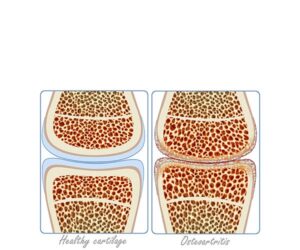
The cartilage in osteoarthritis
24,50 € Add to basketCartilage in osteoarthritis progressively deteriorates, causing
joint pain, stiffness, and inflammation. Moreover, it leads to bone
friction and reduced mobility. Treatment includes physical therapy,
medications, and, in advanced cases, surgery.


-
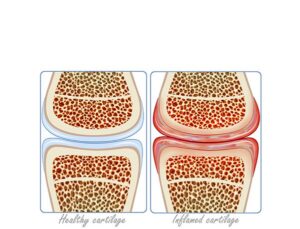
The cartilage inflammation
24,50 € Add to basketCartilage inflammation is a condition affecting joints, causing pain,
swelling, and stiffness. Moreover, it may result from injury, autoimmune
disease, or degeneration. Treatment includes anti-inflammatory drugs,
physical therapy, and, in severe cases, surgery. -
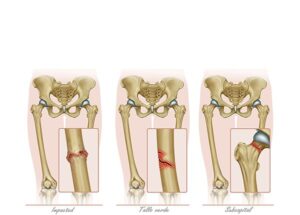
The femoral fractures
24,50 € Add to basketFemoral fractures include impacted, subcapital, and greenstick
types. Moreover, they affect bone structure and may cause pain,
deformity, and functional limitation depending on fracture location
and mechanism. -
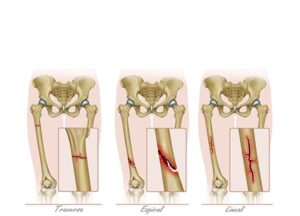
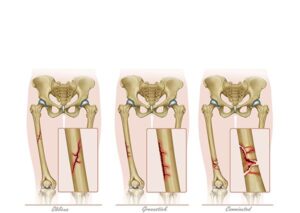
The femur bone fractures
24,50 € Add to basketFemur bone fractures include transverse, spiral, and linear
patterns depending on fracture direction. Moreover, they cause
pain, swelling, and deformity, reflecting different injury mechanisms
and levels of structural damage. -
The femur bone fractures
24,50 € Add to basketFemur bone fractures include oblique, greenstick, and
comminuted patterns. Moreover, they reflect different injury
mechanisms, from partial bending to multiple fragments,
causing pain, swelling, and functional limitation. -
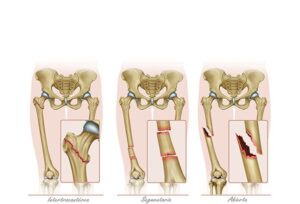
The femur bone injuries
24,50 € Add to basketFemur bone injuries include intertrochanteric, segmental, and
open fractures. Moreover, they affect bone stability and may cause
severe pain, deformity, and functional limitation, reflecting different
levels of structural damage. -
The fibrous joint ankylosis
24,50 € Add to basketFibrous joint ankylosis is a condition where fibrous tissue
limits joint movement, causing pain and stiffness. Moreover, it
reduces mobility and function. Treatment includes physical therapy,
anti-inflammatory medication, and, in advanced cases, surgery. -
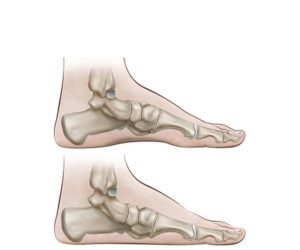
The flat foot
24,50 € Add to basketFlat foot is a condition where the plantar arch is reduced or absent,
causing pain, fatigue, and gait changes. Moreover, it may be congenital
or acquired. Treatment includes orthotics, strengthening exercises, and,
in severe cases, surgery. -
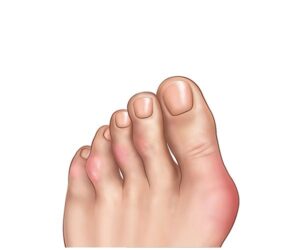
The foot with rheumatoid arthritis
24,50 € Add to basketFoot with rheumatoid arthritis is an autoimmune condition
causing joint inflammation, pain, and deformity. Moreover, it can
impair walking. Treatment includes disease-modifying drugs, physical
therapy, orthotics, and, in severe cases, corrective surgery. -
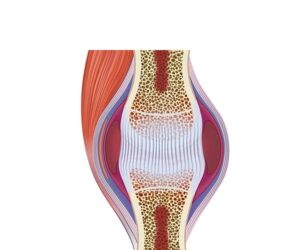
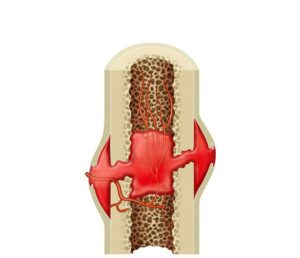
The fracture hematoma
24,50 € Add to basketFracture hematoma is the accumulation of blood at the site
of a bone fracture due to vessel rupture. Moreover, it is part of
the initial inflammatory response, causing swelling, pain, and
playing a role in bone healing. -
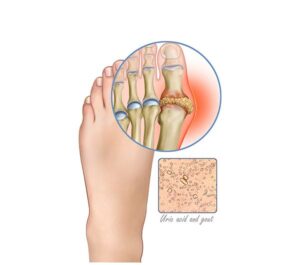
The gout inflammatory arthritis
24,50 € Add to basketGout inflammatory arthritis is a condition caused by uric acid crystal
buildup in joints, leading to severe pain, swelling, and redness.
Moreover, treatment includes medication, uric acid control, and
lifestyle changes to prevent recurrent attacks. -
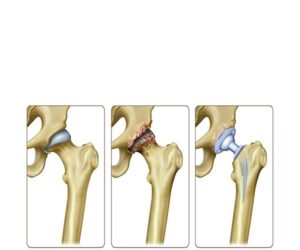
The hip and femur treatment
24,50 € Add to basketHip and femur treatment includes prosthetic surgery to replace
damaged joint surfaces. Moreover, it relieves pain and improves
mobility in osteoarthritis. Treatment choice depends on age, health
status, and severity of joint damage.