Fracture
Showing 1–12 of 47 results
-
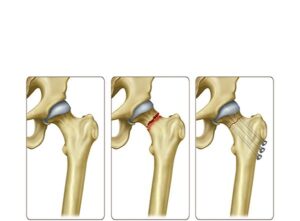
Femoral neck fracture treatment
24,50 € Add to basketFemoral neck fracture treatment involves internal fixation using
metal screws or nails to stabilize the bone and promote healing.
Moreover, it restores hip function. Treatment choice depends on
fracture severity and patient condition.


-
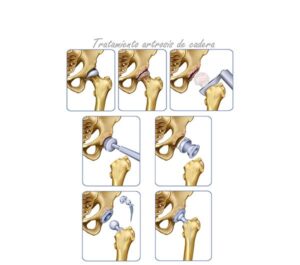
Hip osteoarthritis treatment
24,50 € Add to basketHip osteoarthritis and femoral neck treatment includes
physical therapy, medication, and prosthetic surgery. Moreover,
it aims to relieve pain and improve mobility. Treatment choice
depends on age, health status, and severity of joint damage. -
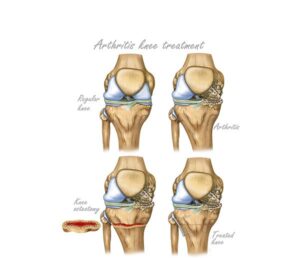
Knee osteotomy treatment
24,50 € Add to basketKnee osteotomy treatment is a surgical procedure that corrects
bone alignment to relieve pain and improve joint function. Moreover,
it redistributes load in early osteoarthritis and may delay the need for
knee replacement surgery. -
Rheumatoid arthritis
24,50 € Add to basketRheumatoid arthritis is an autoimmune disease causing chronic
inflammation and cartilage destruction. Moreover, it leads to pain,
stiffness, and joint deformity. Treatment includes disease-modifying
drugs, anti-inflammatory therapy, and physical rehabilitation. -
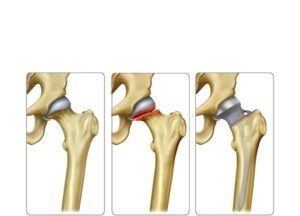
Subcapital femoral prosthesis
24,50 € Add to basketSubcapital femoral prosthesis is a surgical treatment for
severe fractures near the femoral head. Moreover, it replaces
damaged structures, relieving pain and restoring mobility.
Indication depends on patient age, health, and fracture severity. -
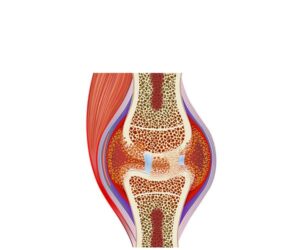
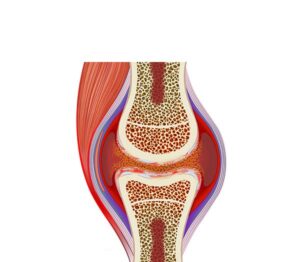
Synovial inflammation arthritis
24,50 € Add to basketSynovial inflammation arthritis. This illustration shows the process
where the membrane lining the joints presents evident swelling.
The synovial tissue thickens due to rheumatoid arthritis or physical
wear, producing chronic pain symptoms and a significant loss of
joint mobility. -
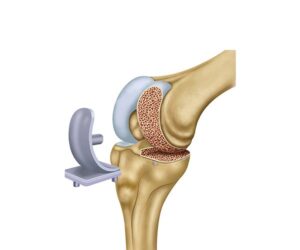
template (Copy)
24,50 € Add to basketPartial knee replacement is a surgical procedure that replaces
only the damaged part of the knee joint. Moreover, it relieves pain
and improves mobility in localized osteoarthritis. Selection depends
on age, health status, and extent of joint damage. -
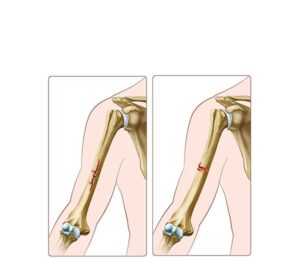
template (Copy)
24,50 € Add to basketIncomplete and linear fracture includes partial or straight
bone breaks, commonly seen in trauma and pediatric patients.
Moreover, greenstick fractures occur due to bone flexibility and
may present with pain, swelling, and limited movement. -
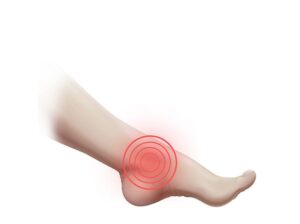
The ankle pain
24,50 € Add to basketAnkle pain is a common condition caused by sprains, fractures,
or joint inflammation. Moreover, it can lead to swelling and difficulty
walking. Treatment includes rest, ice, physical therapy, and, in severe
cases, surgical intervention. -
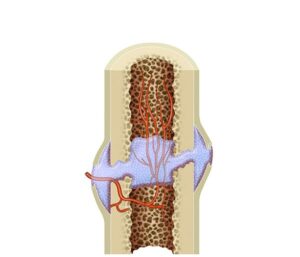
The bone fracture and healing
24,50 € Add to basketBone fracture and healing describe the repair process after
a bone break, including hematoma formation, callus development,
and remodeling. Moreover, it involves biological mechanisms that
restore bone structure and function. -
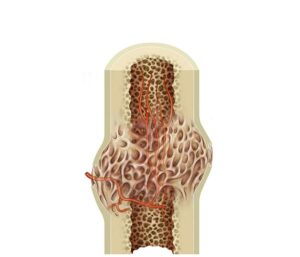
The bone fracture ossification
24,50 € Add to basketBone fracture ossification is the process of new bone formation after
a fracture. Moreover, it involves osteoblast activity and callus formation,
leading to bone consolidation and progressive strengthening. -
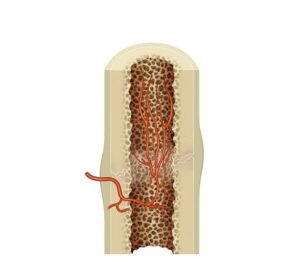
The bone fracture remodeling
24,50 € Add to basketBone fracture remodeling is the final healing stage, where bone
is reorganized and strengthened. Moreover, osteoclasts and
osteoblasts reshape the callus, restoring structure and improving
mechanical resistance.