Fracture
Showing 37–47 of 47 results
-
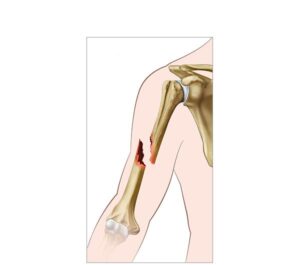
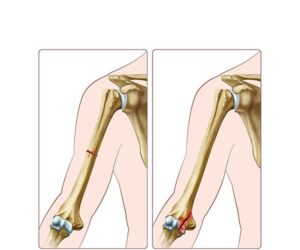
The open humerus fracture
24,50 € Add to basketOpen humerus fracture is a severe injury where the bone
breaks through the skin, increasing infection risk. Moreover,
it causes pain, bleeding, and deformity. Treatment includes
cleaning, antibiotics, immobilization, and often surgery.


-
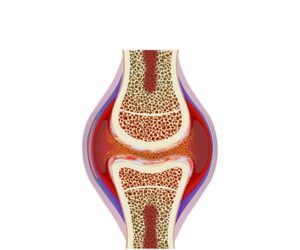
The osteoarthritis cartilage wear
24,50 € Add to basketOsteoarthritis is a degenerative joint condition that causes cartilage
loss, pain, and stiffness. Moreover, it can reduce mobility. Treatment
includes physical therapy, medications, and, in advanced cases, surgical
procedures. -
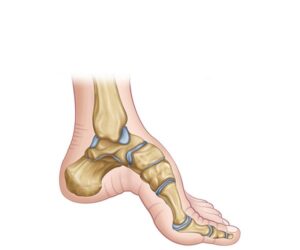
The pes cavus
24,50 € Add to basketPes cavus is a condition characterized by a high plantar arch,
leading to uneven weight distribution. Moreover, it may cause
pain, instability, and increased pressure on specific areas of the
foot, affecting gait. -
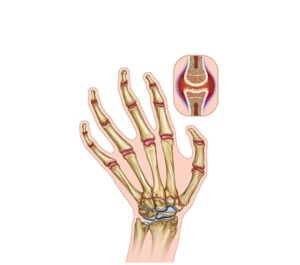
The rheumatoid arthritis hand
24,50 € Add to basketRheumatoid arthritis of the hand is an autoimmune condition
affecting finger joints, causing pain, swelling, and deformity. Moreover,
it can limit mobility. Treatment includes disease-modifying drugs, anti-
inflammatory therapy and physical rehabilitation. -
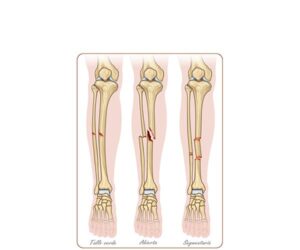
The segmental and open fractures
24,50 € Add to basketSegmental and open fractures are complex bone injuries
involving multiple fragments or bone exposure. Moreover, they
may include incomplete fractures such as greenstick type,
reflecting different levels of structural damage and trauma severity. -
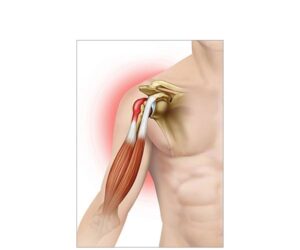
The shoulder tendinitis
24,50 € Add to basketShoulder tendinitis is inflammation of the rotator cuff tendons
caused by overuse, injury, or aging. Moreover, it leads to pain,
stiffness, and reduced mobility, affecting shoulder function and
daily activities. -
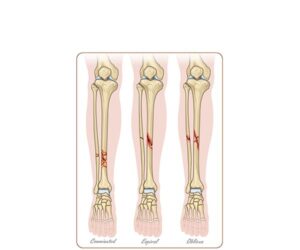
The tibia bone fractures
24,50 € Add to basketTibia bone fractures include comminuted, spiral, and oblique
patterns depending on fracture type. Moreover, they cause pain,
swelling, and deformity, reflecting different injury mechanisms and
levels of bone damage. -
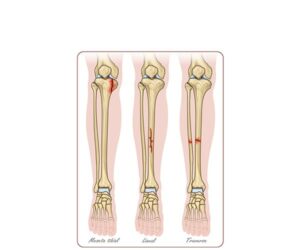
The tibial bone fractures are
24,50 € Add to basketTibial bone fractures include linear and transverse breaks, often
affecting the tibial plateau. Moreover, they can compromise knee
stability, causing pain, swelling, and limited mobility depending on
the fracture pattern. -
The transverse and distal fracture
24,50 € Add to basketTransverse and distal fractures involve horizontal bone breaks
or injuries at the lower end of the humerus. Moreover, it may affect
the elbow joint, causing pain, swelling, and functional limitation.
Clinical and imaging evaluations are essential. -
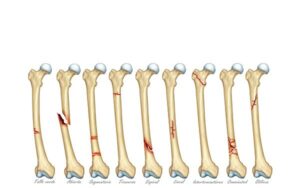
The types of bone fractures
24,50 € Add to basketTypes of bone fractures include open, closed, transverse,
oblique, and comminuted patterns. Moreover, these classifications
reflect injury mechanisms and structural damage, helping to
understand fracture characteristics and severity. -
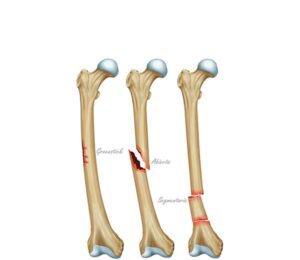
The types of bone fractures
24,50 € Add to basketTypes of bone fractures include greenstick, open, and segmental
patterns. Moreover, they reflect different injury mechanisms and
levels of structural damage, affecting both bone integrity and
surrounding tissues.