Heart
Showing 13–24 of 108 results
-
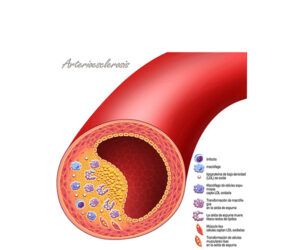
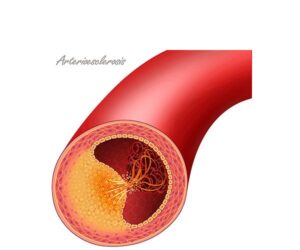
Arteriosclerosis
24,50 € Add to basketArteriosclerosis. A disease characterized by hardening and narrowing
of the arteries due to fatty and cholesterol plaques, which reduces blood
flow and increases the risk of heart attack, cerebrovascular accident, and
other cardiovascular complications.


-
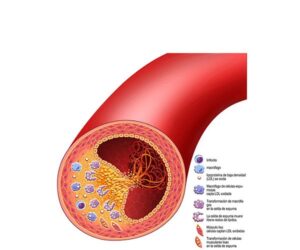
Atherogenic plaque rupture
24,50 € Add to basketAtherogenic plaque rupture is a critical event where a fatty plaque
breaks, forming a clot that blocks blood flow and increases the risk
of heart attack and stroke, requiring urgent medical care. -
Atheroma plaque rupture
24,50 € Add to basketAtheroma plaque rupture is a critical event where a cholesterol
plaque breaks, forming a clot that blocks blood flow and increases
the risk of heart attack and stroke, requiring urgent medical care. -
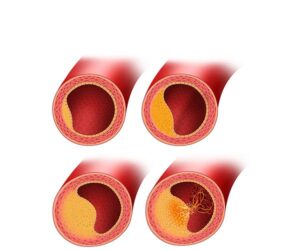
Atherosclerosis analysis
24,50 € Add to basketAnalysis of atherosclerosis. Evaluation of the accumulation of
plaques in arteries formed by lipids and inflammatory cells, which
reduce blood flow and increase the risk of cardiovascular diseases,
being key for diagnosis and prevention. -
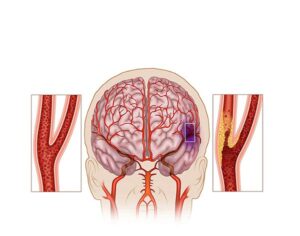
Atherosclerotic plaque and atherothrombosis
24,50 € Add to basketAtherosclerotic plaque and atherothrombosis. Rupture of a plaque
cholesterol in the artery that generates a clot, blocking the flow
blood flow and increasing the risk of having a heart attack and stroke
cerebrovascular, requiring urgent attention. -
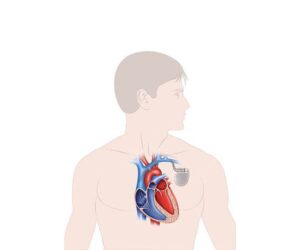
Bicameral pacemaker
24,50 € Add to basketA bicameral pacemaker uses two wires to coordinate the atrium
and the ventricle. By stimulating both chambers in sequence, it
mimics and improves the natural rhythm of the heart and optimizes
blood pumping. It is more advanced than a camera. -
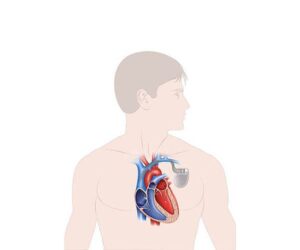
Biventricular pacemakers
24,50 € Add to basketBiventricular pacemakers serve a general function in the
improvement of cardiac synchronization. In addition, it is a
device implantable electronics designed to treat insufficiency,
advanced cardiac arrest, and uncoordinated heartbeat -
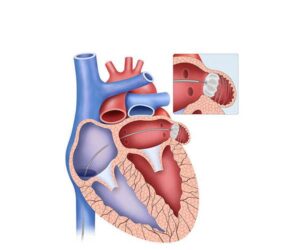
Cardiac atrial appendage
24,50 € Add to basketThe cardiac atrial appendage has a general function related to
atrial dynamics. Moreover, under normal conditions, it may
contribute to left atrial contraction. Additionally, it may act as
a temporary blood reservoir. -
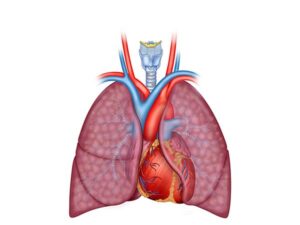
Cardiopulmonary anatomy
24,50 € Add to basketCardiopulmonary anatomy describes how the heart,
lungs, and blood vessels work together to circulate
oxygen, remove carbon dioxide, and support cellular
metabolism and physiological balance. -
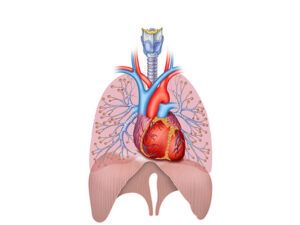
Cardiopulmonary System
24,50 € Add to basketThe cardiopulmonary system integrates the heart and
lungs to circulate oxygen, remove carbon dioxide, and
deliver nutrients throughout the body, supporting cellular
function and maintaining physiological balance. -
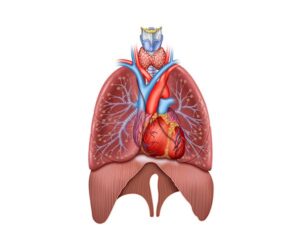
Cardiopulmonary system anatomy
24,50 € Add to basketCardiopulmonary system anatomy describes how the heart,
lungs, and blood vessels work together to transport oxygen,
remove carbon dioxide, and support circulation and
respiration. -
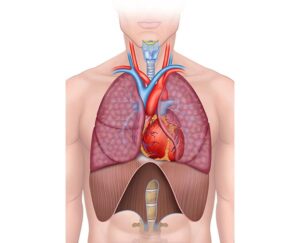
Cardiorespiratory anatomy
24,50 € Add to basketCardiorespiratory anatomy describes how the heart and
lungs work together to circulate oxygen, remove carbon
dioxide, and support cellular metabolism and body balance.