Heart
Showing 73–84 of 108 results
-
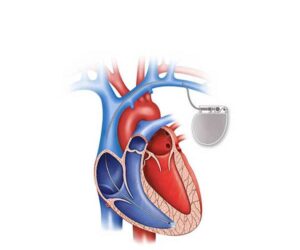
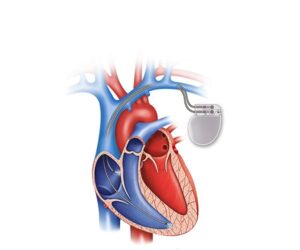
Single-chamber pacemaker
24,50 € Add to basketA single-chamber pacemaker uses one lead connected to either
the atrium or the ventricle (usually the right) to regulate the heart
rhythm. It senses electrical activity and sends pulses if the heart
beats too slowly. It is simple and effective.


-
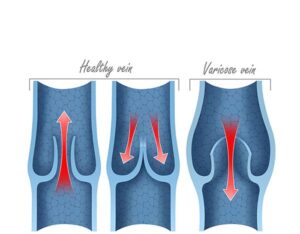
States of venous valves
24,50 € Add to basketVenous valve states. Comparison between the normal valve
and varicose veins, where the valve failure causes blood reflux,
blood accumulation, venous dilation, and symptoms such as
pain, swelling, and heaviness. -
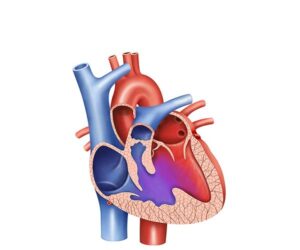
Tetralogy of Fallot
24,50 € Add to basketThe Tetralogy of Fallot has an altered function in blood oxygenation.
Moreover, under normal conditions, the heart separates oxygenated
and deoxygenated blood. Additionally, it allows efficient circulation. -
The aortic aneurysm
24,50 € Add to basketThe aortic aneurysm has an altered function in blood circulation.
Moreover, under normal conditions, the aorta maintains elasticity
and strength. Additionally, it allows continuous blood flow. -
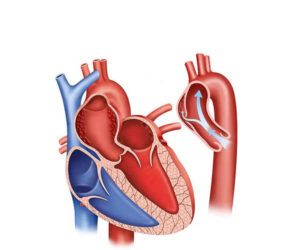
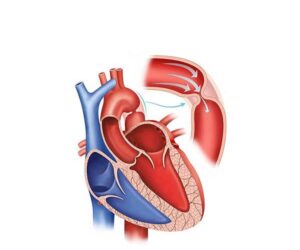
The aortic coarctation
24,50 € Add to basketThe aortic coarctation has an altered function in systemic
circulation. Moreover, under normal conditions, the aorta
allows continuous blood flow. Additionally, it distributes
oxygen and nutrients to tissues. -
The bicameral pacemaker
24,50 € Add to basketThe bicameral pacemaker serves a general function in the
regulation of the heart rhythm. In addition, under normal
conditions, the heart’s electrical system coordinates the
contractions. It also allows for efficient synchronization
between the cameras. -
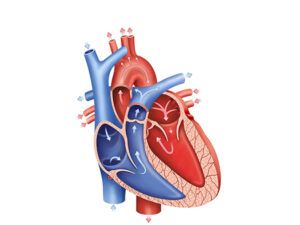
The cardiac blood circulation
24,50 € Add to basketCardiac blood circulation describes how blood flows from
the heart to the lungs and back to the body. This process
delivers oxygen and nutrients to tissues while supporting
normal cellular function. -
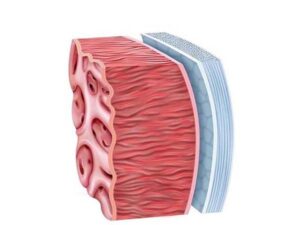
The cardiac layers
24,50 € Add to basketCardiac layers include the pericardium, myocardium,
and endocardium. These structures protect the heart,
generate contractions, and line the heart chambers to
support efficient blood circulation. -
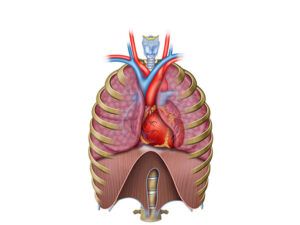
The cardiorespiratory system
24,50 € Add to basketThe cardiorespiratory system combines the heart and
lung function to circulate oxygen, remove carbon dioxide,
and support cellular metabolism and overall body balance. -
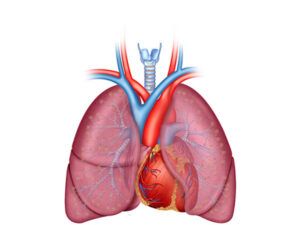
The cardiorespiratory system
24,50 € Add to basketThe cardiorespiratory system combines the heart and lung
function to circulate oxygen, remove carbon dioxide,
and maintain physiological balance essential for cellular
activity. -
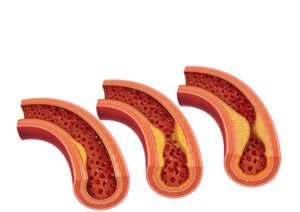
The cholesterol phases
24,50 € Add to basketCholesterol phases illustrate progressive lipid buildup in arteries,
leading to plaque formation, reduced blood flow, and increased
cardiovascular risk, often without symptoms in early stages. -
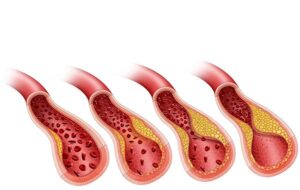
The cholesterol stages
24,50 € Add to basketCholesterol stages illustrate progressive lipid buildup in arteries,
leading to plaque formation, reduced blood flow, and increased
cardiovascular risk, often without symptoms in early stages.