Heart
Showing 61–72 of 108 results
-
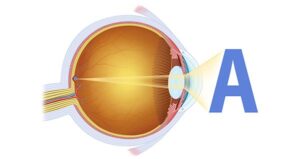
Normal eye focus
24,50 € Add to basketNormal eye focus. This illustration presents the path of light
through the cornea and lens to the retina. The graphic shows the
transformation of light signals into electrical impulses for brain
processing, ensuring a sharp and detailed vision of the
surroundings.


-
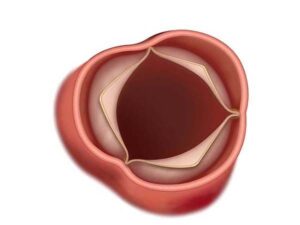
Open aortic valve
24,50 € Add to basketAn open aortic valve allows oxygenated blood to flow
from the left ventricle into the aorta during systole.
This process ensures proper blood circulation and
oxygen delivery to body tissues. -
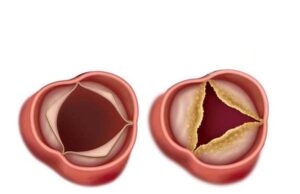
Open aortic valve stenosis
24,50 € Add to basketThe open aortic valve stenosis has an altered function in
systemic circulation. Moreover, under normal conditions,
the aortic valve opens fully. Additionally, it allows efficient
blood passage. -
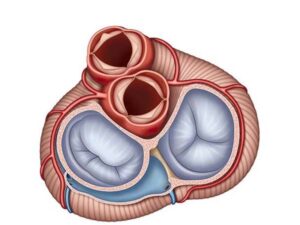
Open heart valves
24,50 € Add to basketEs un hecho establecido hace demasiado tiempo que
un lector se distraerá con el contenido del texto de un
sitio mientras que mira su diseño. El punto de usar
Lorem Ipsum -
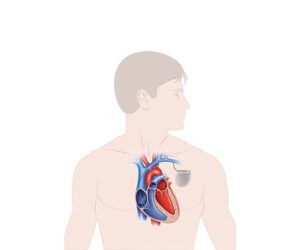
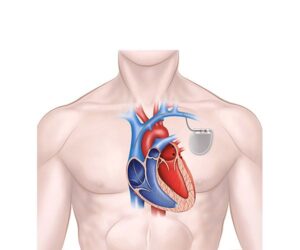
Pacemaker individual camera
24,50 € Add to basketPacemaker individual camera. This device connects an electrode
to the heart to monitor and regulate the rhythm of the heart.
Allows the camera to work in sync, improving cardiac efficiency
in the patient. -
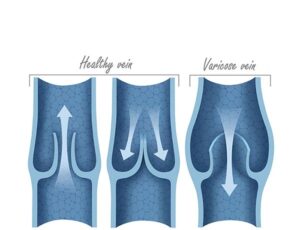
Phases of venous valves
24,50 € Add to basketPhases of venous valves. Comparison between the normal valve
and varicose veins, where the valve failure causes blood reflux,
blood accumulation, venous dilation, and symptoms such as pain,
swelling and heaviness. -
Phases of venous valves
24,50 € Add to basketPhases of venous valves in their normal and varicose state.
This technical description details the functioning of valves in
healthy veins versus damaged ones. The text explains the
process of blood reflux, blood accumulation, and the venous
dilation that characterizes varicose veins. -
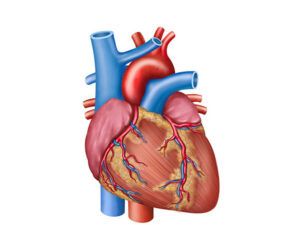
Physiology of the heart
24,50 € Add to basketThe physiology of the heart explains how blood circulates
through the body. Deoxygenated blood travels to the lungs
for oxygenation, then oxygenated blood returns to the heart
and is pumped through the aorta to supply tissues. -
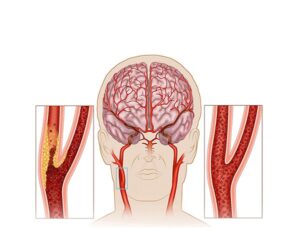
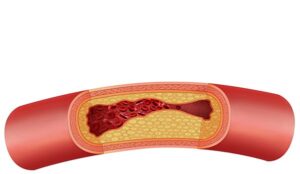
Representation of arteriosclerosis
24,50 € Add to basketRepresentation of arteriosclerosis. Illustration showing the hardening
and narrowing of the arteries due to the accumulation of fat and
cholesterol, which reduces blood flow and increases the risk of heart
attack, stroke, and other cardiovascular diseases. -
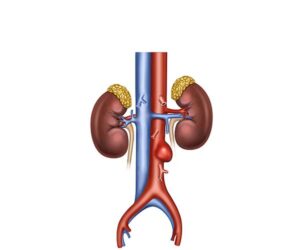
Saccular aortic aneurysm
24,50 € Add to basketSaccular abdominal aortic aneurysm is an asymmetrical dilation
and spherical on one side of the aortic wall, connected by a narrow
neck, often associated with infections or trauma. It is a serious
condition that, like fusiform aneurysms, can be asymptomatic
until it grows or breaks down. -
Severe hypercholesterolemia
24,50 € Add to basketSevere hypercholesterolemia involves very high cholesterol and
triglyceride levels, leading to plaque buildup, reduced blood flow,
and increased risk of heart attack and stroke, often without early
symptoms. -
Single chamber pacemaker
24,50 € Add to basketThe single-chamber pacemaker has a general function in
regulating the heart rhythm. Moreover, under normal conditions,
the heart’s electrical system coordinates beats. Additionally, it
allows an adequate heart rate.