Muscular
Showing 1–12 of 26 results
-
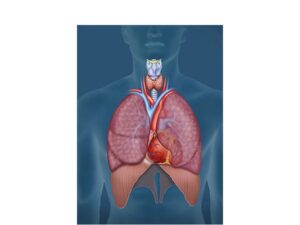
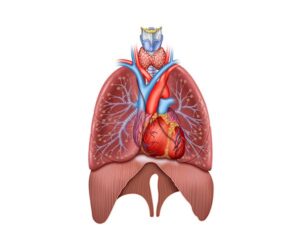
A cardiopulmonary anatomical illustration
24,50 € Add to basketA cardiopulmonary anatomical illustration shows how
the heart and lungs work together to circulate oxygenated
blood, remove carbon dioxide, and maintain essential
body functions.


-
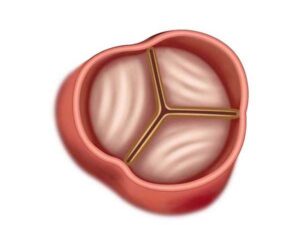
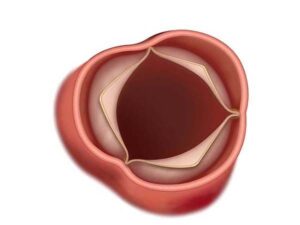
A closed aortic valve
24,50 € Add to basketA closed aortic valve prevents blood from flowing
backward from the aorta into the left ventricle during
diastole, ensuring proper one-way blood circulation
through the cardiovascular system. -
Anatomy of the Pericardium
24,50 € Add to basketThe anatomy of the pericardium shows the layers that
surround the heart. It includes the fibrous pericardium
and the serous pericardium, divided into parietal and
visceral layers that protect the heart and allow smooth
cardiac movement. -
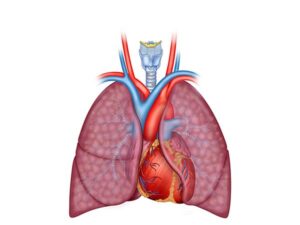
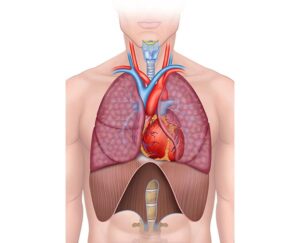
Cardiopulmonary anatomy
24,50 € Add to basketCardiopulmonary anatomy describes how the heart,
lungs, and blood vessels work together to circulate
oxygen, remove carbon dioxide, and support cellular
metabolism and physiological balance. -
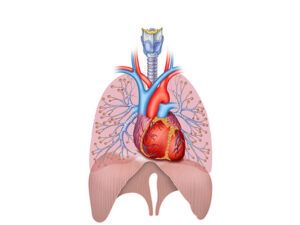
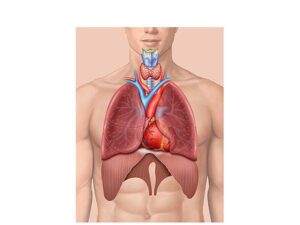
Cardiopulmonary System
24,50 € Add to basketThe cardiopulmonary system integrates the heart and
lungs to circulate oxygen, remove carbon dioxide, and
deliver nutrients throughout the body, supporting cellular
function and maintaining physiological balance. -
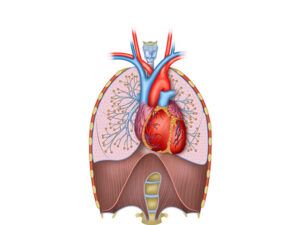
Cardiopulmonary system anatomy
24,50 € Add to basketCardiopulmonary system anatomy describes how the heart,
lungs, and blood vessels work together to transport oxygen,
remove carbon dioxide, and support circulation and
respiration. -
Cardiorespiratory anatomy
24,50 € Add to basketCardiorespiratory anatomy describes how the heart and
lungs work together to circulate oxygen, remove carbon
dioxide, and support cellular metabolism and body balance. -
Cardiorespiratory representation
24,50 € Add to basketA cardiorespiratory representation shows how the heart
and lungs interact to circulate oxygenated blood, remove
carbon dioxide, and support essential body functions. -
Cardiorespiratory system
24,50 € Add to basketThe cardiorespiratory system combines the heart and
lungs to circulate oxygen, remove carbon dioxide, and
maintain stable oxygen levels essential for cellular activity. -
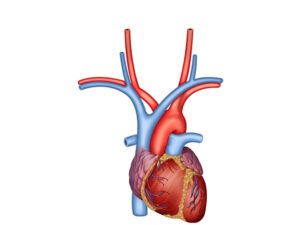
Cardiovascular system
24,50 € Add to basketThe cardiovascular system includes the heart and blood
vessels. It circulates blood throughout the body, transporting
oxygen, nutrients, hormones, and waste products while
supporting cellular function and maintaining internal balance. -
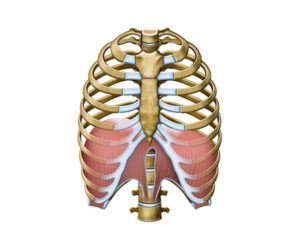
Diaphragm and ribs
24,50 € Add to basketThe diaphragm and ribs work together during breathing.
The diaphragm controls thoracic volume, while the ribs
and intercostal muscles allow the chest to expand and
contract during inhalation and exhalation. -
Open aortic valve
24,50 € Add to basketAn open aortic valve allows oxygenated blood to flow
from the left ventricle into the aorta during systole.
This process ensures proper blood circulation and
oxygen delivery to body tissues.